

Xeriscaping in Denver: The Complete 2026 Guide
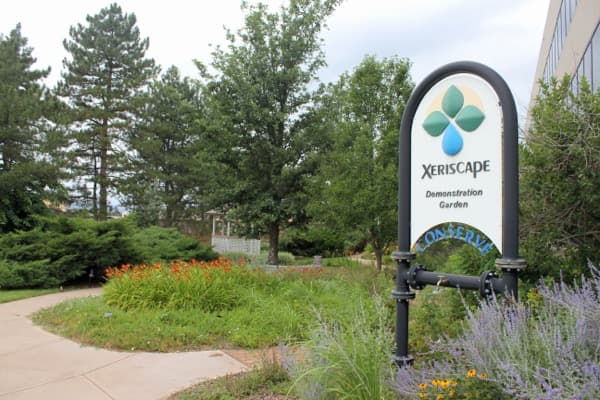
A Kentucky bluegrass lawn in Denver only stays green because somebody keeps pouring water on it. Xeriscaping is the alternative: a yard designed for the rain Denver actually gets, planted with things that evolved here, and watered by drip instead of spray. Done right, it isn't rocks and cactus. It's a layered, living yard that needs a fraction of the water and none of the mowing.
This guide covers what xeriscaping is, why it fits Denver, the seven principles, the plants that work, what it costs, and how a project runs. If you want us to build one, start with our xeriscape installation service.
What xeriscaping is
"Xeriscape" comes from the Greek xeros, dry, and it's a Denver word. Denver Water coined it in 1981 to describe landscaping that conserves water. Denver Water now promotes ColoradoScape designs, and we explain the difference here.
The idea is simple: design the yard to work with the climate instead of against it.
Why it fits Denver
The climate. Denver averages about 14 inches of precipitation a year. Add low humidity, intense sun at 5,280 feet, heavy clay, wind, and temperature swings of 30 degrees or more in a day. Bluegrass hates all of it. Native plants were built for it.
The cold. Denver is USDA Hardiness Zone 6a on the 2023 USDA map, with winter lows of -10°F to -5°F. Some warm urban pockets are 6b, and colder spots toward the foothills are 5b. That rules out a lot of desert plants that are "drought-tolerant" but can't take a January night.
The water. Outdoor watering can be as much as 60% of household water use in dry regions, and up to half of it is lost to wind, evaporation, and runoff. Xeriscaping can cut outdoor irrigation by up to 60%, according to Resource Central.
The rules. Denver Water has been in Stage 1 drought since March 25, 2026, and from October 1, 2026, watering grass and running spray irrigation are prohibited. Trees, shrubs, and plants can still be watered with drip or a hand-held hose with a shutoff nozzle (Denver Water). A drip-watered xeriscape stays legal to water. A lawn doesn't. For the history of how we got here, read the history of the American lawn.
The seven principles
Denver Water and Colorado State University both teach the same seven:
- Plan and design. Map sun, shade, slope, and how you use the yard before picking a single plant.
- Improve the soil. Denver clay is dense. Loosen it and amend planting areas so roots can go deep.
- Irrigate efficiently. Drip to the root zone instead of spray into the wind. See drip vs. sprinkler irrigation.
- Pick the right plants. Native and adapted plants, grouped by how much water they need.
- Mulch. Wood or rock mulch keeps the soil cool, holds moisture, and blocks weeds.
- Keep turf practical. If you keep grass, keep only the part you actually use.
- Maintain it. Seasonal cutbacks, weeding, and irrigation checks. Less work, not no work.
Plants that thrive in Denver
Start with plants that evolved on the Front Range:
- Blue grama — Colorado's state grass. Low, soft, and a good lawn replacement.
- Blanket flower — red-and-yellow blooms from late spring into fall.
- Rabbitbrush — a shrub that turns gold in September, when most plants are fading.
- Yarrow — flat flower heads in white, yellow, pink, and red all summer.
- Gambel oak — a foothills native for screening and red-orange fall color.
Our top 10 native plants for Denver goes deeper, with shrubs, grasses, and groundcovers matched to sun, shade, and clay. Plant Select is another good source for plants proven in the region.
How to design a Denver xeriscape
1. Read the site. South- and west-facing areas bake. North sides stay cool. Note full sun (6+ hours), part sun (3–6), and shade, plus low spots where water collects.
2. Zone by water need. Put the thirstier plants near the house or patio, low-water shrubs and grasses in the middle, and the toughest natives at the dry edges. This is called hydrozoning, and it's what lets a drip system do its job.
3. Set the hardscape first. Paths, patios, boulders, and bed edges give the yard its bones. Plants fill in around them.
4. Plant for mature size. Space plants for where they'll be in three to five years and fill the gaps with mulch, not more plants. New plantings need regular water for the first one to two seasons. After that, most need very little.
Our xeriscape design guide walks through the full process, and the Design Center shows eight finished looks.
Mistakes to avoid
- Assuming xeriscape means no water. New plants need water to establish.
- Wall-to-wall rock. Rock gets hot, reflects heat onto plants and the house, and still grows weeds. Use it as a material, not the whole plan.
- Desert plants that can't handle the cold. Stick to plants proven at Denver's elevation.
- Skipping soil prep. It's the most common reason a new xeriscape struggles.
- Planting too dense. It looks full in year one and overcrowded by year four.
More on each in the seven mistakes we see most.
What it costs
Most full xeriscape installs we build run $6–10 per square foot. Budget options start around $4, and premium boulder-heavy designs run $8–12. Patios start at $8 per square foot and artificial turf at $10. Design is $500, credited back on installs over $5,000. The full breakdown, with yard-size examples, is in our xeriscape cost guide.
Rebates change every year. Denver Water's 2026 turf-removal discounts are fully allocated, and Aurora Water's program pays per square foot with pre-approval. Our rebate guide has the current details.
Does your HOA have a say?
Some, but not a veto. Colorado law, C.R.S. 38-33.3-106.5, bars HOAs from prohibiting xeriscape or drought-tolerant landscaping on your lot. HOAs can still set reasonable design guidelines for plant types, placement, and hardscape. See our HOA landscaping guide.
Is it right for you?
Xeriscaping makes sense if you're staying a few years or more, you want lower water bills and less yard work, and you'd rather have a yard that looks good in August than one that needs rescuing. If you're selling soon, start with the front yard. If your lot is deep, wet shade, the plant list changes, but the approach still works.
You don't have to lose all the grass. Plenty of people keep a small patch for kids or dogs and convert the rest.
Common questions
Will it look boring? Not if it's designed well. Layer spring, summer, and fall bloomers with grasses and evergreens and there's something going on every month. Here's how to get color.
How long until it looks finished? Two to three growing seasons for plants to fill in. It gets better every year.
Can I do it myself? Small areas, yes. Soil prep, drip irrigation, and moving tons of material are where most DIY projects stall.
What does it look like in real life? Browse our projects, read about the 10,000 sq ft Congress Park native garden, or watch our segment on FOX31. You can also see it spreading across the city in Denver is starting to look like Denver again.
Ready to start?
We build xeriscapes across Denver and the surrounding cities. Request an estimate and we'll walk your yard with you.