

Drip vs. Sprinkler Irrigation: What’s Best for Your Denver Xeriscape?
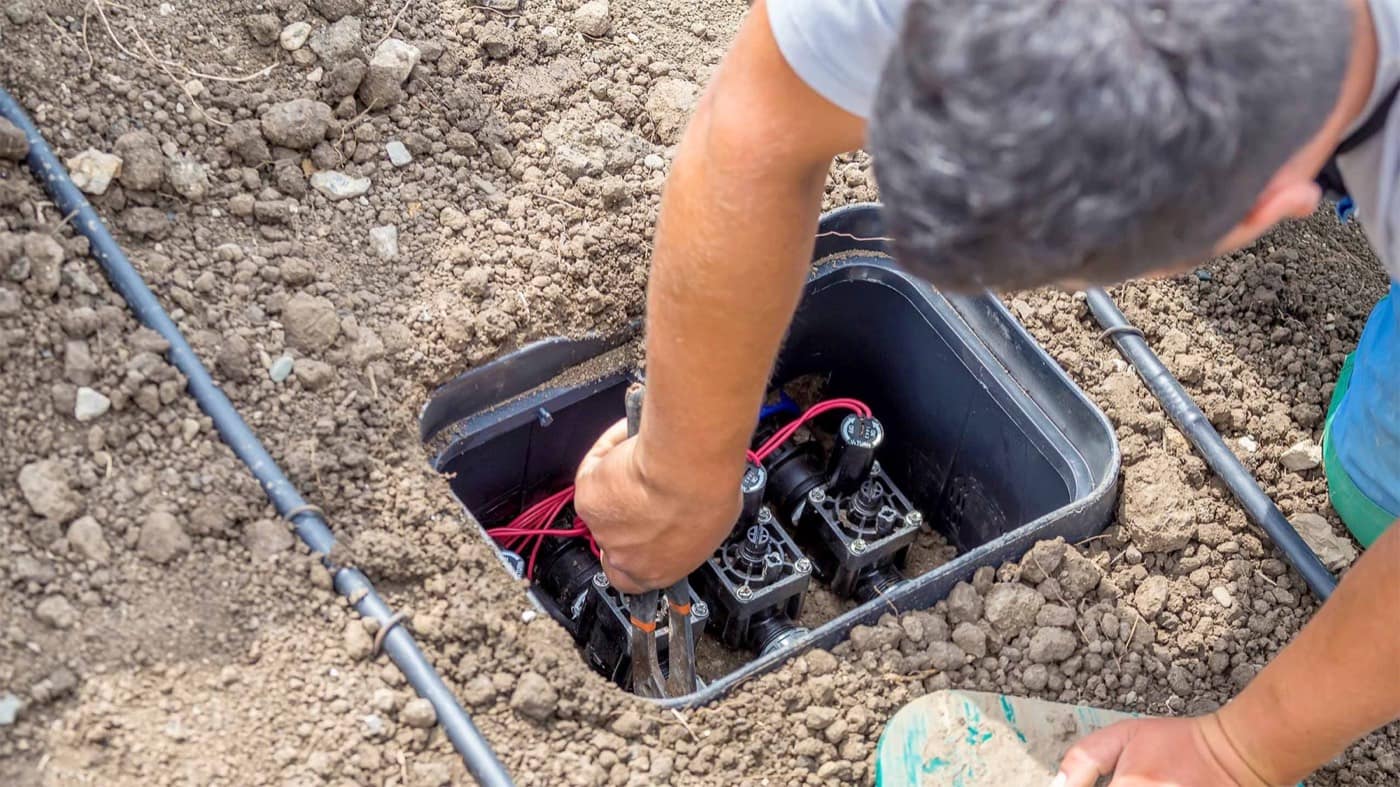
Watering a landscape seems simple — but in a dry climate like Denver's, the irrigation system you choose decides whether plants thrive or water gets wasted. The two common choices are drip irrigation and traditional spray sprinklers, and each has its place. (If you already know you want drip, see our drip irrigation service.)
This guide covers how each system works, how they compare on efficiency and plant fit, and which makes sense for a Denver landscape in USDA Zone 6a.
Why Irrigation Matters for Xeriscaping in Denver
Denver averages roughly 14–15 inches of precipitation a year, and summer heat plus clay-heavy soils make it tough for new plantings to establish without supplemental water.
According to the EPA WaterSense program, outdoor water use accounts for more than 30% of household water use on average — and as much as 60% in arid regions. As much as 50% of the water used outdoors is lost to wind, evaporation, and runoff from inefficient irrigation.
Efficient irrigation is one of the seven core principles of xeriscaping, and it's often the most overlooked. (Not sure what the others are? Start with our introduction to xeriscaping in Denver.)
Denver's 2026 Rules Favor Drip
As of October 1, 2026, spray irrigation and lawn watering are banned in Denver Water's service area — and the ban carries into spring 2027 until Denver Water's board lifts it. Drip and other low-volume irrigation for trees, shrubs, and other plants is still allowed. We covered the details in Denver's lawn watering ban, explained. Source: Denver Water drought page.
How Sprinkler Systems Work
Sprinklers spray water into the air to mimic rainfall. They cover large turf areas well, but they're imprecise for garden beds and native plantings.
Sprinkler Pros
- Quick to cover large areas
- Familiar and easy to install for lawns
- Works well with grass or high-water-use plants
Sprinkler Cons
- More water lost to evaporation, wind drift, and runoff
- Water is less targeted — can lead to runoff or disease
- Less effective for deep-rooted xeric plants
- Often a poor fit for mulch or rock beds
- Banned in Denver Water's service area from October 1, 2026, under the current drought rules
Sprinklers aren't recommended for most xeriscapes unless you're keeping a small patch of low-water turf (like buffalograss or blue grama).
What Is Drip Irrigation?
Drip systems deliver water slowly and directly to the base of each plant through tubing, emitters, and a timer. Think of it as a slow, steady IV for your plants.
Drip Pros
- Water efficiency: minimizes evaporation and runoff
- Excellent for mulched or rocked beds
- Works well with native and drought-tolerant plants
- Puts water at the root zone instead of in the air
- Still allowed under Denver Water's current drought rules
Drip Cons
- More upfront install time per zone
- Needs occasional maintenance (flushing lines, replacing emitters)
- Not ideal for turf or large lawns
Drip irrigation is the preferred method for xeriscaping, and Colorado State University Extension's guide to drip irrigation for home gardens covers how to set one up.
Cost, Controllers, and Rebates
Cost depends on slope, plant types, number of zones, and the controller. A smart controller (like a Rachio or Rain Bird) can automate and fine-tune either system — the EPA's guide to weather-based irrigation controllers explains how they work. For what a full xeriscape with drip costs, see our xeriscaping cost guide.
Denver Water runs outdoor rebates for water-efficient equipment such as high-efficiency sprinkler nozzles — check the page for what's currently offered. Lawn-conversion programs are separate; see our Denver xeriscape rebates guide.
Which Is Best for Your Xeriscape?
If your landscape includes:
- Native perennials, shrubs, or trees
- Mulch or decorative gravel
- Garden beds instead of turf
…then drip irrigation is the clear winner.
It puts water where it's needed — at the root zone — with minimal waste. It also supports hydrozoning (grouping plants by water needs), a key principle of xeriscaping.
Not sure what to plant? See our Top 10 Native Plants for a Thriving Denver Xeriscape.
What We Recommend at Xeris Landscaping
We design our xeriscapes around drip irrigation, smart controllers, and plant-specific emitter spacing. For clients who still want a small lawn or turf patch, we set up dedicated zones for spray heads and drip tubing — and we'll tell you which rebate programs apply to your address.
Ready to Upgrade Your Irrigation?
Xeris designs drip irrigation systems for xeriscape landscapes across the Denver metro — right-sized for each plant zone, set on a smart schedule, and built to last through Colorado's seasons. Request an estimate.