

Xeriscape Design in Denver: A Step-by-Step Process Guide
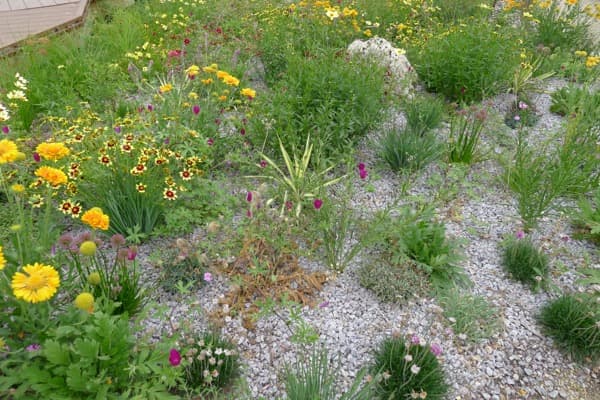
Most homeowners come to xeriscape design the same way: they're done with the lawn, they've seen a neighbor's yard that looks great, and they want that — but they have no idea how to get from where they are to there. What's the process? What decisions do you actually make? What does a designer do that you couldn't do yourself?
This guide walks through the full xeriscape design process in Denver — from the first site assessment to the final planted bed — and explains what's involved at each step.
Step 1: Site Assessment
Good xeriscape design starts with reading the site, not picking plants. Before anything else, a designer looks at:
- Sun exposure: Which areas get full sun (6+ hours), partial sun (3–6 hours), and shade? This determines which plants can go where — and where you'd waste water trying to grow something in the wrong light.
- Soil: Denver's native soil is typically clay-heavy, which drains poorly and compacts easily. A soil assessment tells you what amendment is needed and whether any areas have drainage problems that need to be addressed in the design.
- Existing irrigation: Where are the existing irrigation lines? Can they be repurposed for drip, or do they need to be capped and replaced?
- Grade and drainage: Where does water flow after rain? Low spots that collect water need a different plant palette than fast-draining slopes.
- Micro-climates: South-facing walls radiate heat and stay warmer in winter. North-facing beds stay cool and wet longer into spring. These micro-climates affect plant performance significantly in Denver.
Step 2: Defining Goals and Style
Before plant selection, the designer needs to understand what the homeowner is trying to accomplish. This sounds obvious, but most homeowners haven't articulated it clearly. Common goals in Denver xeriscape projects:
- Curb appeal: The front yard is the primary driver — the goal is something that looks designed and attractive while cutting the water bill.
- Privacy: Taller native shrubs and ornamental grasses used strategically to screen sightlines from the street or neighbors.
- Pollinator habitat: A garden designed around flowers that bloom in sequence from April through September, supporting bees, butterflies, and hummingbirds.
- Low-labor retirement yard: Simplicity and durability over complexity — a design that looks good without requiring anyone to fuss over it.
- Modern/minimal: Clean lines, restrained palette, architectural plants, and gravel or DG as the primary surface.
Style matters because it shapes every subsequent decision — plant species, mulch type, layout geometry, and edging details all flow from an agreed aesthetic direction.
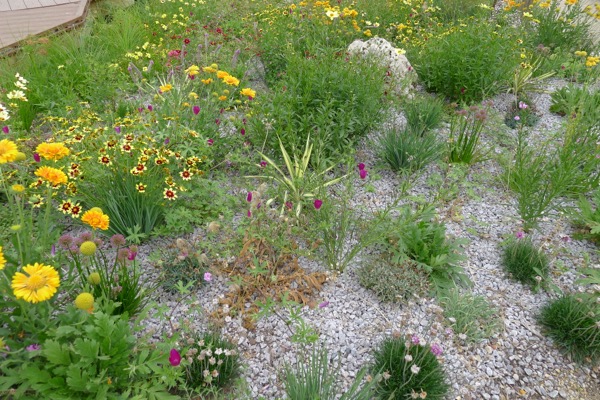
Design is about more than plant selection — it's sun mapping, drainage, style, and plant placement working together.
Step 3: Hydrozoning — Grouping Plants by Water Need
Hydrozoning is one of the most important principles in xeriscape design — and the one most often skipped in DIY projects. The concept: group plants with similar water needs together so the irrigation system can be optimized by zone.
A simple example: native grasses and drought-adapted shrubs on one drip zone, running every 10–14 days. Newly planted perennials needing more frequent water on a second zone. Anything near downspouts or natural drainage in a low-water or no-irrigation zone.
When plants with wildly different water needs share a zone, you end up overwatering the drought-tolerant ones to keep the thirsty ones alive — or underwatering the thirsty ones to not drown the others. Both outcomes produce a struggling, unattractive landscape. Hydrozoning prevents this.
Step 4: Plant Selection for USDA Zone 5b
Denver sits in USDA Hardiness Zone 5b, with minimum winter temperatures of -15°F to -10°F. Plant selection must account for both the cold winters and the hot, dry summers — a combination that eliminates many otherwise drought-tolerant plants from other regions.
The best performers for Denver xeriscape design fall into a few categories:
- Native shrubs: Rabbitbrush, fernbush, native serviceberry, four-wing saltbush — structural plants that anchor the design
- Native grasses: Blue grama, sideoats grama, blue fescue, feather reed grass — movement and texture
- Native perennials: Blanket flower, yarrow, Rocky Mountain columbine, catmint, salvia — color and seasonal interest
- Groundcovers: Creeping juniper, pussytoes, creeping thyme — low-growing weed suppression between larger plants
For a comprehensive plant-by-plant reference, see our native plants for Denver xeriscape guide.
Step 5: Irrigation Design
A xeriscape design is only as good as its irrigation plan. In Denver, drip irrigation is strongly preferred over spray systems for planted beds — it delivers water directly to the root zone, reduces evaporation, and can reduce water use by 30–50% compared to overhead spray.
The irrigation design defines zone layout, emitter placement, spacing, and timing. Smart controllers (Rachio, Rain Bird) that adjust automatically based on weather data are increasingly standard and can save an additional 15–25% on water use.
For a detailed comparison of irrigation options, see our drip vs. sprinkler irrigation guide.
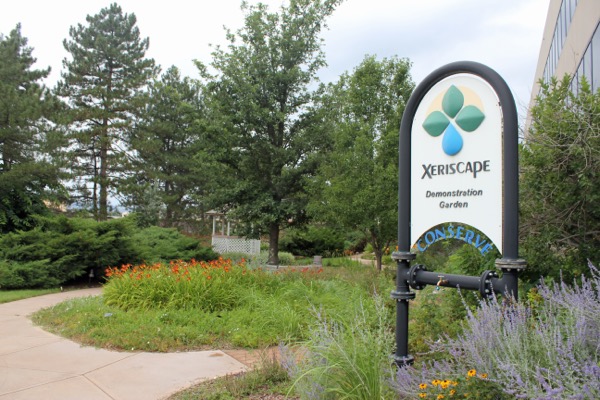
The finished result: a designed xeriscape that looks intentional, performs in Denver's climate, and costs a fraction of a lawn to maintain.
What Does Xeriscape Design Cost in Denver?
Design services vary based on scope. For a typical residential project, expect:
- Design consultation only: $200–$500 for a site visit, assessment, and plant recommendations
- Full design package: $500–$1,500 for a complete plan with plant list, layout drawing, irrigation plan, and material specifications
- Design-build (design included in installation): Many contractors, including Xeris Landscaping, roll the design cost into the project when we're handling installation
For total project costs (design + materials + installation), see our Denver xeriscape cost guide.
Work With a Denver Xeriscape Designer
Xeris Landscaping offers full design-build services — site assessment, design, plant sourcing, installation, and irrigation in a single project. We design for Denver's specific climate, soils, and water conditions, and we help clients qualify for available rebate programs.
Schedule a free design consultation →
Ready to Start Your Xeriscape Design?
Xeris handles xeriscape design and installation across Denver — from the first site visit through the final plant. Request an estimate and we'll walk your yard and show you what's possible.
Xeris does this work. See our Xeriscape Design service in Denver — what's included, what it costs, and how to get a free walkthrough of your property.