

12 Xeriscape Front Yard Ideas for Denver Homes
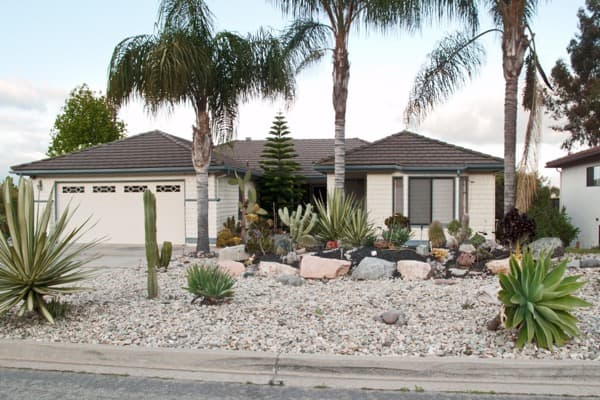
Denver front yards have a problem that grass can't solve anymore: too much sun, too little water, and a climate that demands a different approach. The good news is that xeriscape front yards in Denver can look exceptional — often better than the lawns they replaced, with a fraction of the ongoing cost and effort.
Here are 12 design concepts that work in Denver's climate, each suited to different lot sizes, budgets, and aesthetics.
1. The Prairie Meadow
A loose, naturalistic planting of native grasses and wildflowers that mimics Colorado's shortgrass prairie ecosystem. Sideoats grama, blue grama, and buffalo grass form the groundcover layer. Blanket flower, prairie coneflower, and Rocky Mountain columbine provide seasonal color. Decomposed granite paths wind through the planting.
Best for: Larger lots, naturalist homeowners, neighborhoods without strict HOA rules
Water use: Very low once established
Maintenance: Annual cutback in spring, occasional weeding
2. The Modern Minimal
Clean geometry, restrained plant palette, and a strong emphasis on hardscape materials. Decomposed granite or crushed flagstone as the ground surface, with architectural plants like agave-family members (in protected spots), ornamental grasses, and low yucca. Raised planting beds in weathered steel or concrete add structure. Black or dark steel edging defines the lines.
Best for: Contemporary home styles, small-to-medium lots
Water use: Very low
Maintenance: Very low — mostly just weeding and occasional plant trimming
3. The Cottage Garden (Xeric Edition)
Abundant, layered perennial planting that feels lush despite using a fraction of a traditional garden's water. Native salvia, catmint, yarrow, and blanket flower provide season-long color. Ornamental grasses add movement. Mulch paths and a small flagstone entry tie it together. Looks full and colorful by midsummer, requiring only a drip system and annual maintenance.
Best for: Homeowners who love gardens but want to cut water use
Water use: Low to moderate
Maintenance: Moderate — seasonal cutback and dividing perennials every few years
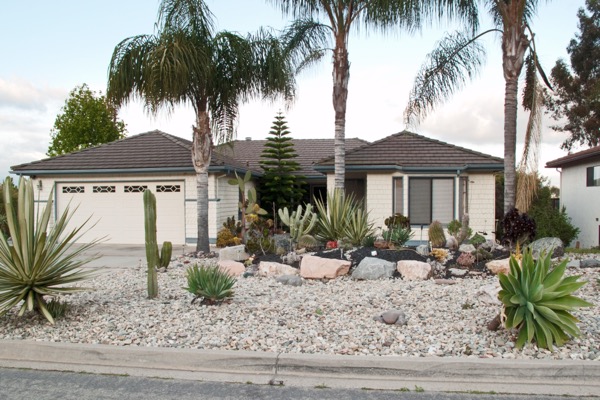
A well-designed xeriscape front yard in Denver — seasonal color, native plants, and zero turf grass.
4. The Dry Creek Bed
A naturalistic drainage feature using river rock in graduated sizes to simulate a seasonal stream bed. Doubles as a functional drainage solution for properties with sheet flow issues. Planted with native shrubs and ornamental grasses along the banks. One of Denver's most requested design elements — visually striking and entirely functional.
Best for: Properties with drainage challenges, visual focal point seekers
Water use: Very low
Maintenance: Low — occasional debris clearing and plant trimming
5. The Pollinator Garden
Designed specifically to support bees, butterflies, and hummingbirds from April through October. Plants are selected to bloom in sequence — early spring ephedrals, late-spring bulbs, summer perennials, and fall-blooming asters and rabbitbrush. A pollinator garden doesn't just look great — it actively contributes to Front Range ecological health as urban development squeezes native habitat.
Best for: Ecologically motivated homeowners, any lot size
Water use: Low
Maintenance: Moderate — leave seed heads through winter, cut back in spring
6. The Boulder Garden
Large sandstone or granite boulders (18–36 inches) placed as focal elements, with native groundcovers and low shrubs filling the spaces between. The boulders give the yard a sense of permanence and geology — like the landscape was always there. Works particularly well with southwest-facing lots that get intense afternoon sun.
Best for: Sunny lots, homeowners who want a low-effort statement yard
Water use: Very low
Maintenance: Very low once established
7. The Flagstone Courtyard
A semi-hardscape front yard centered around a flagstone patio or courtyard, with planted beds around the perimeter. Great for homes where the front yard is used as an outdoor living space. Native plants frame the courtyard. Permeable flagstone or decomposed granite keeps the design water-friendly and avoids impermeable surface issues with city codes.
Best for: Urban Denver lots, homeowners who want outdoor seating in the front
Water use: Low
Maintenance: Low
8. The Native Shrub Screen
For homeowners who want privacy from the street, a layered planting of native shrubs (fernbush, native lilac, serviceberry) creates a living screen that grows denser each year. Shorter groundcovers and grasses in the foreground. No fence, no expensive hardscape — just a dense, beautiful native planting that also provides wildlife habitat.
Best for: Properties close to a busy street, homeowners valuing privacy
Water use: Low once established
Maintenance: Low — seasonal pruning to shape
9. The Mixed Turf Reduction
Not everyone wants to remove their entire lawn. A phased approach converts the water-wasting portions (hot, sunny strips, hard-to-mow slopes) while keeping a small turf area in a shaded, practical zone. A manageable first step that reduces water use 40–60% while keeping some lawn for dogs or kids.
Best for: Families who want some lawn, phased-project budgets
Water use: Moderate (reduced from current)
Maintenance: Moderate
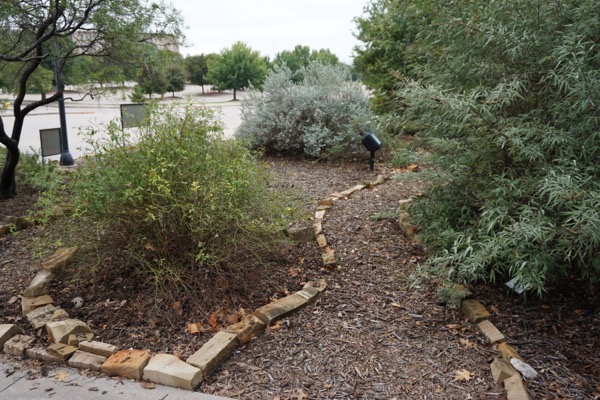
Native shrubs, ornamental grasses, and rock mulch — a front yard that's drought-tolerant and visually distinctive.
10. The Edible Xeriscape
Fruit trees (serviceberry doubles as edible), native herbs (sage, thyme), and drought-tolerant vegetables in raised beds with drip irrigation. A productive garden that earns its water use. Works best in the back or side yard but small edible components can integrate into a front yard design where HOA rules permit.
11. The Low-Growing Groundcover Lawn
Replace grass with a low-growing groundcover that reads like a lawn from a distance but needs a fraction of the water. Blue grama grass (native, grows to 12 inches, requires no mowing if left natural), buffalo grass (very drought tolerant, stays low), or creeping thyme (fragrant, flowering, handles light foot traffic). No mowing required once established.
Best for: Homeowners who love the look of green but hate the maintenance
Water use: 30–50% of bluegrass
Maintenance: Very low
12. The Seasonal Color Rotation
A design built around annuals and perennials timed to provide color from snowmelt through first frost. Early: pasque flower and tulips. Late spring: catmint and salvia. Summer: blanket flower, coneflower, and yarrow. Fall: rabbitbrush and asters. The yard is always doing something interesting — without ever running a sprinkler.
What to Consider Before You Choose
Before settling on a design concept, think through:
- HOA rules: Many Denver metro HOAs restrict certain materials, require minimum plant coverage, or limit rock percentage. Check before designing.
- Your lot's sun exposure: South-facing yards can handle more xeric plants. North-facing yards need shade-tolerant selections.
- Your goals: Curb appeal, water savings, wildlife habitat, and low maintenance weight differently for different homeowners. Get clear on priorities before designing.
- Phasing: You don't have to do it all at once. A well-planned phased approach spreads cost and lets you evaluate before committing to the full design.
For a full breakdown of what these projects cost in Denver, see our complete xeriscape cost guide. For help choosing plants for your specific Denver yard conditions, see our complete native plants guide and our seasonal maintenance guide.
Bring Your Front Yard Vision to Life
Xeris Landscaping designs and installs xeriscape front yards throughout the Denver metro. We'll walk your property, help you choose the right concept for your lot, and handle everything from design through installation.
Get a free front yard estimate →
Ready to Transform Your Front Yard?
Xeris designs and installs front yard xeriscapes across Denver — curb appeal that looks intentional, holds up through the season, and costs almost nothing to maintain.