

Native Alternatives to Popular Landscape Plants: The Denver Swap List
Most Denver yards are built out of the same dozen plants, and there's a reason for that: they're what the big-box nurseries stock, they look good on the shelf in May, and they're familiar. The problem isn't that they're bad plants — it's that almost all of them were selected for climates with 35 to 45 inches of annual rainfall, and the Front Range gets 14 to 15. Everything you do to keep them alive here is compensation for that gap. The alternative isn't to give up the look you want. It's to find the native plant that already does that job. Below are the swaps we specify most often on our native and xeric planting jobs, organized by what the original plant was doing for you.
| The standard | The native swap |
|---|---|
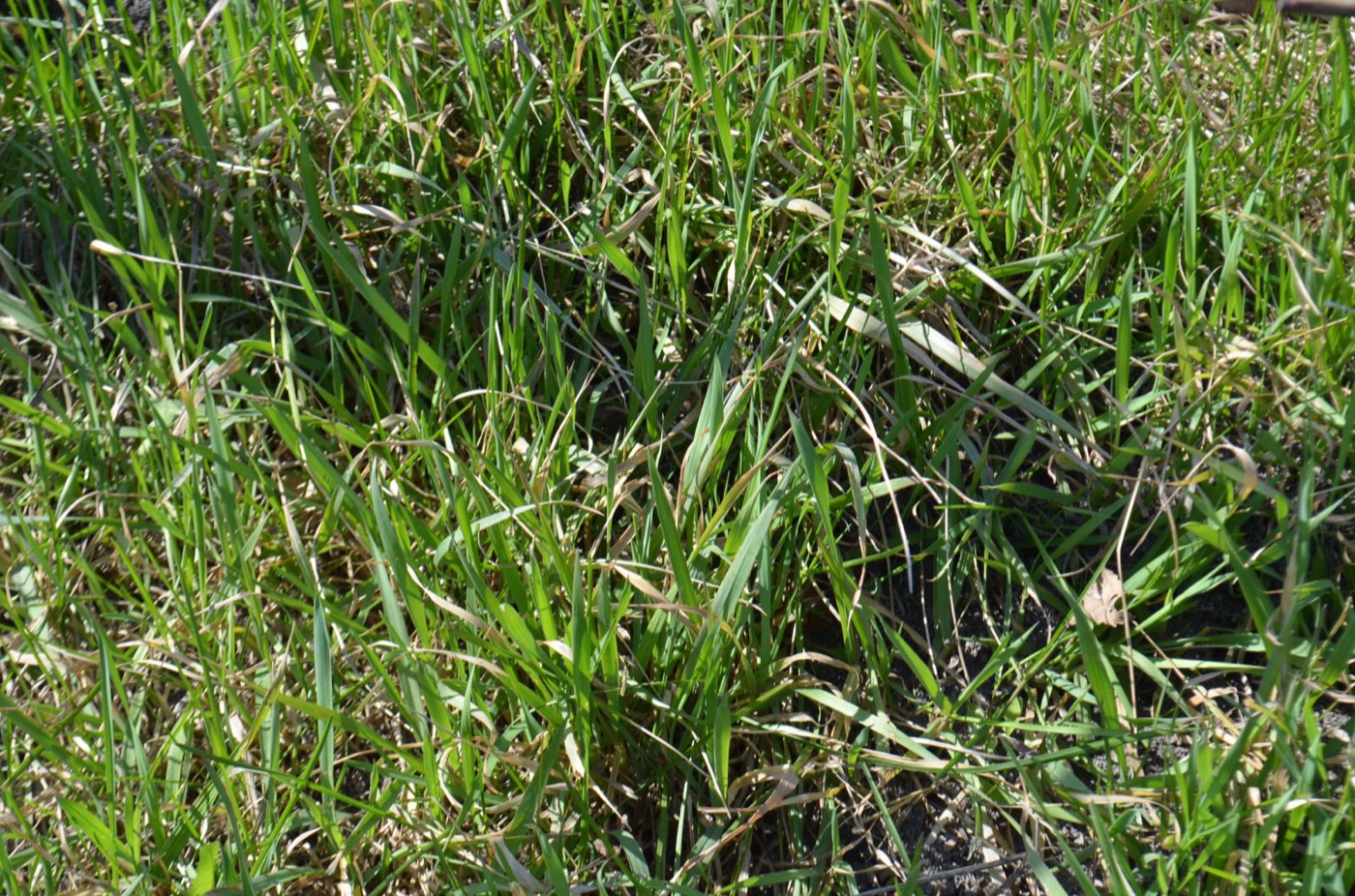 | 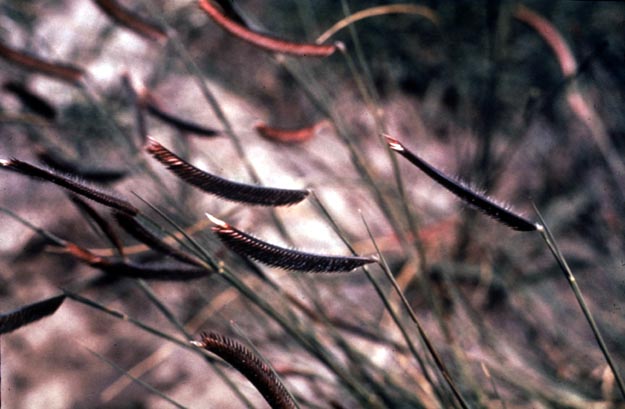 |
| Kentucky bluegrass (Poa pratensis) | Blue grama (Bouteloua gracilis) |
Kentucky bluegrass → buffalo grass or blue grama
This is the big one — turf is where the water actually goes. Kentucky bluegrass needs roughly 25 to 30 inches of water per season in Denver, most of it supplemental. Buffalo grass (Bouteloua dactyloides) and blue grama (Bouteloua gracilis) are both short-stature native prairie grasses that hold up on 8 to 12 inches.
The tradeoff is honest and worth stating plainly: they green up later in spring, they go dormant tan in winter instead of staying green, and they don't take heavy play traffic the way bluegrass does. If you have kids and a dog on a 500-square-foot patch, keep the bluegrass there and convert everything else. That's the "practical turf areas" principle of xeriscape, and it's the one people skip.
| The standard | The native swap |
|---|---|
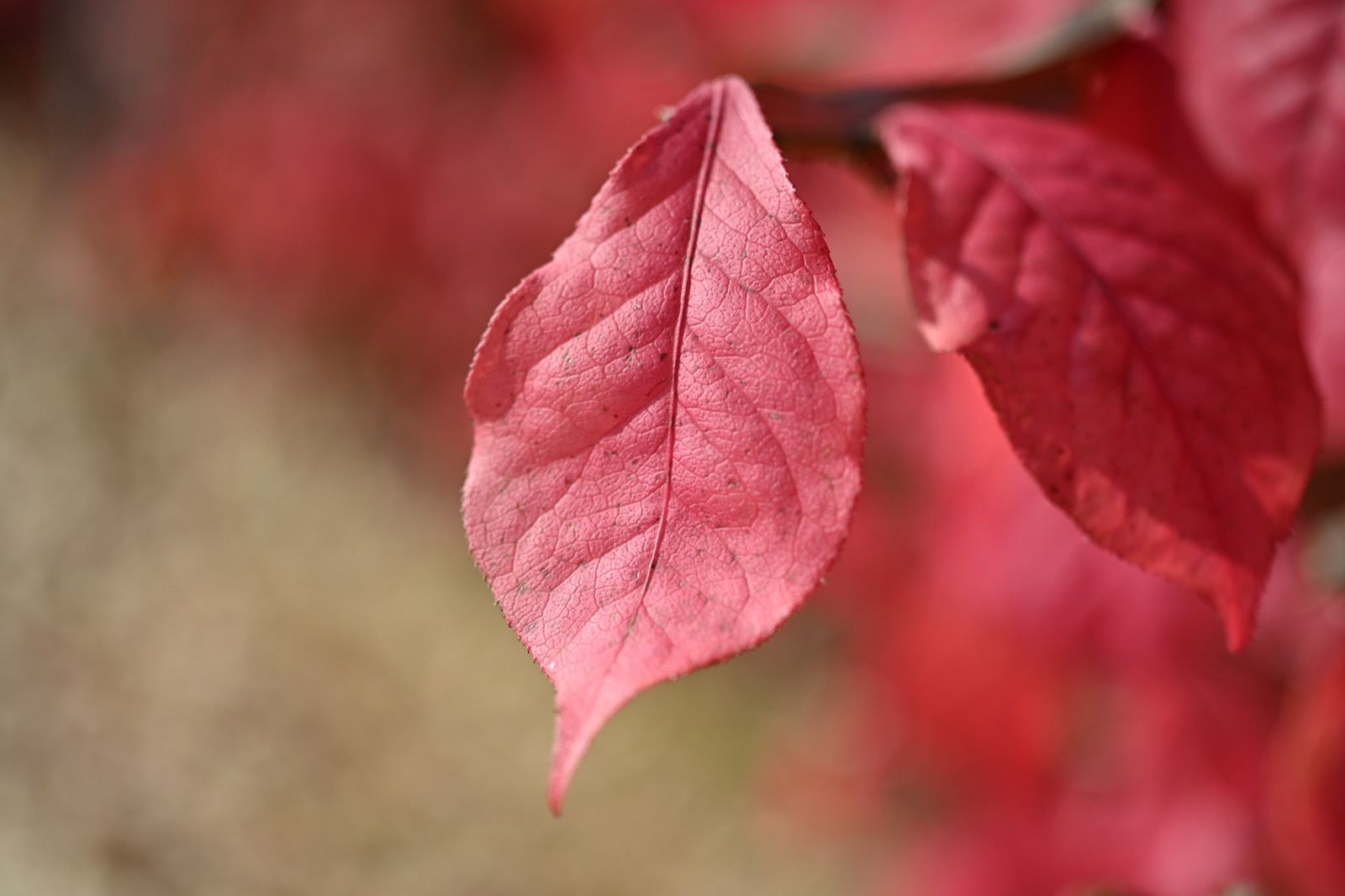 | 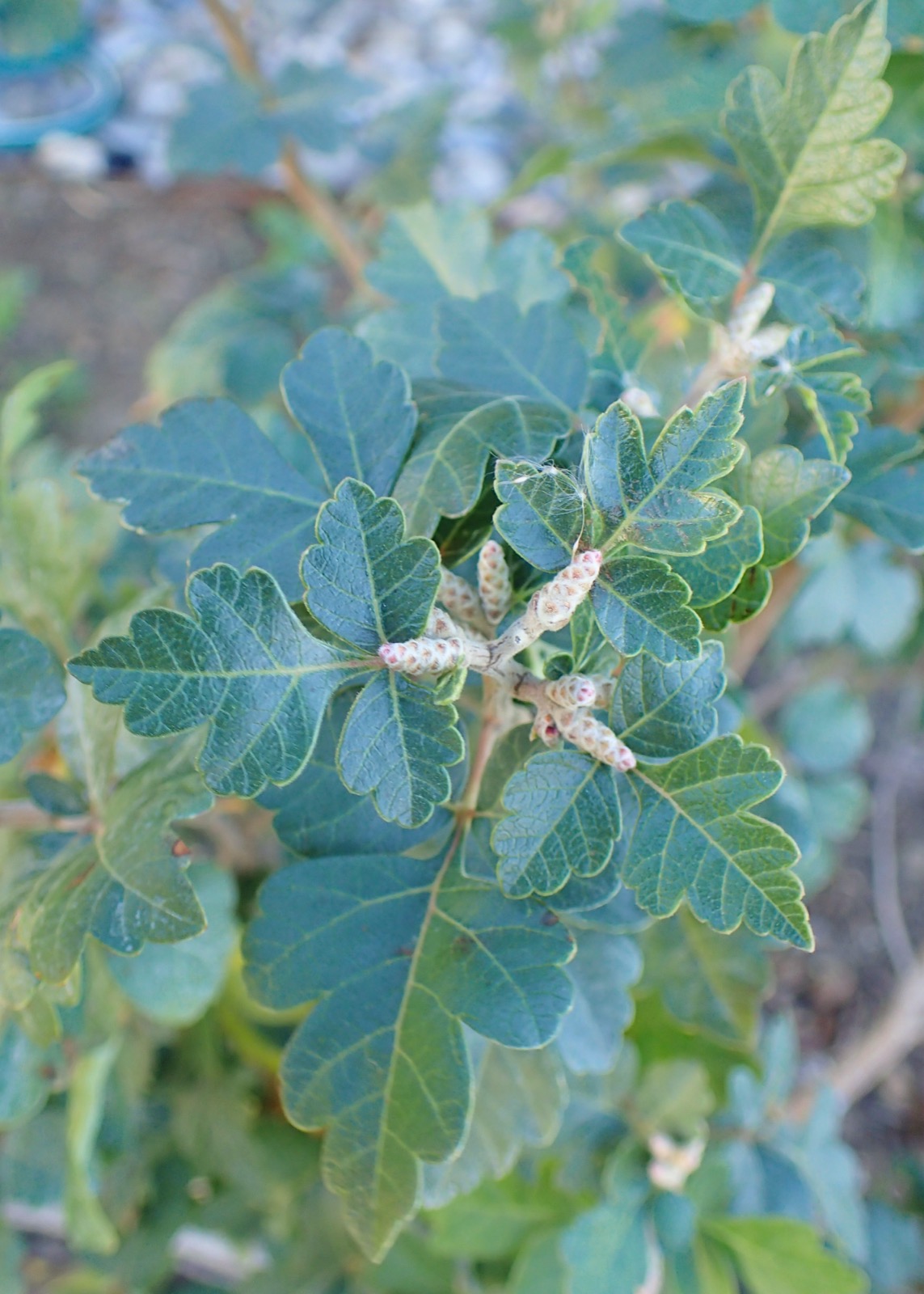 |
| Burning bush (Euonymus alatus) | Three-leaf sumac (Rhus trilobata) |
Burning bush → three-leaf sumac
Burning bush (Euonymus alatus) is planted for exactly one thing: the fall red. Three-leaf sumac, also called skunkbush (Rhus trilobata), delivers the same scarlet-to-orange fall color, is native to the Front Range foothills, and needs no supplemental water once established. It grows 3 to 6 feet, takes shearing if you want it tidier, and produces red drupes that birds work through in late summer. There's a dwarf cultivar, 'Autumn Amber', that stays under 2 feet if you need something low. It is, in our experience, a straight upgrade — the only argument for burning bush is that it's at every garden center and sumac usually isn't.
| The standard | The native swap |
|---|---|
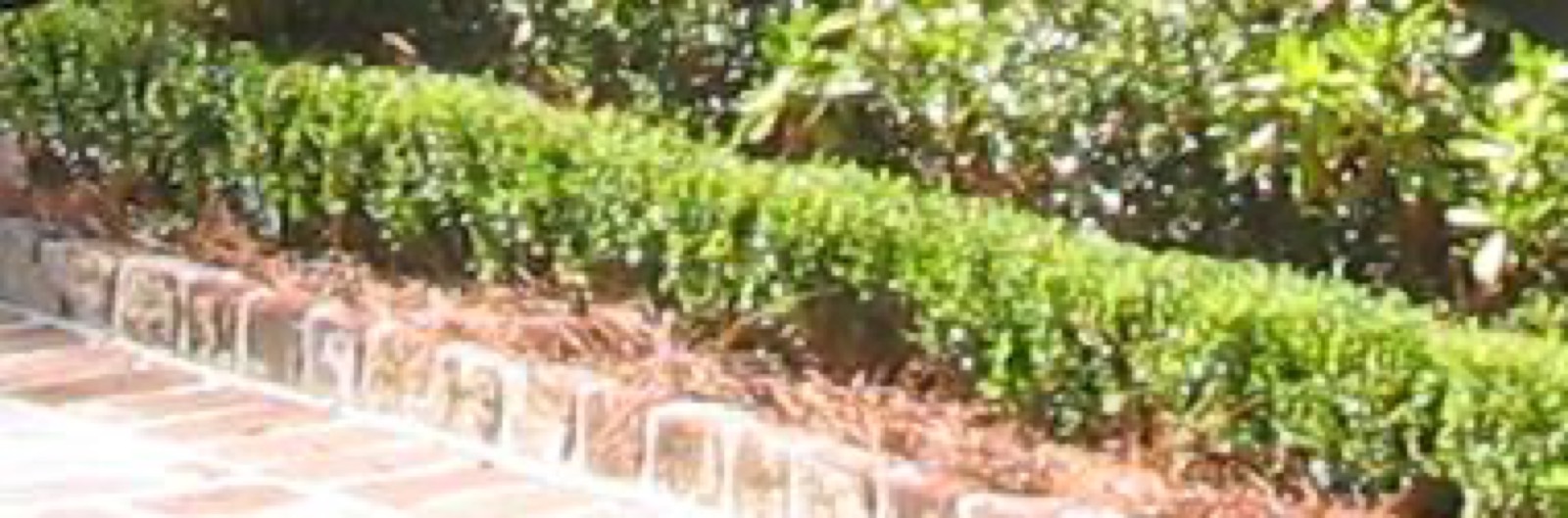 | 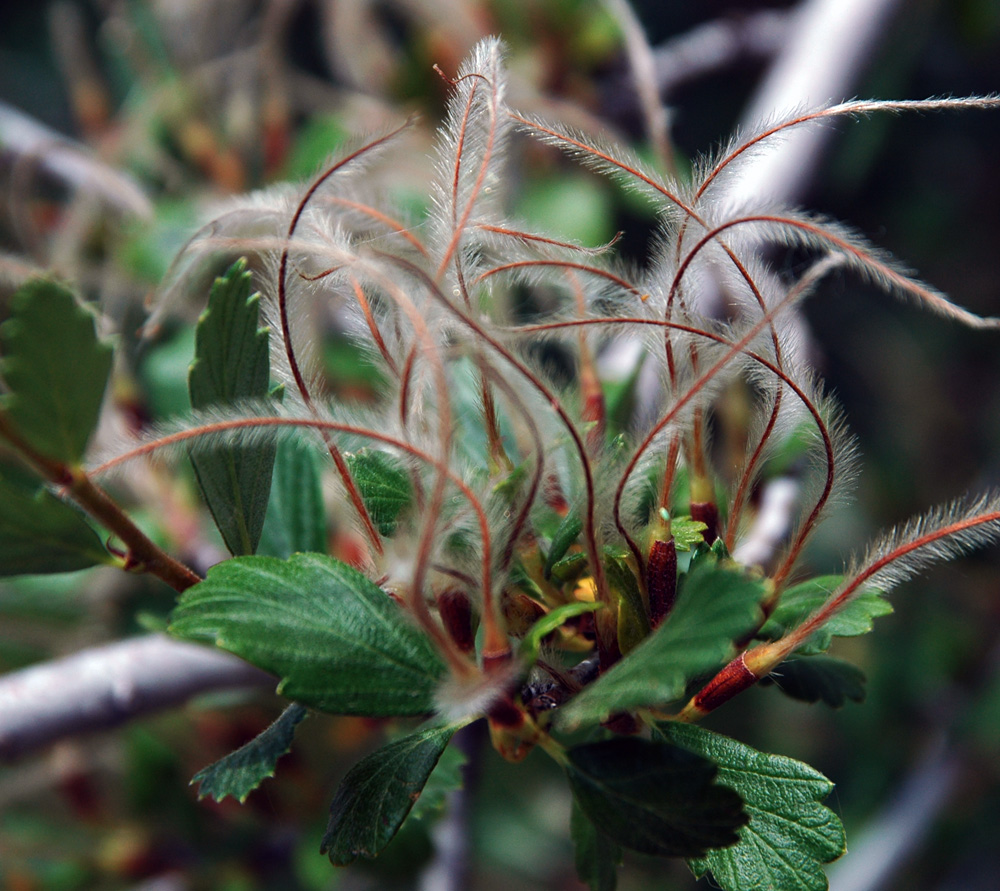 |
| Boxwood (Buxus sempervirens) | Mountain mahogany (Cercocarpus montanus) |
Boxwood → mountain mahogany
Boxwood is the default for structure — clipped hedges, foundation plantings, anything that needs to look like architecture. It also scorches badly in Denver winters, where dry wind and intense sun on frozen ground burn the foliage brown by February. Mountain mahogany (Cercocarpus montanus) is a Front Range native with small leathery semi-evergreen leaves, it takes shearing well, and it holds a clipped form. It's slower than boxwood, so buy larger stock and be patient through the first two seasons. The feathery silver seed plumes in late summer are a bonus boxwood never gives you.
| The standard | The native swap |
|---|---|
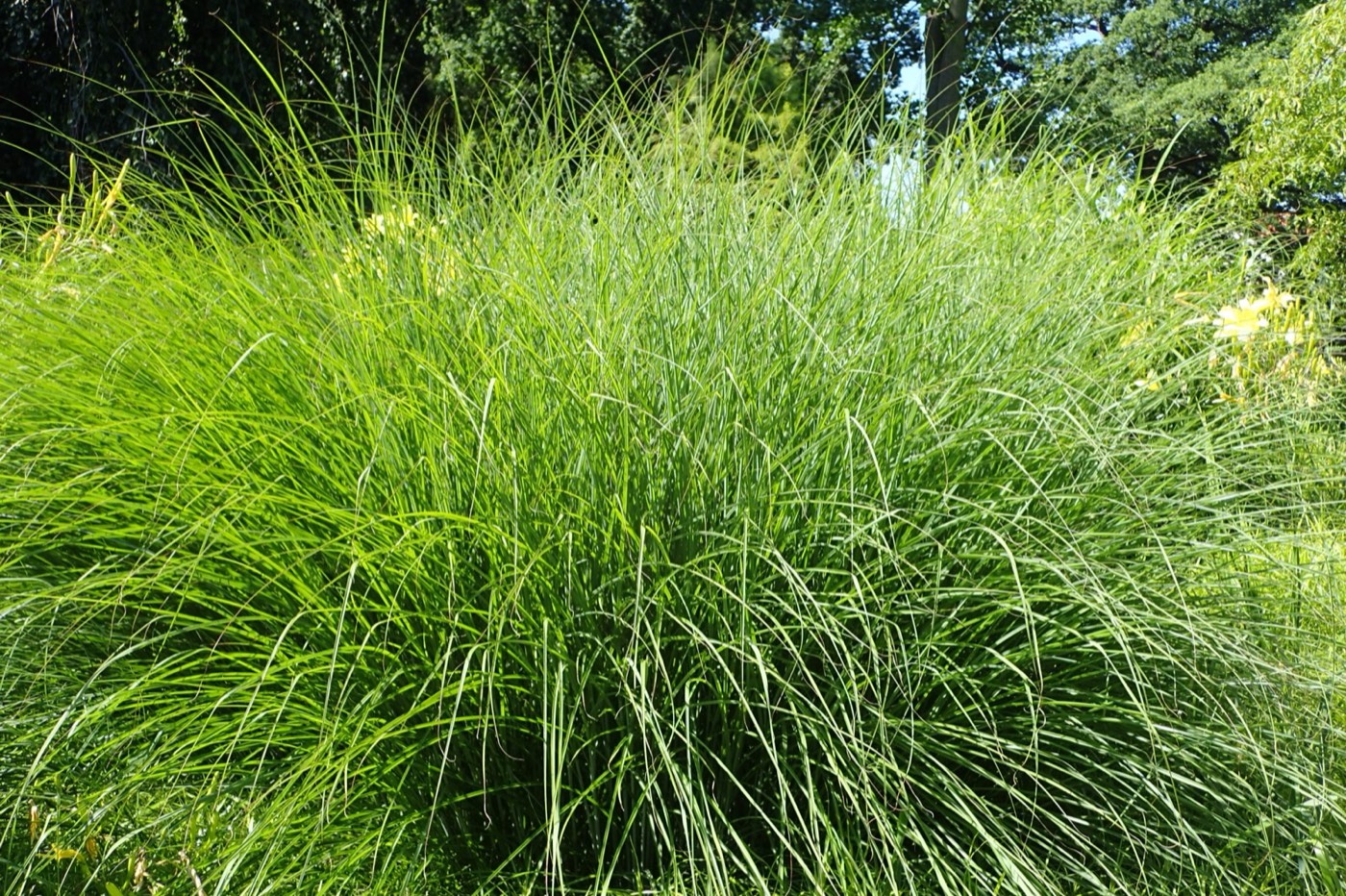 | 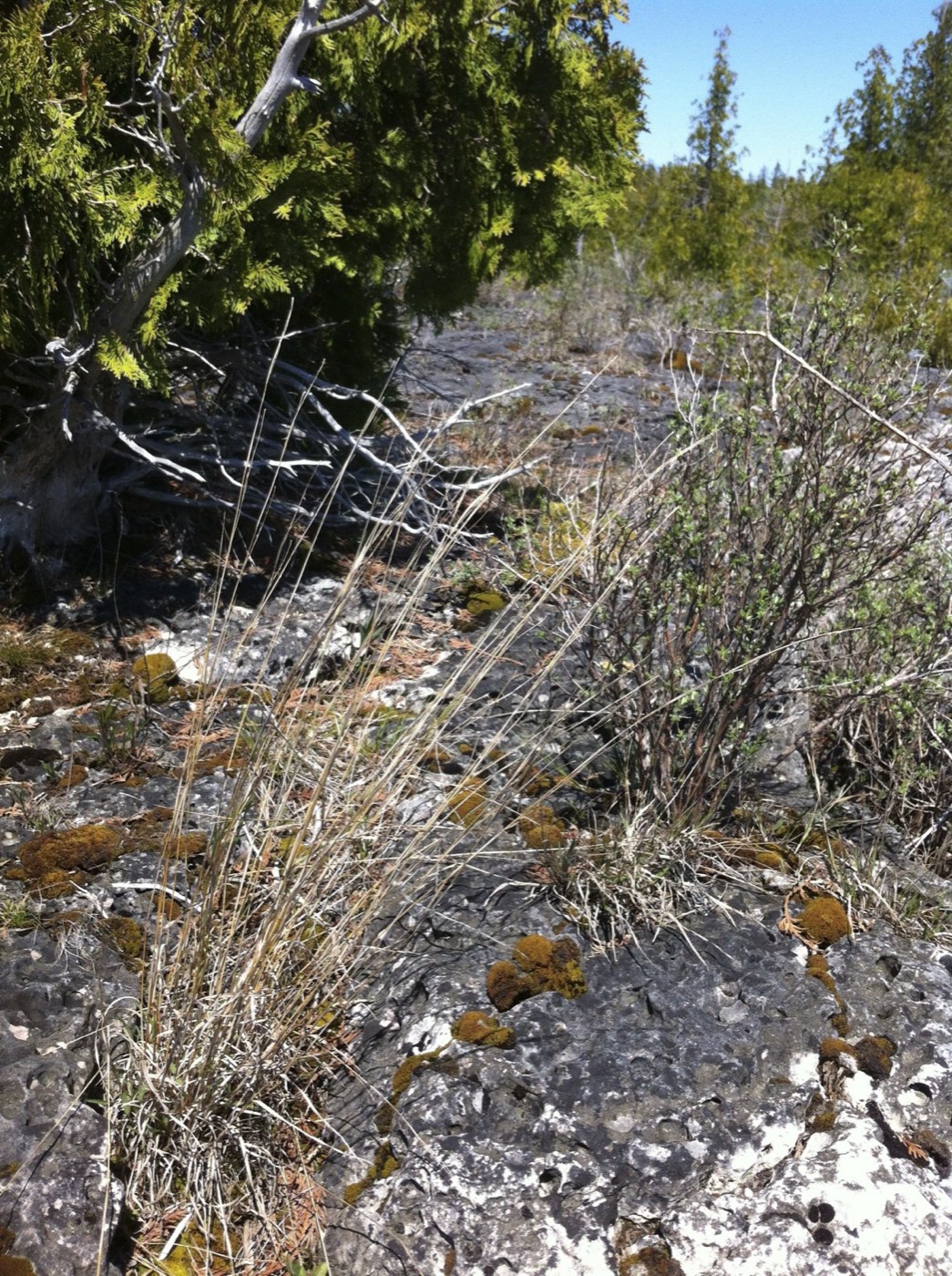 |
| Maiden grass (Miscanthus sinensis) | Little bluestem (Schizachyrium scoparium) |
Miscanthus → little bluestem
Ornamental grasses are the most common non-native in modern Denver landscaping, and maiden grass (Miscanthus sinensis) leads the category. Little bluestem (Schizachyrium scoparium) is the native swap: 2 to 3 feet, blue-green through summer, then a copper-orange fall color that holds all winter and catches low light in a way Miscanthus doesn't. It's a true prairie native, drought-proof after establishment, and it stands up through snow load instead of flopping. Prairie dropseed (Sporobolus heterolepis) is the other option if you want something finer-textured and more mounded.
| The standard | The native swap |
|---|---|
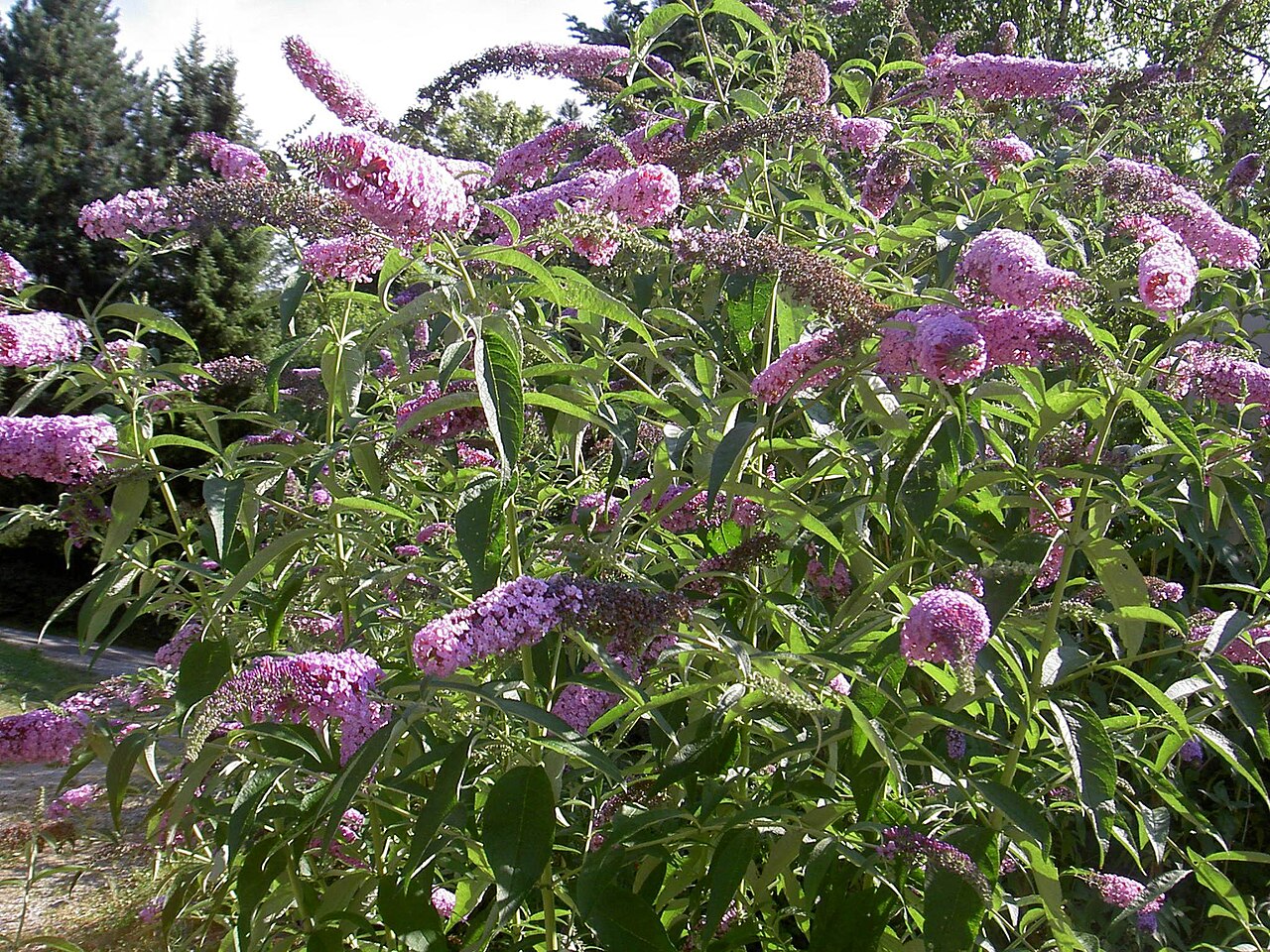 | 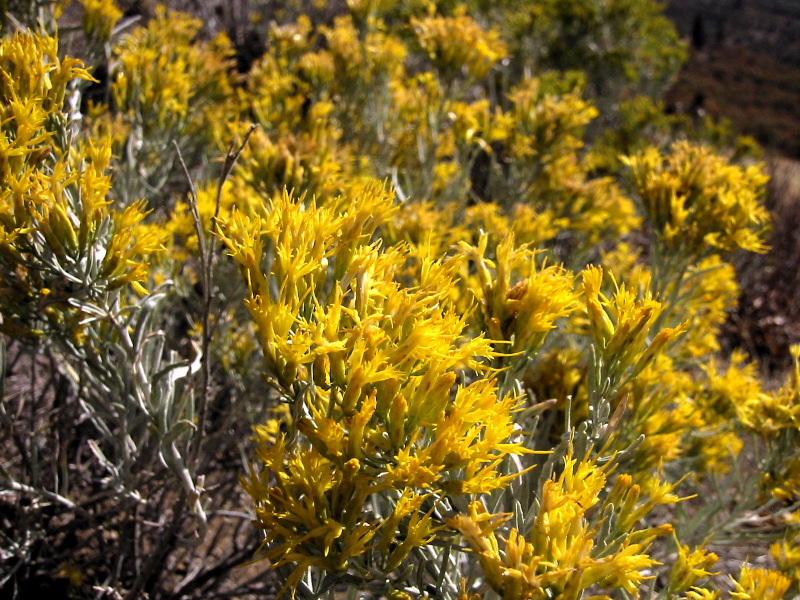 |
| Butterfly bush (Buddleja davidii) | Rabbitbrush (Ericameria nauseosa) |
Butterfly bush → rabbitbrush
Butterfly bush (Buddleja davidii) gets planted for pollinators, which is a good instinct executed with the wrong plant — it feeds adult butterflies nectar but supports almost no native larvae, and it needs regular water here. Rabbitbrush (Ericameria nauseosa) blooms bright yellow in September, when almost nothing else on the Front Range is flowering, and late-season native pollinators genuinely depend on it. It gets written off because it grows wild along highway shoulders, which is precisely the recommendation: it thrives on disturbed, dry, rocky ground with zero care. For a spring-blooming shrub in the same role, wax currant (Ribes cereum) or Boulder raspberry (Rubus deliciosus) both work. Rabbitbrush is one piece of a bloom calendar — our guide to colorful xeriscape plants for Denver lays out what carries each season.
| The standard (now a noxious weed) | The native swap |
|---|---|
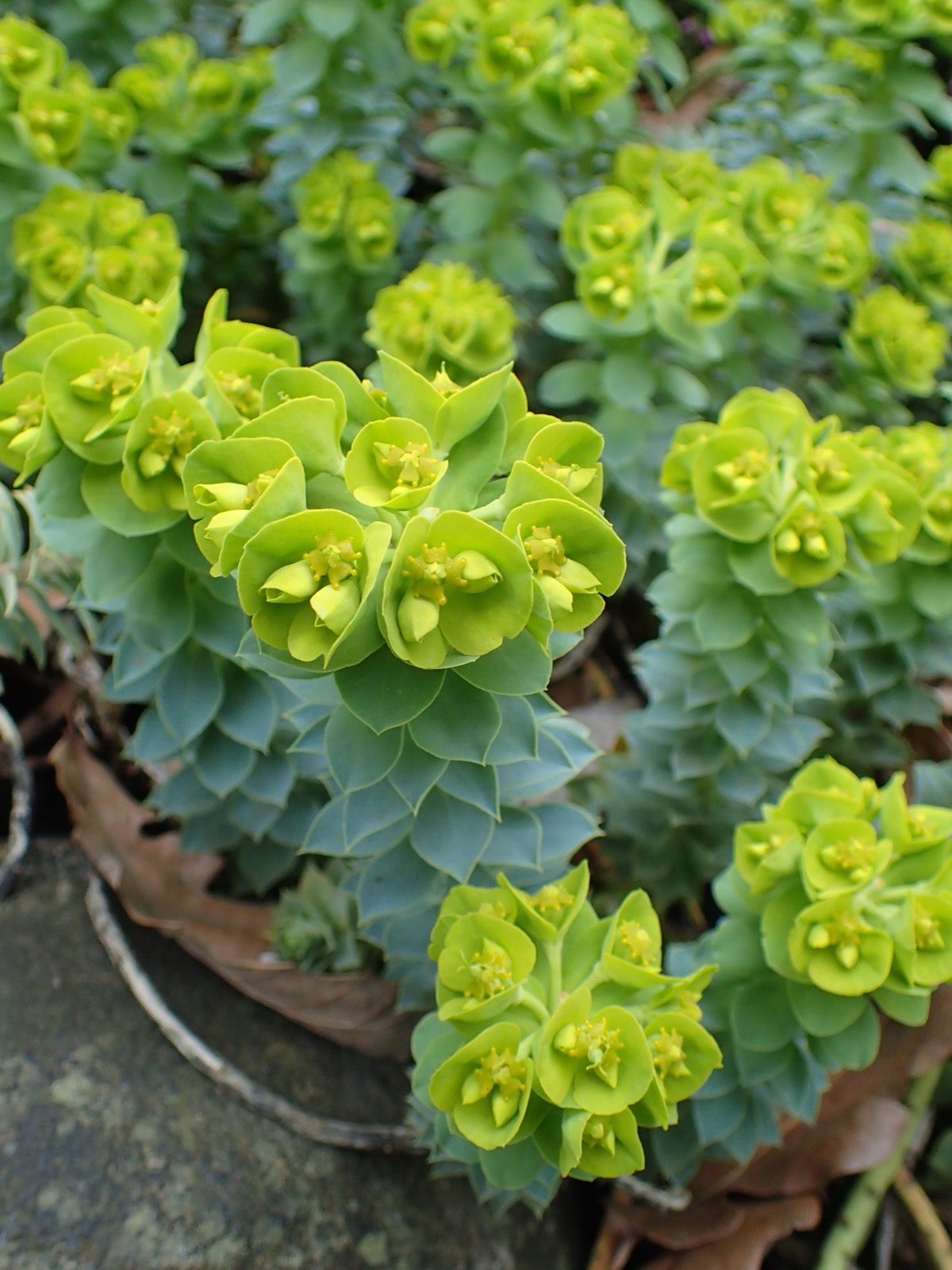 | 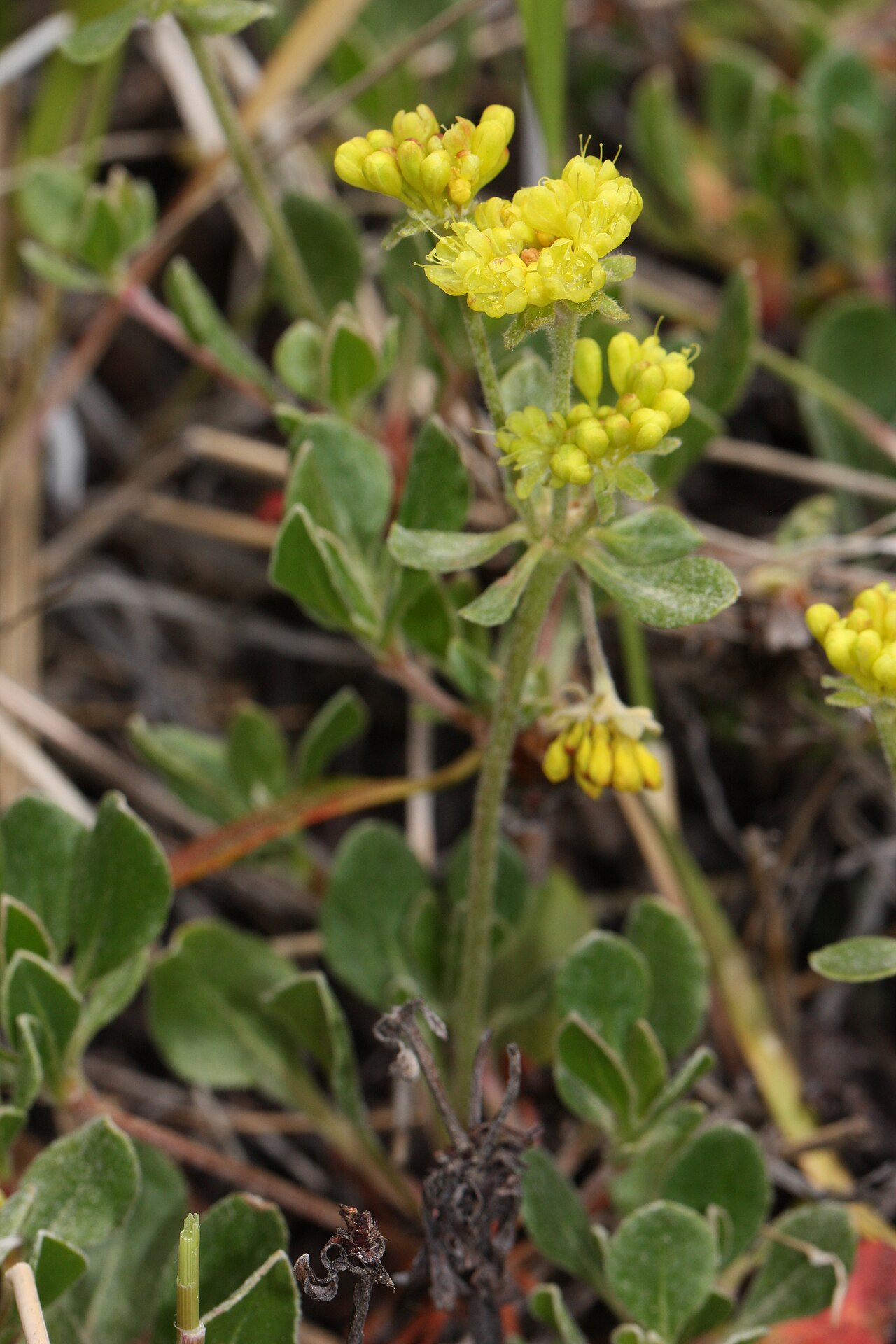 |
| Myrtle spurge (Euphorbia myrsinites) | Sulphur flower buckwheat (Eriogonum umbellatum) |
One swap that isn't optional: myrtle spurge
Myrtle spurge (Euphorbia myrsinites) still shows up in older Denver rock gardens, sold decades ago as a tough succulent groundcover. It is now a Colorado List A noxious weed, which means the state requires eradication, not management — and its sap causes serious skin and eye irritation, so wear gloves and eye protection when you pull it. For the same look in a crevice or rock garden, use sulphur flower buckwheat (Eriogonum umbellatum), creeping mahonia (Mahonia repens), or native sedums. If you're not sure whether what you have is myrtle spurge, send us a photo and we'll tell you.
A final note on sourcing
The reason most people don't plant natives isn't resistance, it's availability — you will not find little bluestem or mountain mahogany at a chain garden center in usable sizes. Buy from Colorado native plant nurseries that grow Front Range genotypes where you can, because seed source matters more than the species label alone: a blue grama grown from a Texas seed source will not behave like one grown from Colorado stock. If you're doing this yourself, order in late winter for spring pickup, because the good native nurseries sell out of the popular species by early May. The same local-stock logic applies to trees — our list of the best trees for Denver and Front Range yards covers the canopy layer.
If you'd rather hand it off, we design and install native and xeric landscapes across the Denver metro. Request an estimate and we'll tell you which of your existing plants are worth keeping before we pull anything out. For more on the palette itself, see our guide to the top native plants for Denver xeriscapes.
Photo Credits
Plant photos are used under their respective open licenses via Wikimedia Commons:
- Kentucky bluegrass — Sciencia58, CC0, via Wikimedia Commons
- Blue grama — Krzysztof Ziarnek, Kenraiz, CC BY-SA 4.0, via Wikimedia Commons
- Burning bush — Matt Lavin, CC BY-SA 2.0, via Wikimedia Commons
- Three-leaf sumac — Al Schneider / USDA Forest Service (San Juan National Forest), Public domain, via Wikimedia Commons
- Boxwood — Acabashi, CC BY-SA 4.0, via Wikimedia Commons
- Mountain mahogany — Chris Light, CC BY-SA 4.0, via Wikimedia Commons
- Maiden grass — Krzysztof Ziarnek, Kenraiz, CC BY-SA 4.0, via Wikimedia Commons
- Little bluestem — Matt Lavin, CC BY-SA 2.0, via Wikimedia Commons
- Butterfly bush — IKAl, CC BY-SA 2.5, via Wikimedia Commons
- Rabbitbrush — Krzysztof Ziarnek, Kenraiz, CC BY-SA 4.0, via Wikimedia Commons
- Myrtle spurge — Syrio, CC BY-SA 4.0, via Wikimedia Commons
- Sulphur flower buckwheat — Matt Lavin, CC BY-SA 2.0, via Wikimedia Commons