

14 Tough Trees That Actually Thrive in Denver
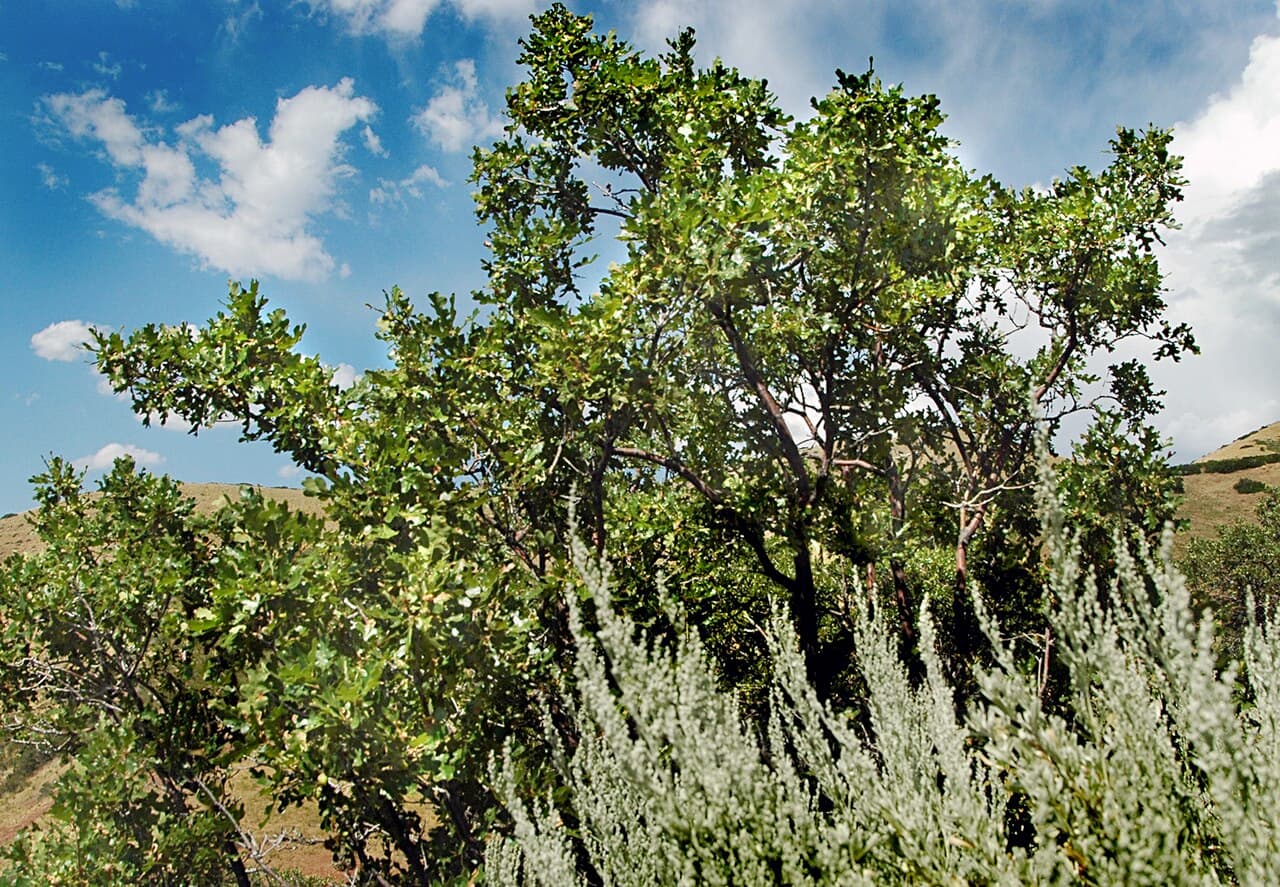
Planting a tree in Denver is the most optimistic thing you can do — you're betting on shade you won't sit under for fifteen years. So plant one that'll actually be there. The Front Range is brutal on trees: heavy clay, alkaline soil that locks up iron, single-digit humidity, wild temperature swings, spring frosts that ambush new leaves, and the occasional hailstorm that shreds everything. Half the trees sold at big-box stores were bred for Ohio, and they spend their short Denver lives struggling.
The good news: a whole roster of trees love it here — or at least shrug off everything Colorado throws at them. Below are 14 we'd plant and stand behind on any tree and plant installation, grouped by the job they do: big shade trees, native and evergreen backbone, and smaller ornamental accents. Skip the fragile stuff (looking at you, silver maple and ash) and start here.
Big Shade Trees: Plant These for Your Grandkids
These are the long-lived giants — the trees that drop your summer AC bill and outlive the mortgage. They're slower, but they're the ones worth waiting for.
Kentucky Coffeetree (Gymnocladus dioicus 'Espresso') — 50–70 ft · Full sun · Low water once established
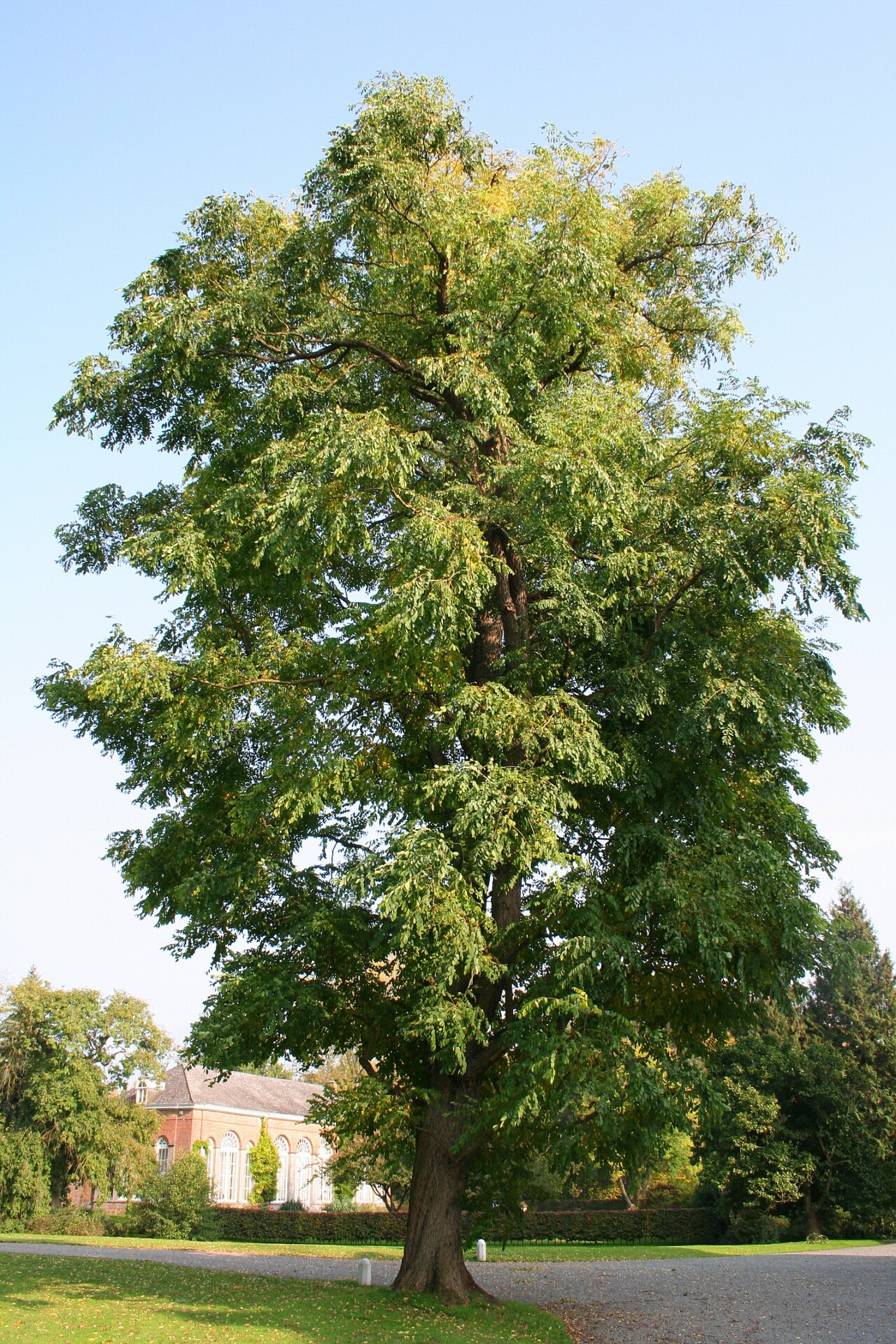 A criminally underused shade tree. Big, bold, tropical-looking compound leaves in summer; a gorgeous gnarled silhouette in winter. Tough as they come — laughs at clay, drought, and alkaline soil. Plant the 'Espresso' cultivar: it's a seedless male, so you get all the majesty and none of the messy seed pods.
Bur Oak (Quercus macrocarpa) — 60–80 ft · Full sun · Low water once established
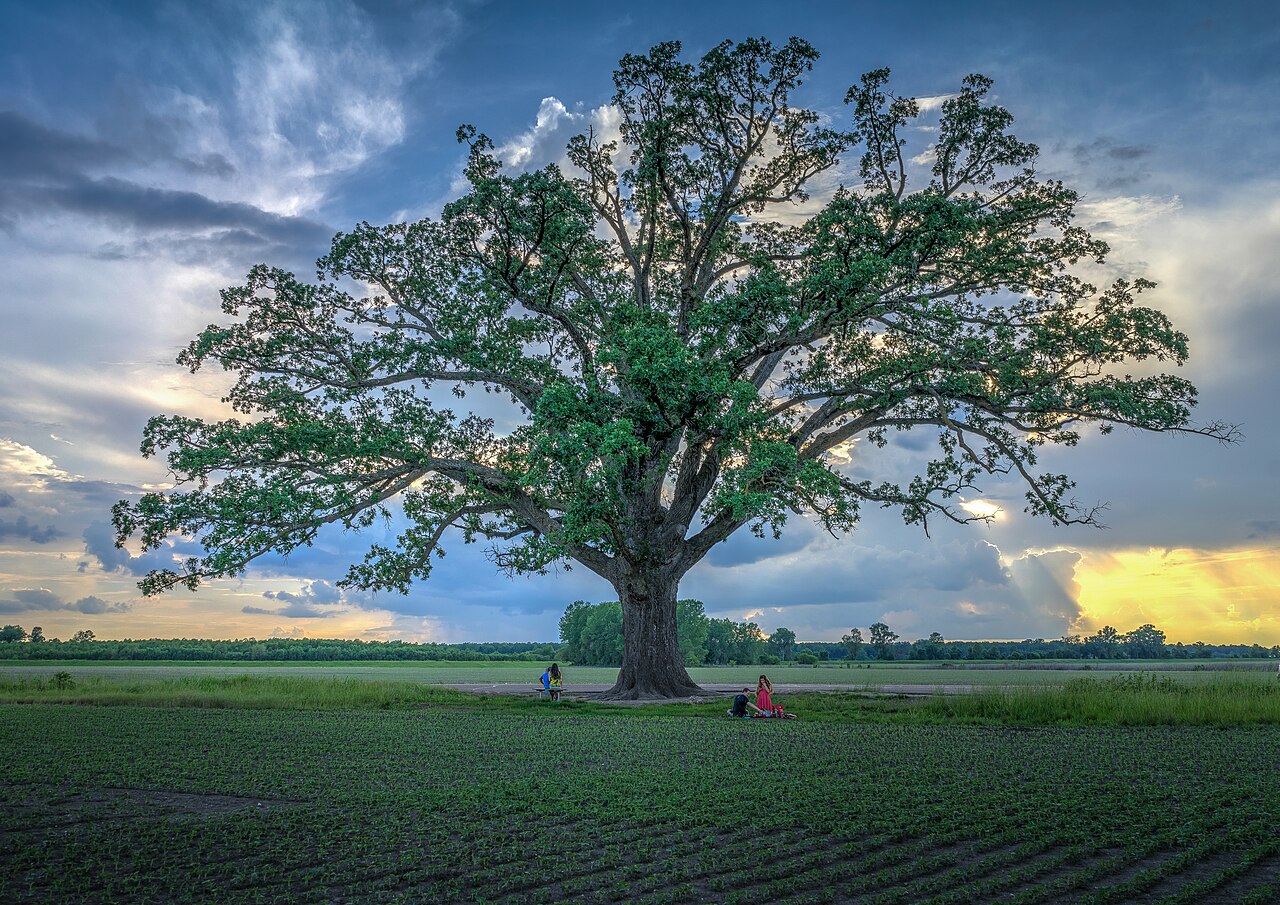 The toughest oak for the plains, full stop. Deeply furrowed bark, massive fringed acorns, and a build that handles clay, drought, alkaline soil, and deep cold without blinking. This is a 200-to-300-year tree. Slow to start, but you're planting a landmark.
Chinkapin Oak (Quercus muehlenbergii) — 40–60 ft · Full sun · Low water once established
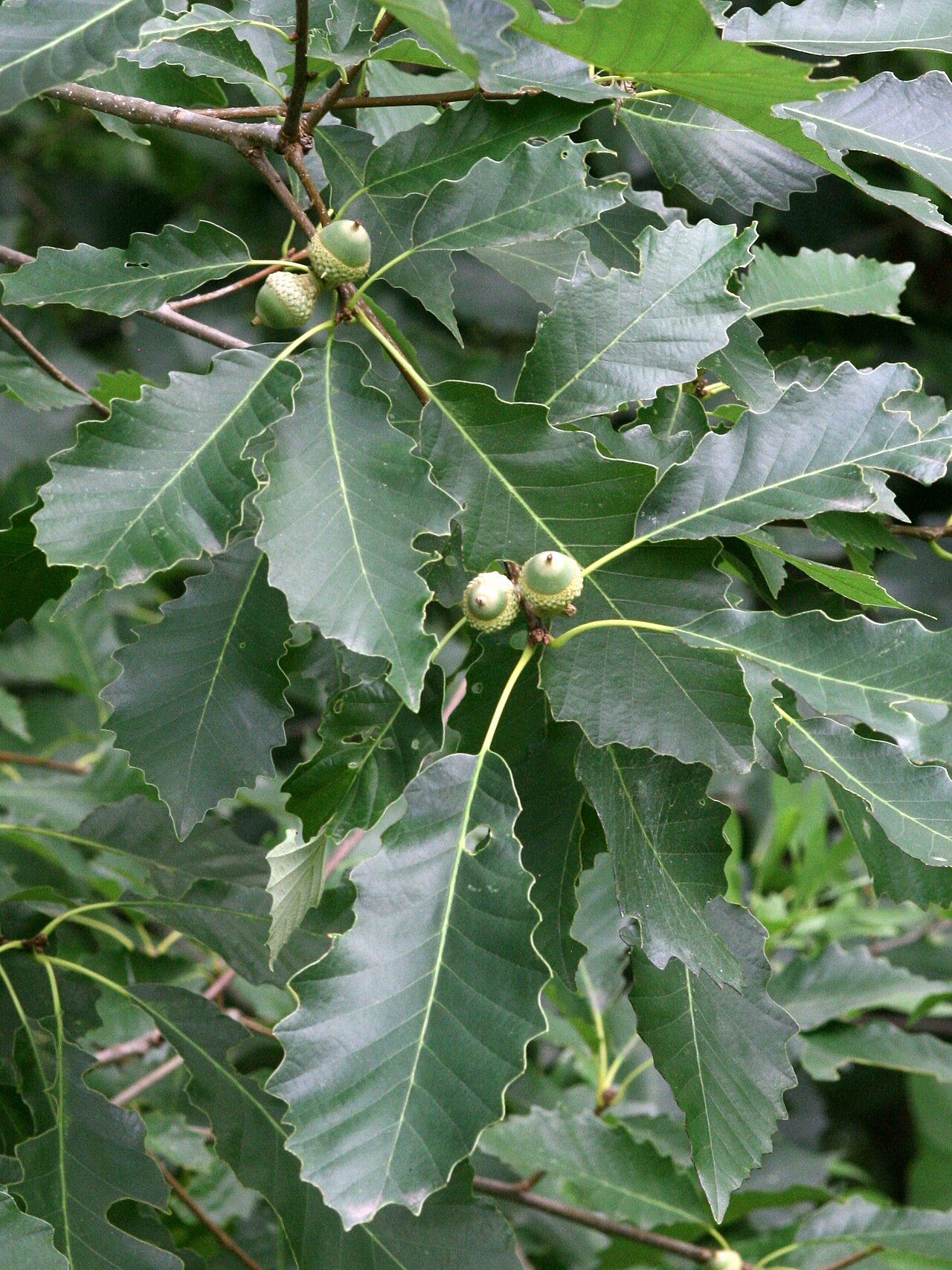 The oak that wants your bad soil. Chinkapin oak thrives in the alkaline, limestone-y ground that stresses most trees — which is exactly what much of the Front Range has. Glossy chestnut-like leaves, warm fall color, and real drought toughness once established. Wildly underplanted here.
Hackberry (Celtis occidentalis / netleaf C. reticulata) — 40–60 ft · Full sun · Very low water
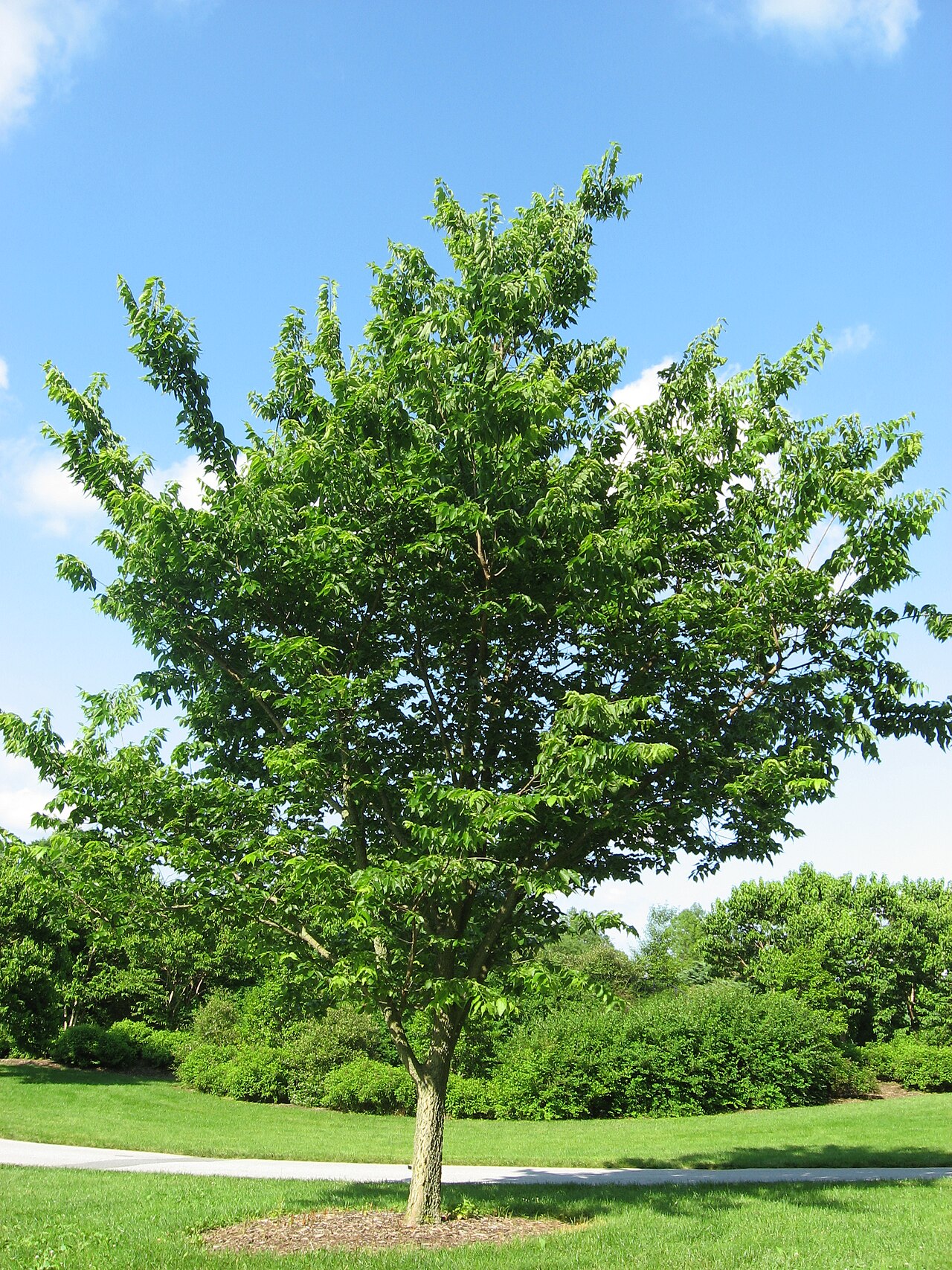 If you want a bulletproof shade tree that ignores wind, drought, clay, and alkaline soil, this is it. Distinctive warty bark, berries that birds devour, and an unkillable constitution that makes it a favorite for tough urban spots. The Western native netleaf hackberry is smaller and even more drought-tough.
Honeylocust (Gleditsia triacanthos inermis 'Skyline' / 'Shademaster') — 40–60 ft · Full sun · Low water
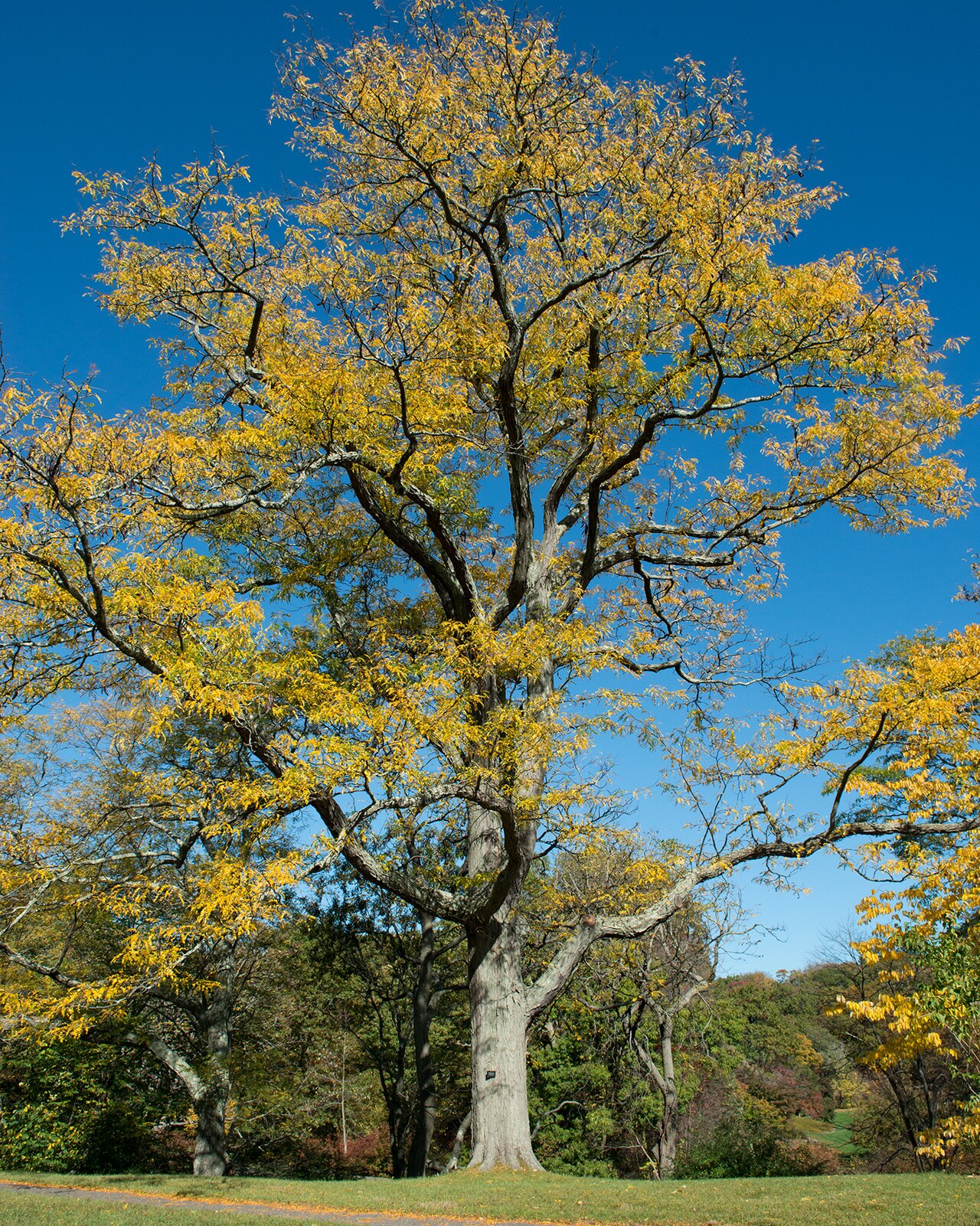 The fast one. Fine, ferny foliage casts a light, filtered shade — grass and plants actually grow underneath it — and it turns clean gold in fall. Plant the thornless, podless cultivars ('Skyline', 'Shademaster') to skip the mess. One caveat: it's been overplanted in some Denver neighborhoods, so if your block is already full of them, pick something else for diversity's sake.
Western Catalpa (Catalpa speciosa) — 40–60 ft · Full sun · Low water
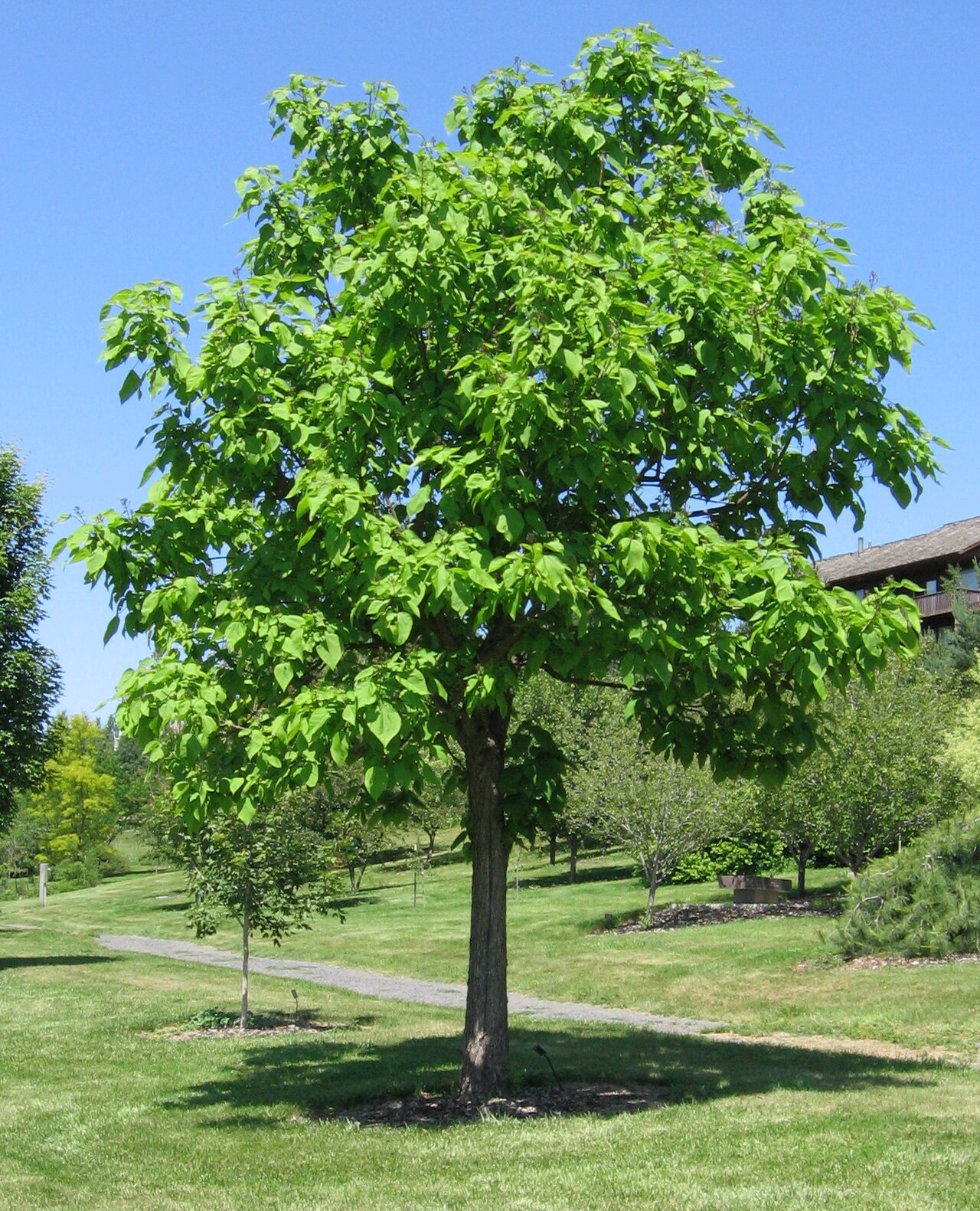 Pure drama. Huge tropical leaves, and in early summer it covers itself in showy clusters of white orchid-like flowers. Fast, tough, and drought- and clay-tolerant. The tradeoff is litter — long bean pods and big leaves to clean up — so give it a spot where that's no big deal and enjoy the show.
Native and Evergreen Backbone
These give you year-round structure, wildlife value, and that unmistakable Colorado character — and most sip water once established.
Gambel Oak (Quercus gambelii) — 15–30 ft · Full sun to part shade · Very low water
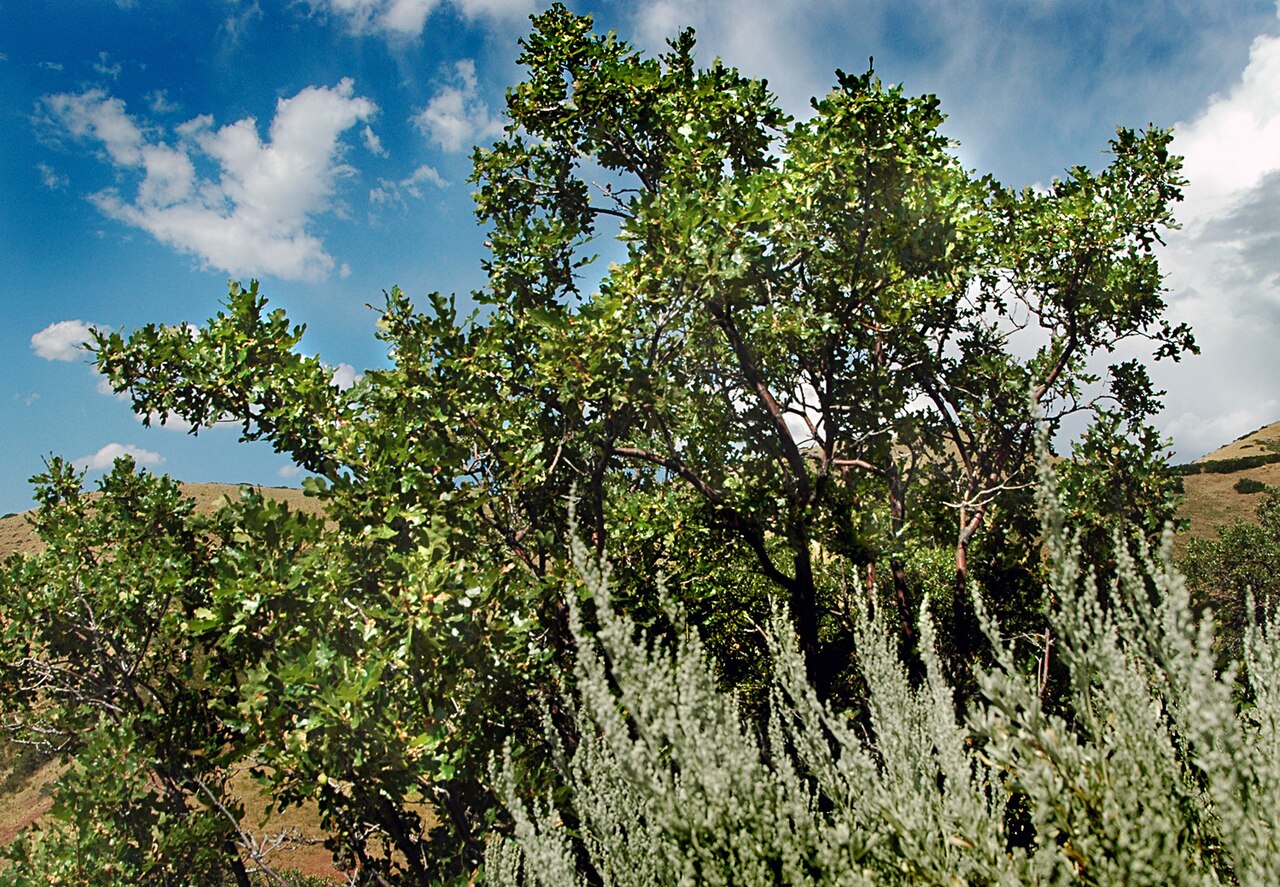 The quintessential Colorado foothills oak, and the source of those blazing red-orange hillsides every October. Drought-tough, wildlife-rich, and happy in clay and on slopes. It tends to sucker into a multi-stem grove over time — which is perfect if you want a naturalistic screen, and manageable if you don't.
Pinyon Pine (Pinus edulis) — 15–30 ft · Full sun · Very low water
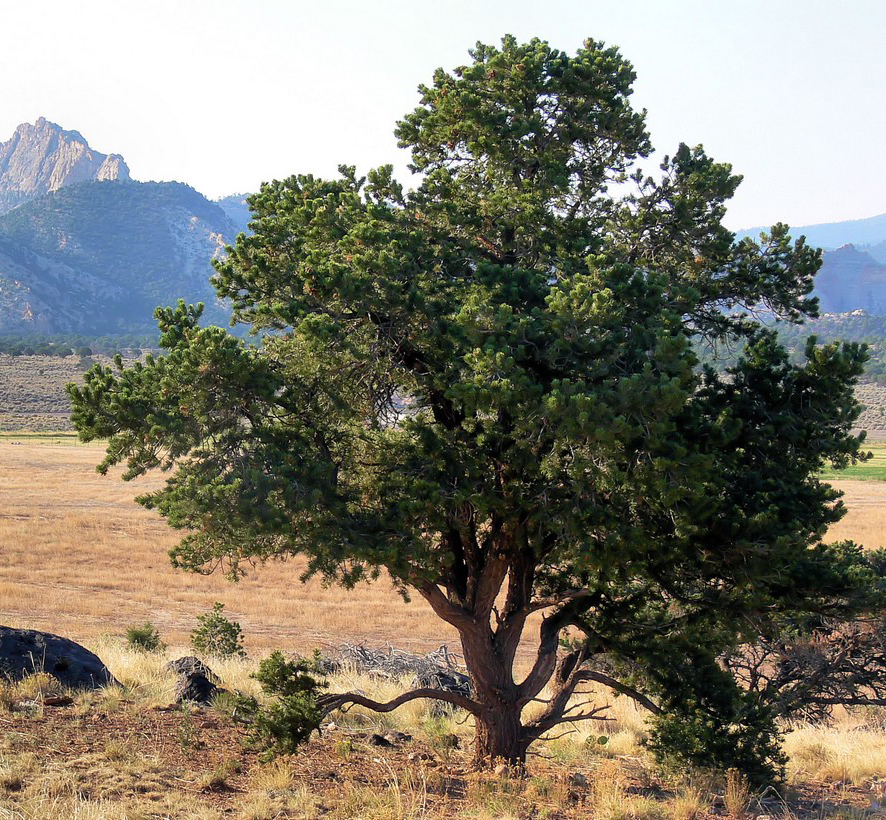 Colorado's own native pine — the one that gives us pine nuts. Compact, sculptural, and drought-proof, it's the ideal evergreen anchor for a water-wise yard. It's slow, so buy the biggest one your budget allows; you're paying for the years someone else already grew.
Rocky Mountain Juniper (Juniperus scopulorum) — 20–30 ft · Full sun · Very low water
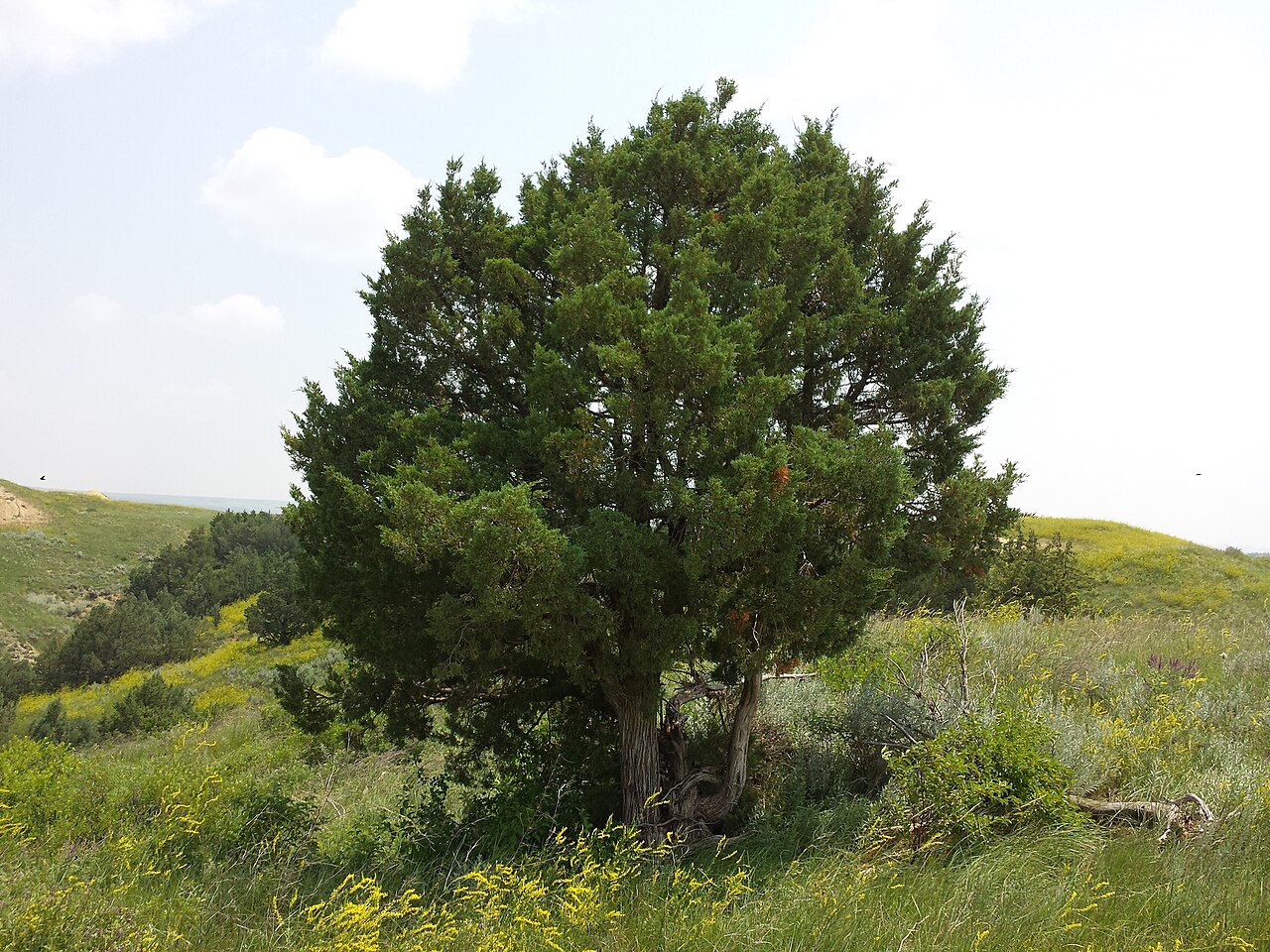 A native evergreen that's built for this climate — narrow and upright, with blue-green to silver foliage. Unbeatable as a windbreak, privacy screen, or vertical accent, and effectively indestructible once rooted. Cultivars like 'Wichita Blue' and 'Blue Arrow' give you reliable form and color.
Mountain Mahogany (Cercocarpus) — 6–20 ft · Full sun · Very low water
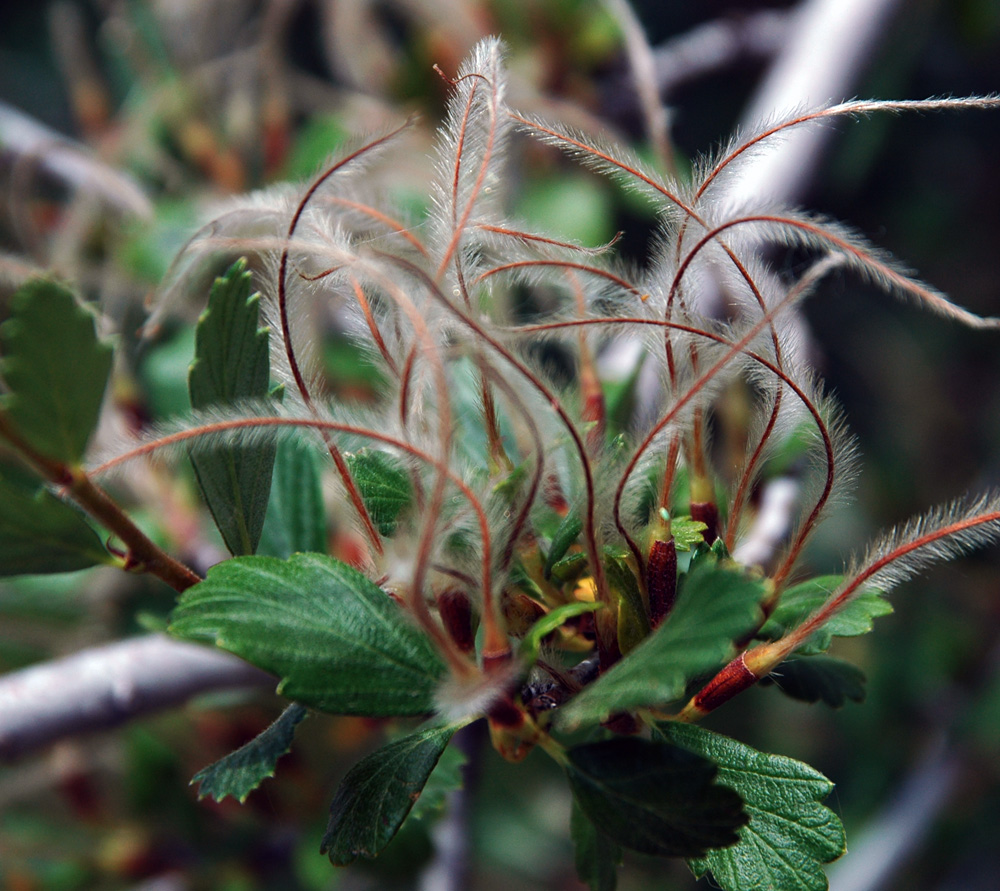 A tough, elegant native large shrub or small tree with a hidden trick: feathery silver seed plumes that catch the light like spun glass in late summer. The curl-leaf types are evergreen. Fantastic for naturalistic screening, texture, and wildlife — and it asks for almost nothing.
Smaller Ornamental Accents
Not every tree needs to be a giant. These smaller flowering and specimen trees fit tight yards, frame entries, and bring seasonal color.
'Hot Wings' Tatarian Maple (Acer tataricum 'Hot Wings') — 15–20 ft · Full sun to part shade · Low water
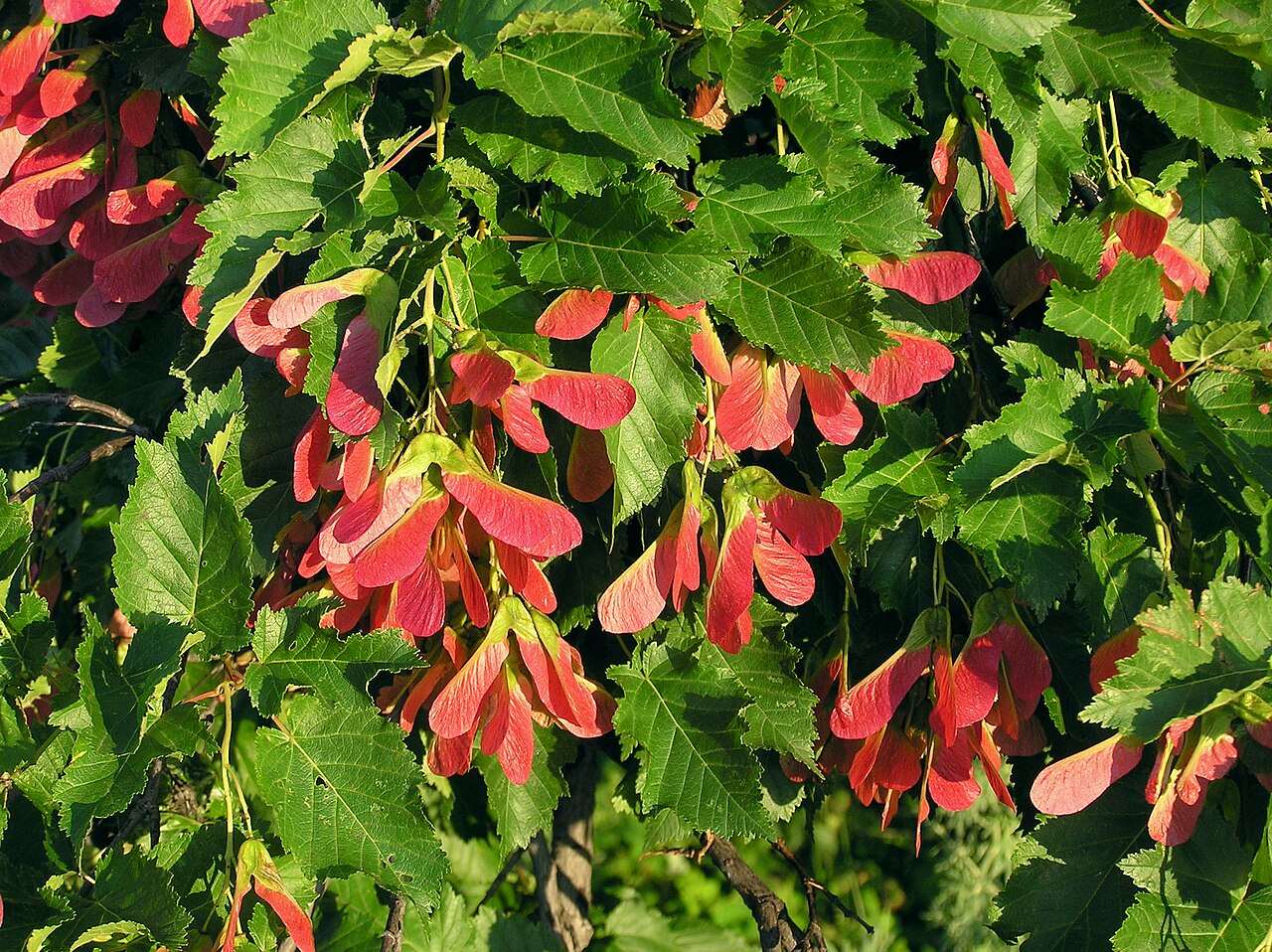 A Plant Select star and a perfect small tree for tight spaces. The showstopper isn't the flowers — it's the samaras: brilliant scarlet-red winged seeds that light up the whole canopy in summer like it's blooming, followed by red-orange fall color. Adaptable, cold-hardy, and tidy.
Golden Raintree (Koelreuteria paniculata) — 25–35 ft · Full sun · Low water
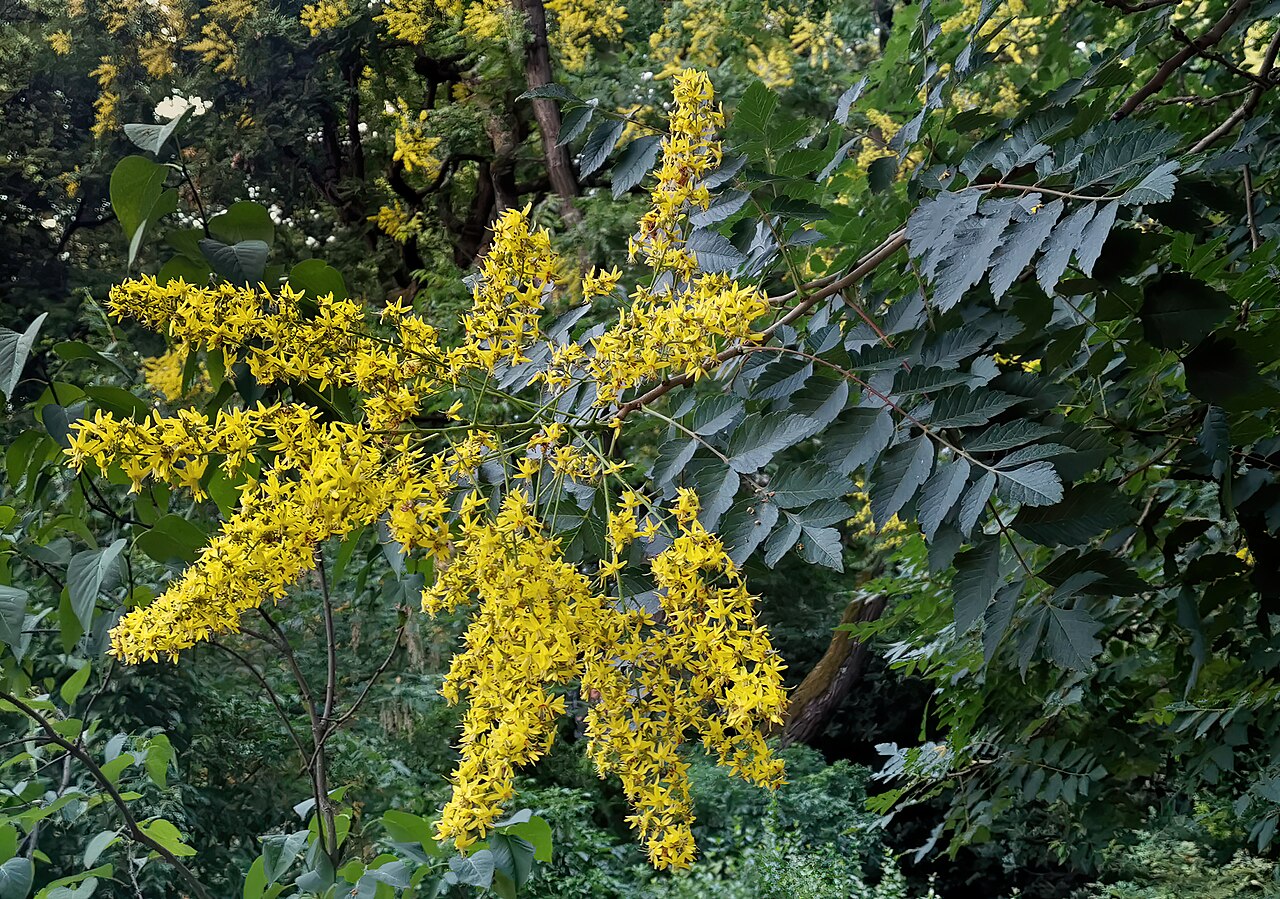 One of the very few trees that flowers in the heat of July — big airy panicles of yellow blooms, followed by papery pink lantern-shaped seed pods that hang on for weeks. Adaptable to clay and drought, and a great medium ornamental for a spot that needs midsummer interest.
Chitalpa (× Chitalpa tashkentensis) — 20–30 ft · Full sun · Low water
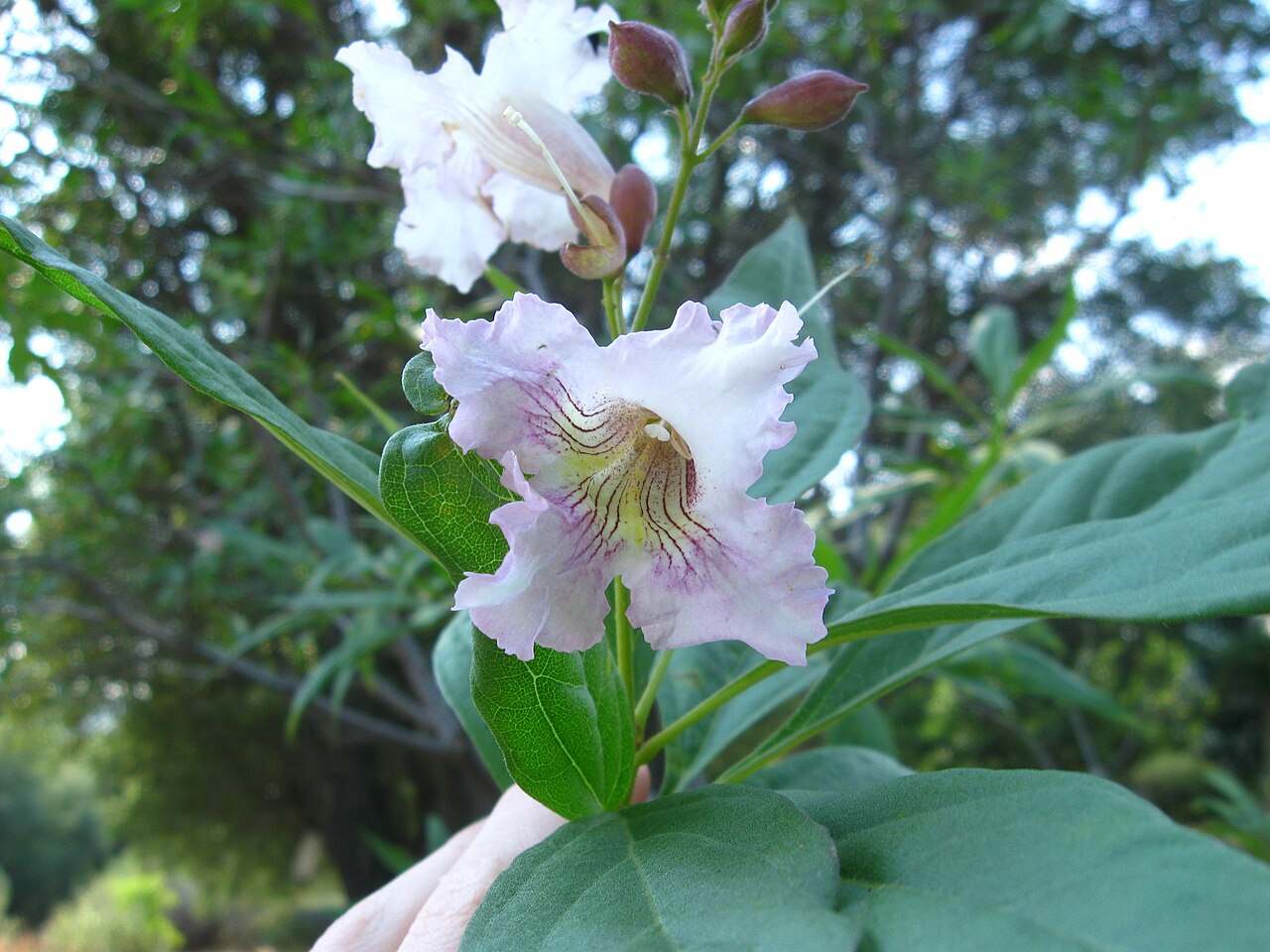 A hybrid of catalpa and desert willow that took the best of both: fine willowy foliage, real drought toughness, fast growth, and a long summer run of orchid-like pink-and-white flowers. It's sterile, so no messy pods. An excellent small flowering tree for a hot, dry spot where you want color.
New Mexico Privet / Desert Olive (Forestiera neomexicana) — 10–15 ft · Full sun · Very low water
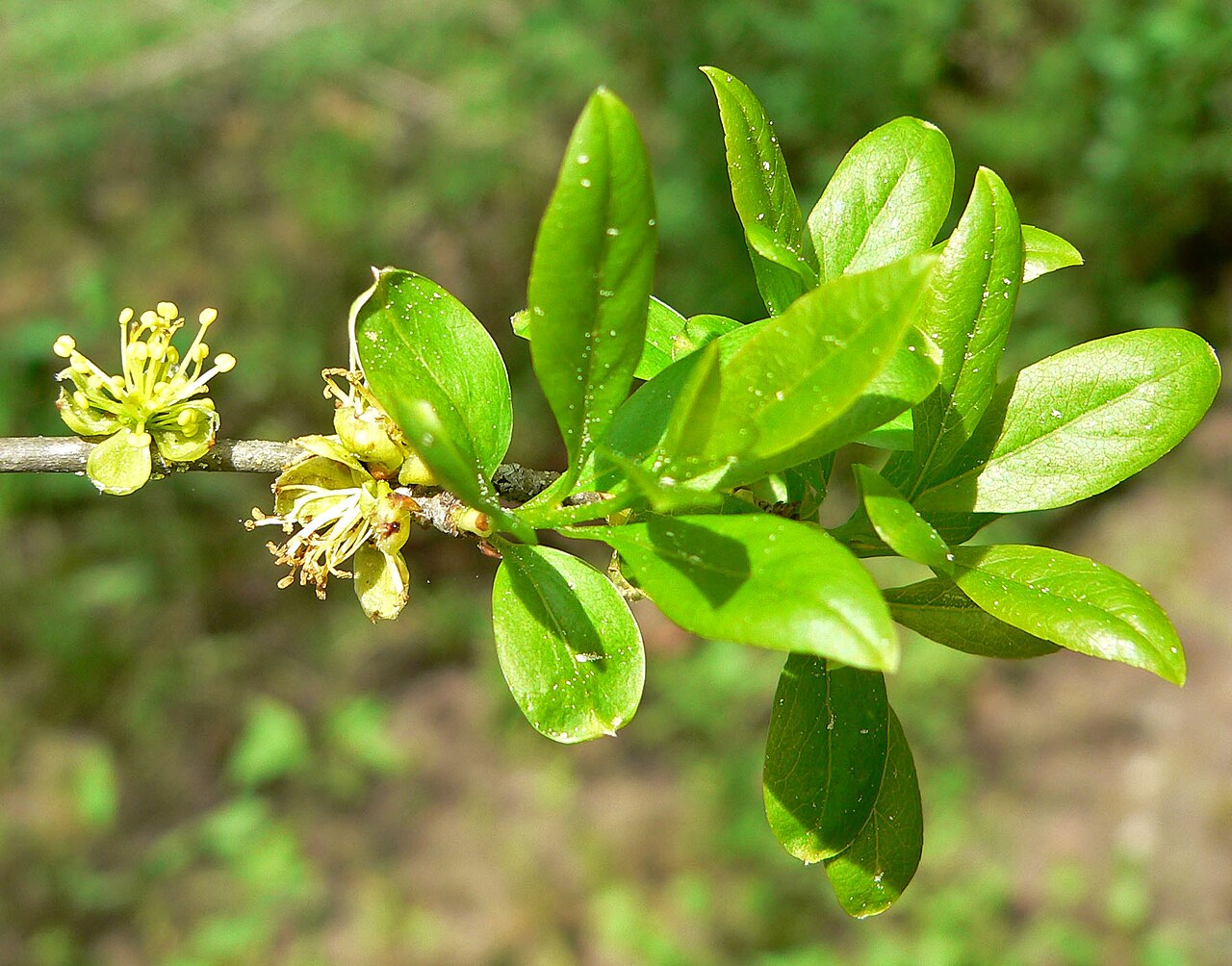 Despite the name, it's not a real privet — it's a tough native large shrub or small multi-stem tree that's one of the best xeric screening plants going. Dense growth for privacy, clean yellow fall color, and dark berries the birds love. Shear it as a hedge or let it grow into a graceful small tree.
Getting It Right: Denver Tree-Planting Reality
- Right tree, right place. Know the mature size before you dig. A bur oak under a power line is a slow-motion mistake. Give big shade trees room to become what they are.
- Plant in spring or fall, not the heat of July. Cooler soil, less transplant stress, better establishment.
- Water deep and infrequent the first two to three years — a slow soak at the drip line, not daily sprinkles. Deep water builds deep roots, and deep roots are what make a tree drought-tough and wind-firm. Don't forget winter watering on dry, warm spells; that's when young evergreens die of thirst.
- Mulch, don't mound. A 2–3 inch ring of wood mulch (pulled back off the trunk — no "mulch volcanoes") keeps roots cool and moist and keeps the mower away from the bark.
- Diversify. A block of all one species is one beetle or disease away from being bare. Mix it up — that's part of why the ash monoculture became such a problem.
Choosing the whole palette — trees, shrubs, and ground layer? Pair these with our guides to going full xeric in Denver and the top native plants for Denver xeriscapes, and see what a project like this actually costs.
Ready to Plant Something That Lasts?
Xeris designs and installs tree and landscape plantings across Denver and the Front Range — built around tough, proven, climate-right species like these, and placed where they'll thrive for decades. Request an estimate and we'll walk your site, read your soil and sun, and help you plant the right tree in the right spot. Or browse our portfolio to see the work.
Photo Credits
Tree photos are used under their respective open licenses via Wikimedia Commons:
- Kentucky coffeetree — Jean-Pol GRANDMONT, CC BY 3.0, via Wikimedia Commons
- Bur oak — Heath Cajandig, CC BY 2.0, via Wikimedia Commons
- Hackberry — Chhe (talk), Public domain, via Wikimedia Commons
- Chinkapin oak — Vojtěch Zavadil, CC BY-SA 3.0, via Wikimedia Commons
- Honeylocust — Plant Image Library from Boston, USA, CC BY-SA 2.0, via Wikimedia Commons
- Western catalpa — Mark Wagner, CC BY 2.5, via Wikimedia Commons
- Gambel oak — Wikimedia Commons, CC BY-SA 3.0, via Wikimedia Commons
- Pinyon pine — jotor at Flickr, CC BY-SA 2.0, via Wikimedia Commons
- Rocky Mountain juniper — John Brew https://www.inaturalist.org/people/brewbooks, CC BY 4.0, via Wikimedia Commons
- Mountain mahogany — Wikimedia Commons, CC BY-SA 3.0, via Wikimedia Commons
- Tatarian maple — Le.Loup.Gris, CC BY-SA 3.0, via Wikimedia Commons
- Golden raintree — Didier Descouens, CC BY-SA 4.0, via Wikimedia Commons
- Chitalpa — Benny White, CC BY-SA 3.0, via Wikimedia Commons
- New Mexico privet — Stan Shebs, CC BY-SA 3.0, via Wikimedia Commons