

So You Want to Go Full Xeric With Your Denver Yard
So you've decided you're done with the lawn. Done paying to water grass that browns out in August anyway, done mowing, done pretending Kentucky bluegrass ever made sense at 5,280 feet. You want to go full xeric — a yard that looks alive on 14 inches of annual rain and mostly takes care of itself.
Good. It's absolutely doable in Denver, and it's most of what our plant installation crew puts in the ground. But "full xeric" doesn't mean rock and three sad shrubs. Done right, it means a yard with structure, silver texture, and color from April to frost, using plants that evolved for exactly this — thin air, clay soil, brutal sun, and a January that swings 50 degrees before lunch.
Here's the one rule that decides whether your xeriscape thrives or dies: sharp drainage and the right plants — then water them like babies for two years so they never need you again. Most "xeriscape fails" in Denver are really drainage fails (roots sitting in wet clay all winter) or the-wrong-plant-from-Arizona fails. Pick from the list below and you sidestep both.
We've organized these 22 by the job they do in the yard — bones, sculpture, shrubs, silver, lawn replacement, and color — because that's how you actually design a bed. A quick note before we start: a lot of these are Plant Select winners — the trialing program run by Denver Botanic Gardens and Colorado State University — which is about the strongest "this will live here" stamp a plant can get.
Start With the Bones: Evergreen Structure
Every good xeriscape needs a few plants that hold the space in winter, so your yard isn't a brown parking lot from November to April. These are your bones — plant them first, then hang everything else off them. If the bones include a shade tree, start with our list of the best trees for Denver and Front Range yards — a tree is the one piece you can't easily move later.
Dwarf Mugo Pine (Pinus mugo — 'Mops', 'Slowmound', 'Pumilio') — 2–4 ft · Full sun · Low water
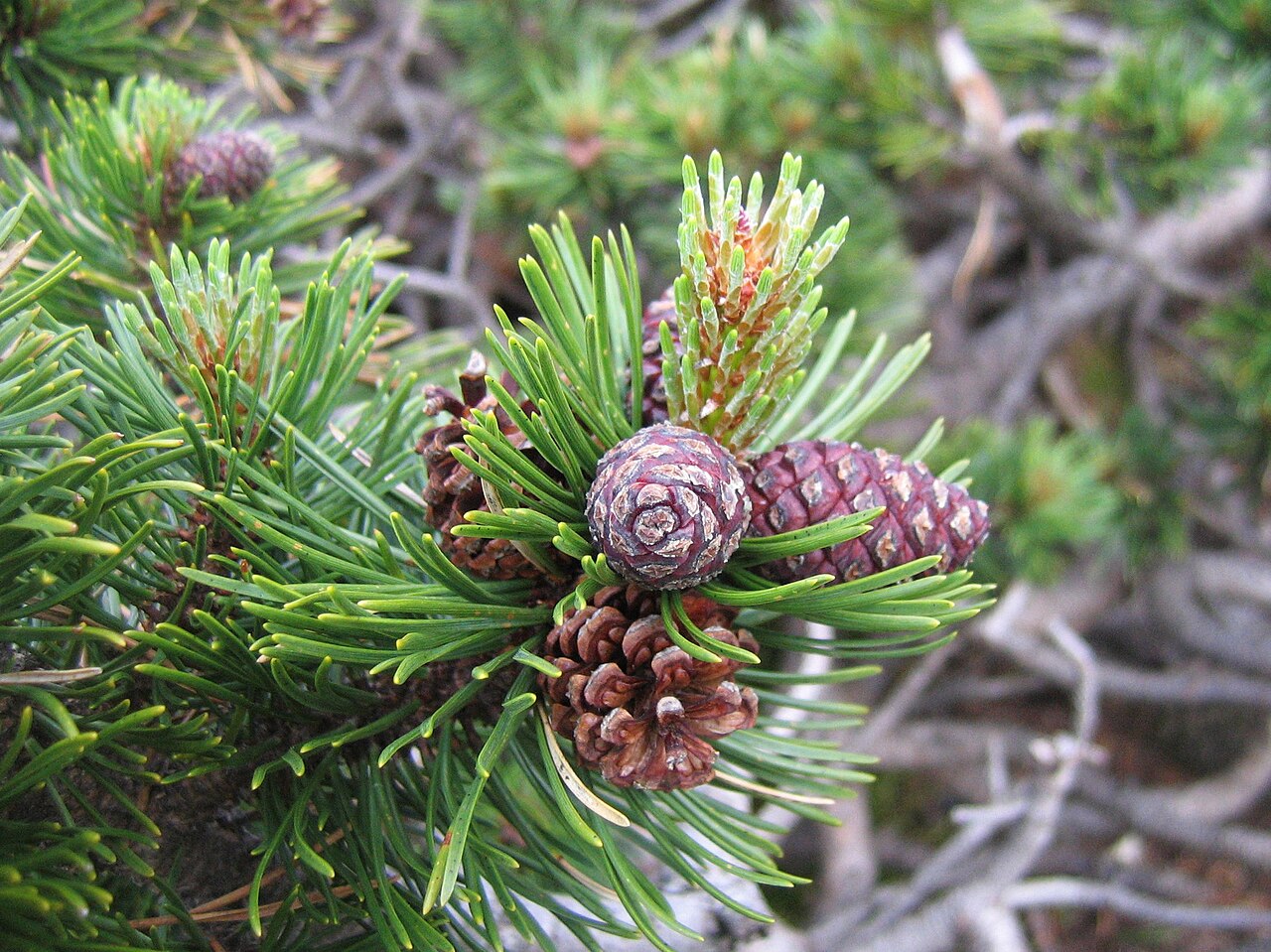 The reliable evergreen meatball, in the best way. Compact, tidy, deep green all winter. One catch, and it's a big one: buy a named dwarf cultivar ('Mops', 'Slowmound', or 'Pumilio'). Cheap seed-grown "mugo pines" from the big-box lot can balloon to 10+ feet and swallow your bed. The named dwarfs stay put.
Creeping Juniper (Juniperus horizontalis 'Blue Chip') — 8–12 in tall, spreads 4–6 ft · Full sun · Very low water
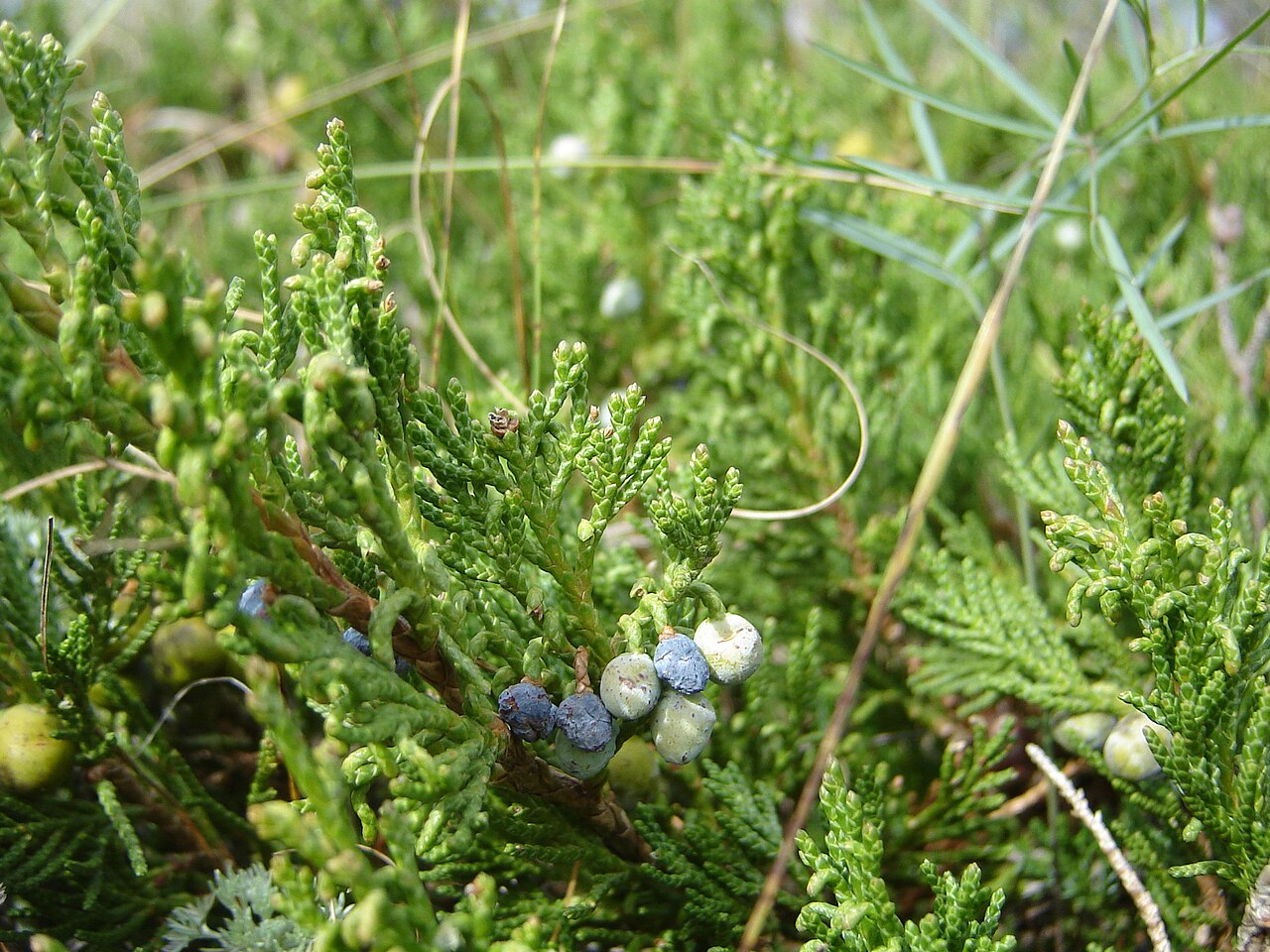 Silver-blue evergreen carpet that turns a soft plum-purple in winter cold. Bulletproof, and unbeatable for holding a slope together and choking out weeds. Use it as a low river of blue running under taller plants.
Panchito Manzanita (Arctostaphylos × coloradensis 'Panchito') — 18–24 in tall, 3–4 ft wide · Full sun to part shade · Very low water
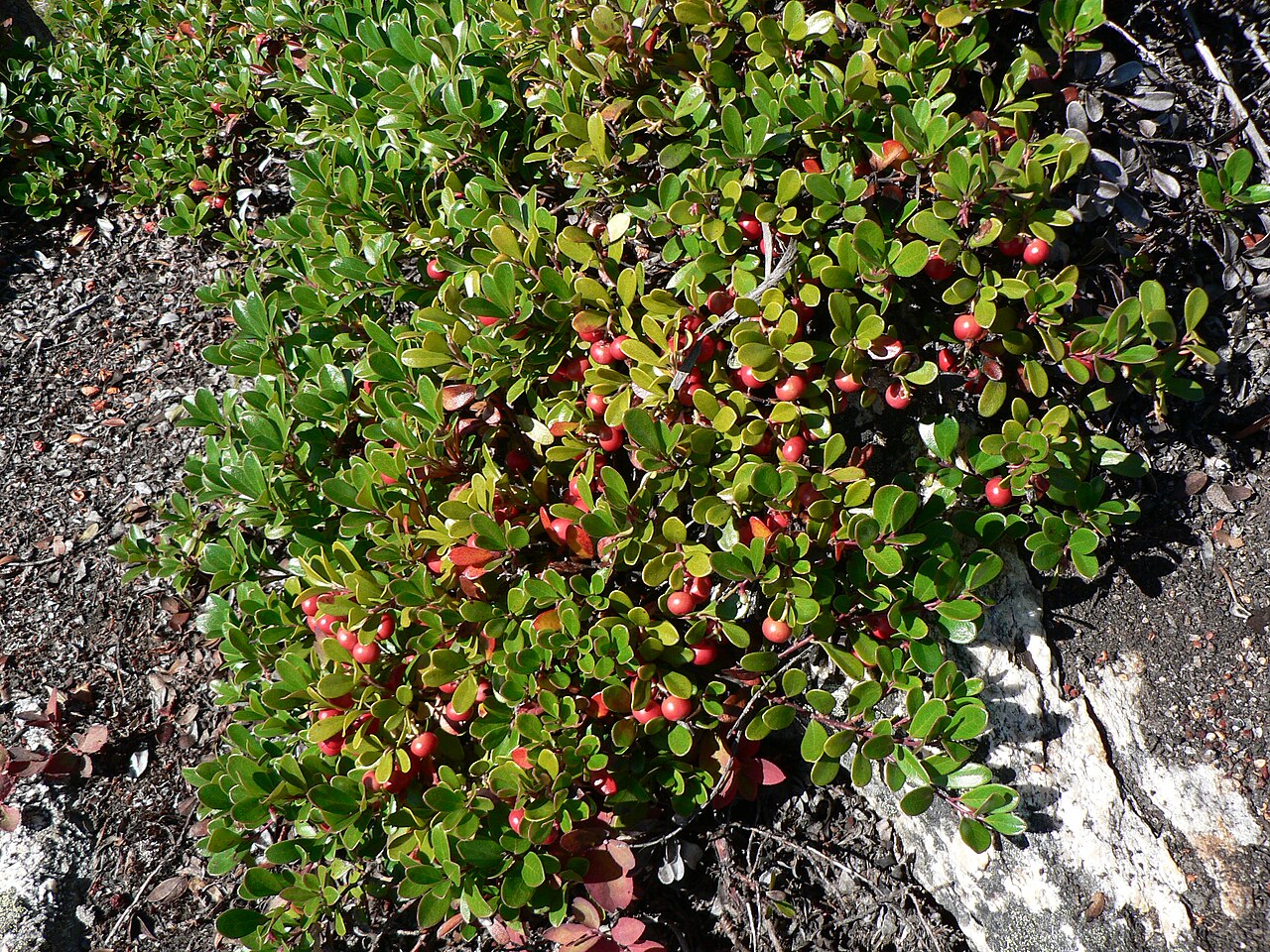 A Colorado-bred showstopper and a Plant Select star. Glossy evergreen leaves, gorgeous mahogany-red bark, and tiny pink urn-shaped flowers in early spring. Give it sharp drainage (it hates wet feet) and it'll be the plant guests ask about.
Chieftain Manzanita (Arctostaphylos 'Chieftain') — 2–3 ft+ · Full sun to part shade · Very low water Panchito's bigger, more upright cousin. Same glossy evergreen leaves and beautiful bark, more height and presence. Pair the two for an evergreen backbone with real character.
Fernbush (Chamaebatiaria millefolium) — 3–5 ft · Full sun · Very low water
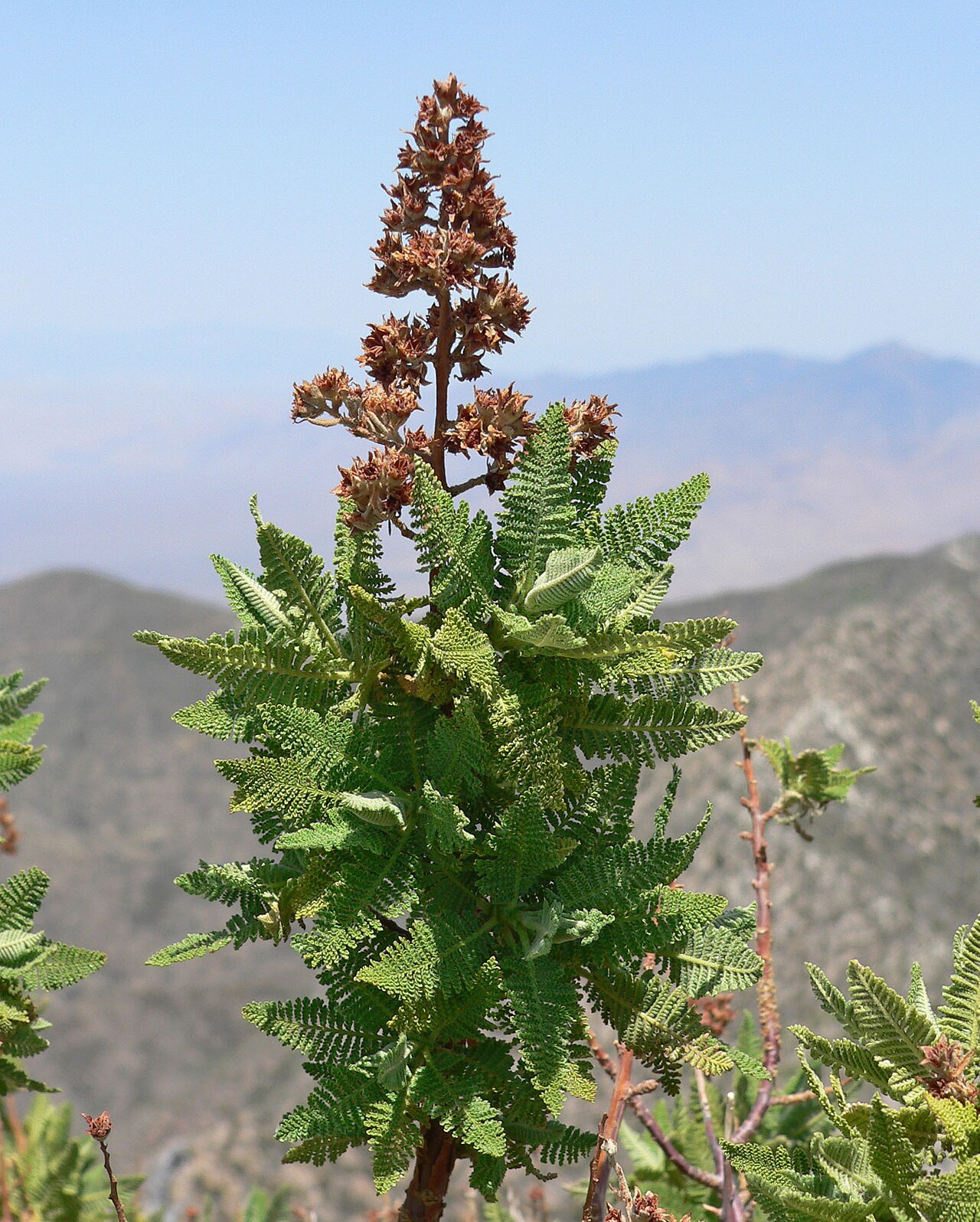 A Colorado native almost nobody plants, and they're missing out. Soft, aromatic, fern-like foliage that's semi-evergreen, topped with white spires of flower in late summer. Fantastic texture, and it smells great when you brush past it.
Sculpture: Yuccas and a Hardy Agave
Want that high-desert, architectural, "this is intentional" look? These are your exclamation points. Plant them where their form gets to show off — against gravel, at a bed corner, framed by low grasses.
Soapweed Yucca (Yucca glauca) — 2–3 ft foliage, taller in bloom · Full sun · Very low water
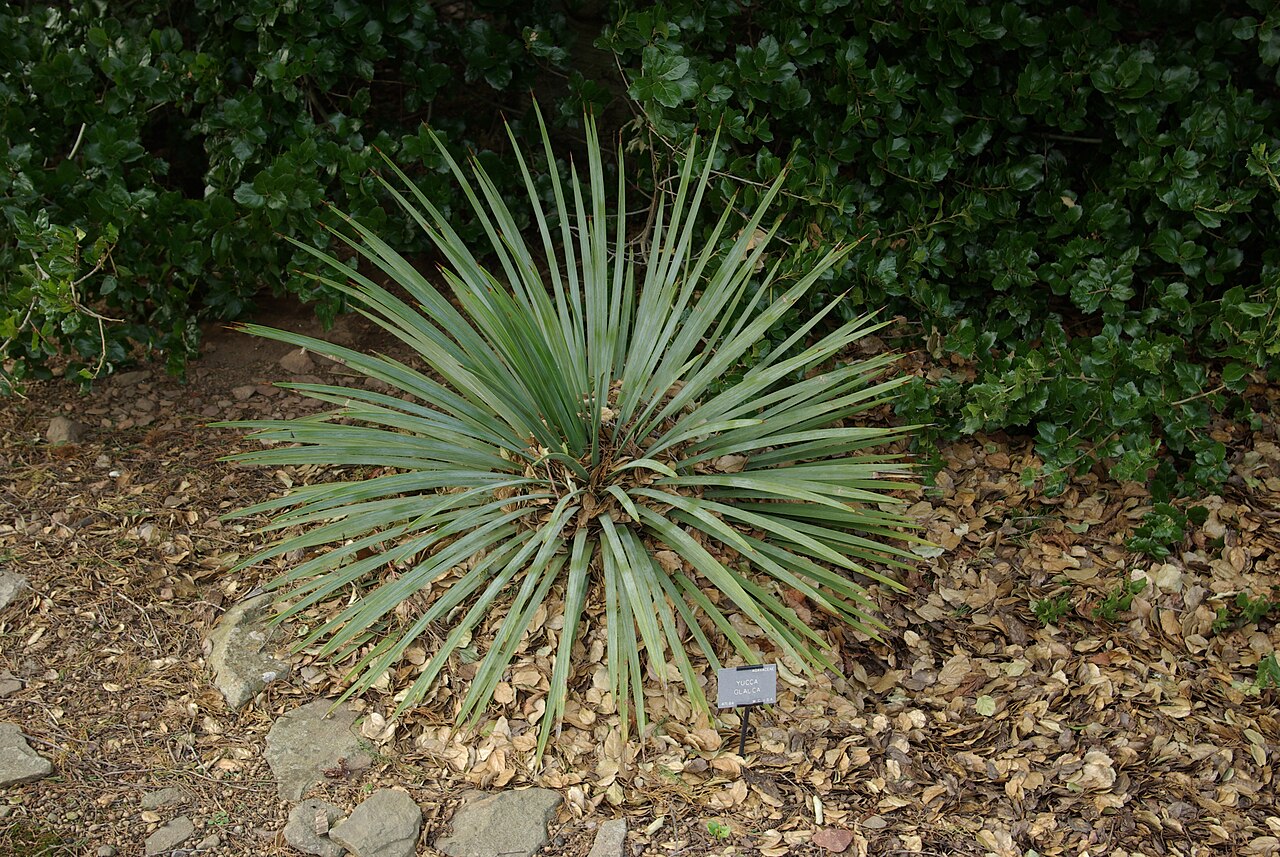 The classic short-grass-prairie yucca. Narrow blue-green blades in a tight starburst, then a dramatic spike of creamy bell flowers in early summer. Native, indestructible, and pure Colorado.
Banana Yucca (Yucca baccata) — 2–3 ft · Full sun · Very low water
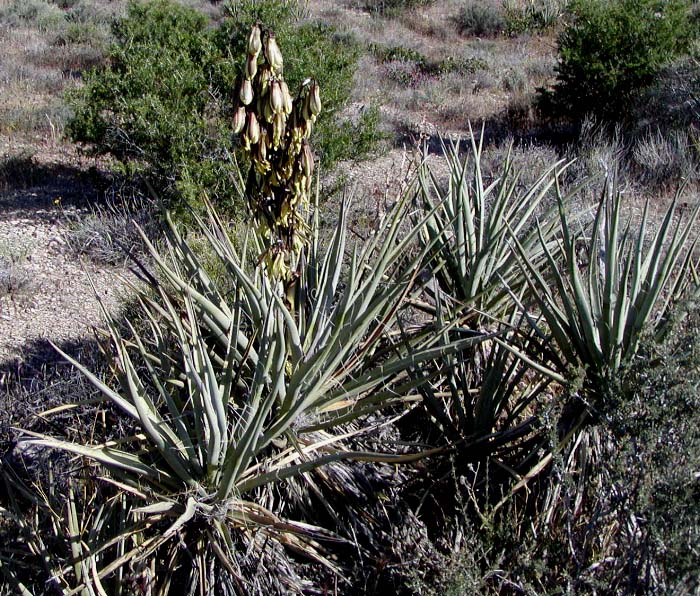 Broader, stiffer, more dramatic blue blades and fat fleshy fruit. More sculptural than soapweed — a true focal point.
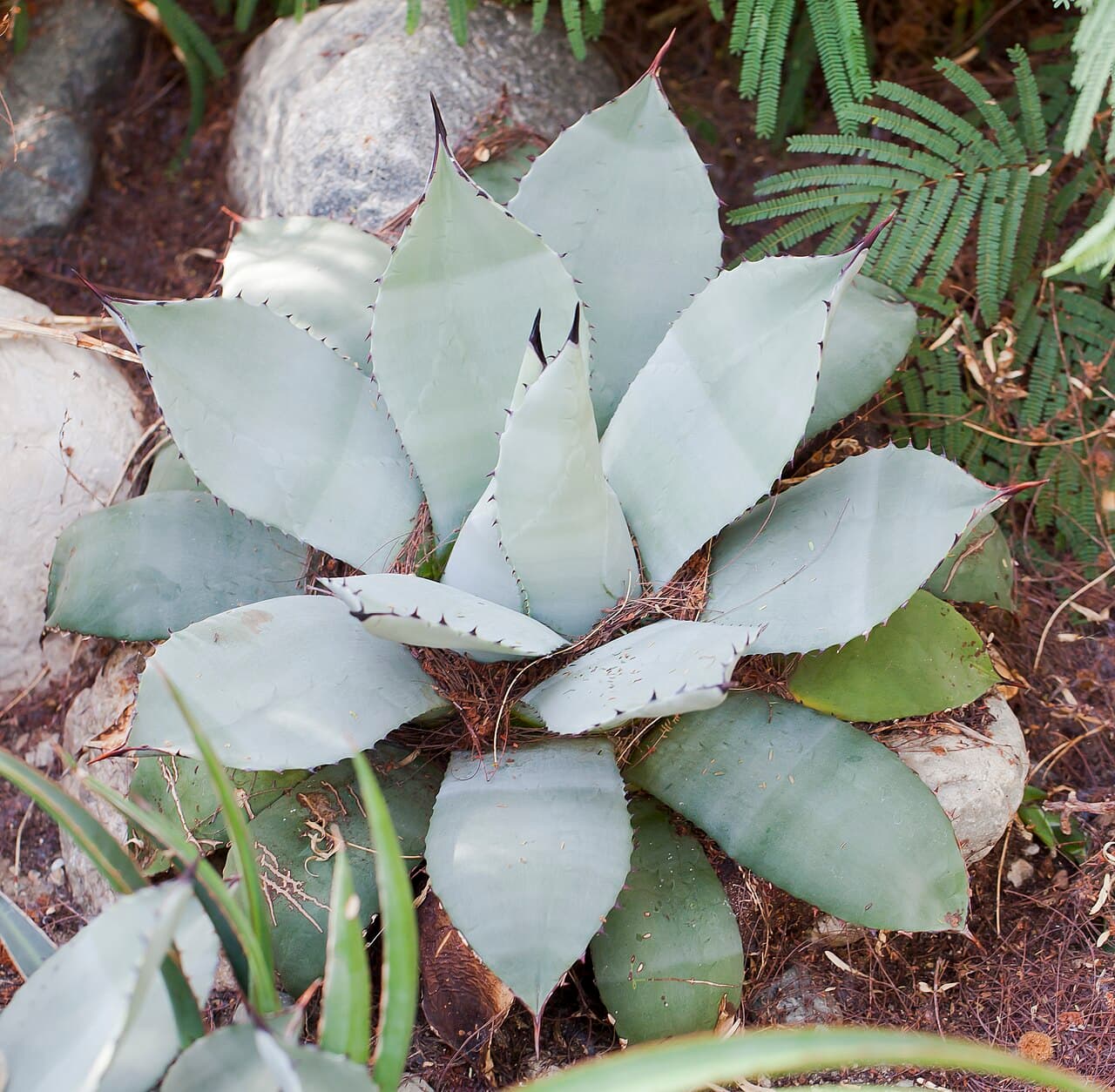
Parry's Agave (Agave parryi) — 1–2 ft rosette · Full sun · Very low water
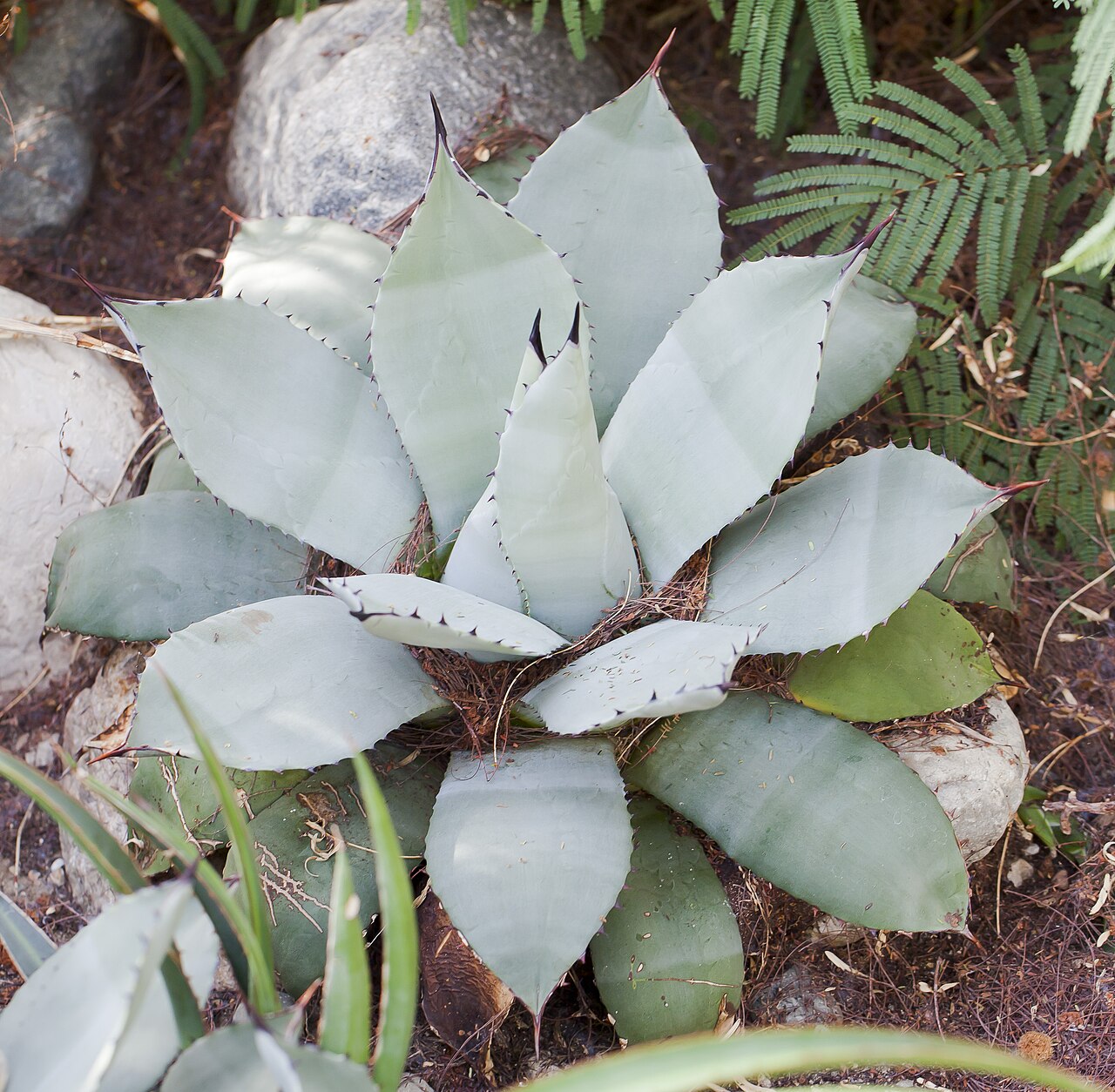 Yes, you can grow a hardy agave in Denver. This blue-gray artichoke rosette shrugs off cold down to around -20°F — but only with ruthless drainage. Plant it on a gravel berm or a raised, rocky spot, never in a clay bottom that holds water. Sharp on the tips, so keep all three of these off walkways and away from where kids and dogs run.
The Shrub Layer: Your Workhorses
Shrubs are the muscle of a xeriscape — mid-height mass, seasonal color, and pollinator fuel. These take zero babying once established.
Rabbitbrush (Ericameria nauseosa) — 3–5 ft · Full sun · Very low water
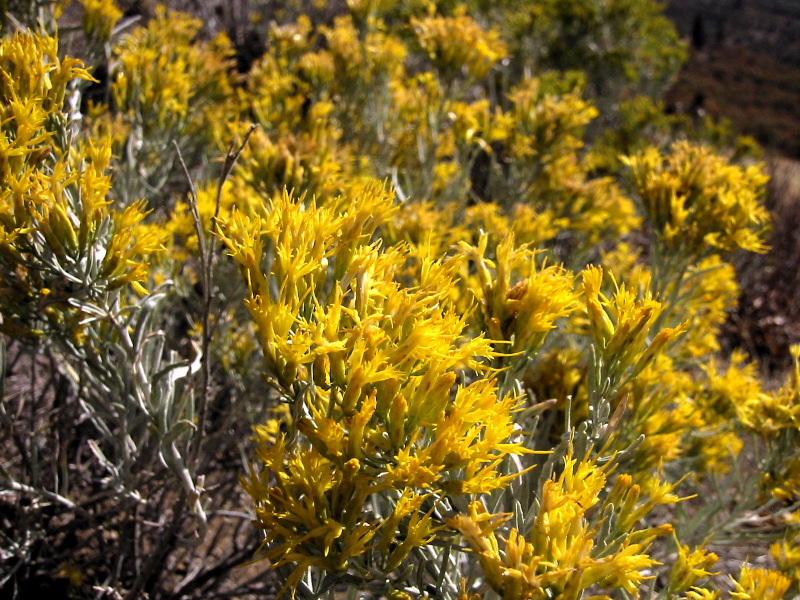 Silver stems all season, then it detonates into brilliant gold in late summer and fall, right when everything else is checking out. Bees and butterflies mob it. Gets a little wild — cut it back hard each spring to keep it dense.
Yellow Rabbitbrush (Chrysothamnus viscidiflorus) — 2–3 ft · Full sun · Very low water
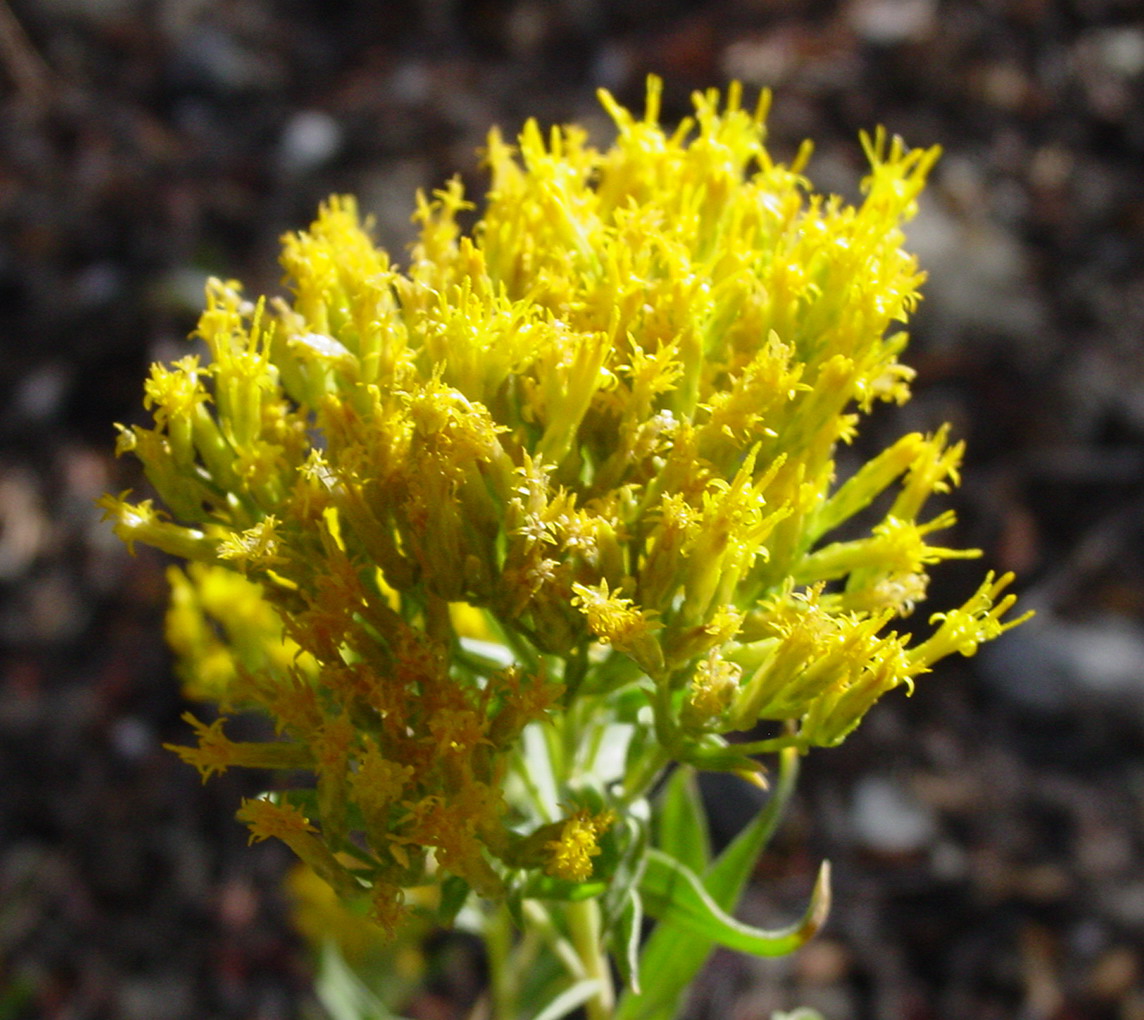 The smaller, tidier cousin. Same gold fall show, more compact footprint — better for smaller beds where full rabbitbrush would sprawl.
Apache Plume (Fallugia paradoxa) — 3–5 ft · Full sun · Very low water
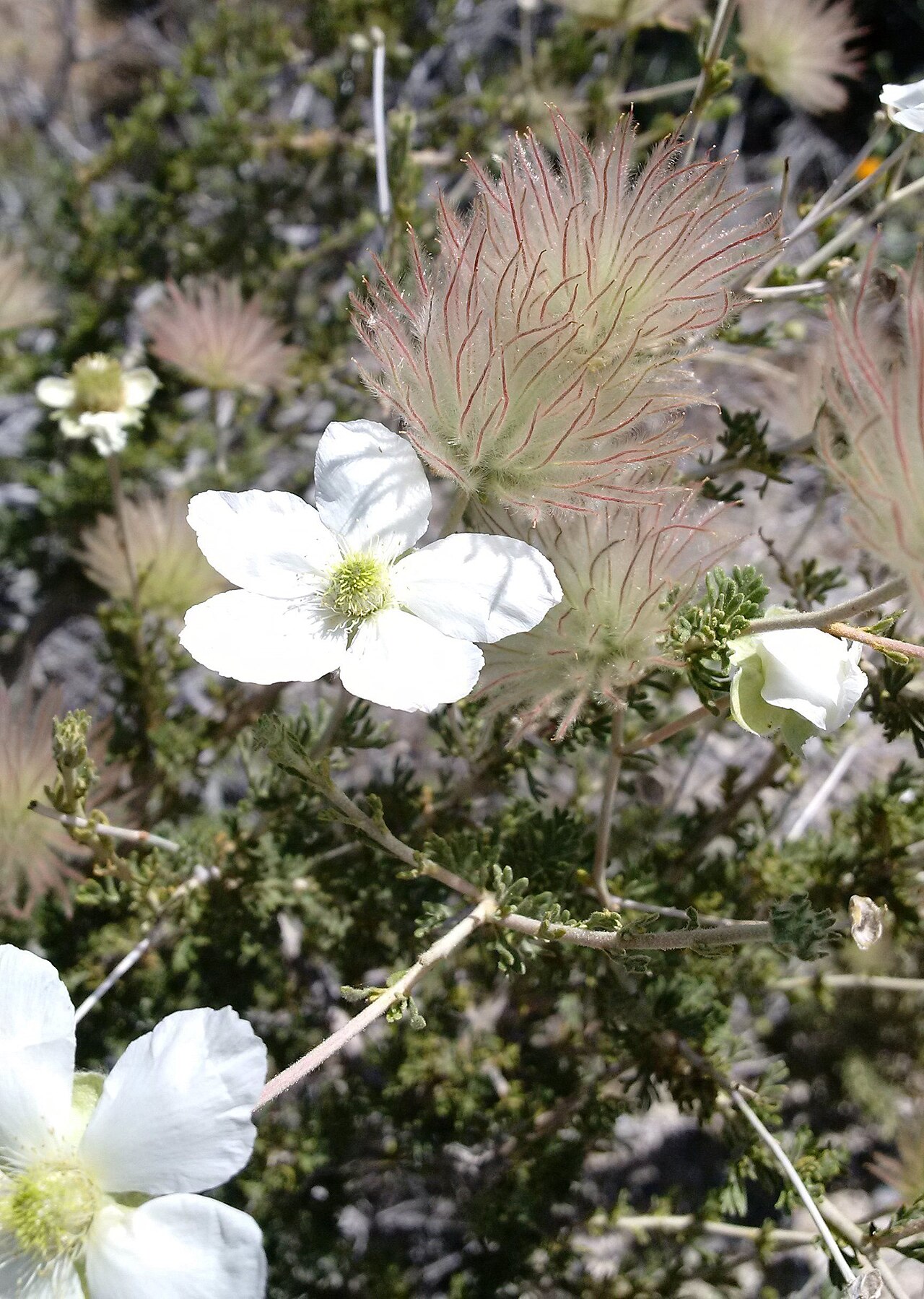 A native with a magic trick: it carries delicate white rose-like flowers and feathery pink seed plumes at the same time, all summer. Airy, semi-evergreen, and constantly in motion. Gorgeous backlit by evening sun.
Blue Mist Spirea (Caryopteris × clandonensis) — 2–3 ft · Full sun · Low water
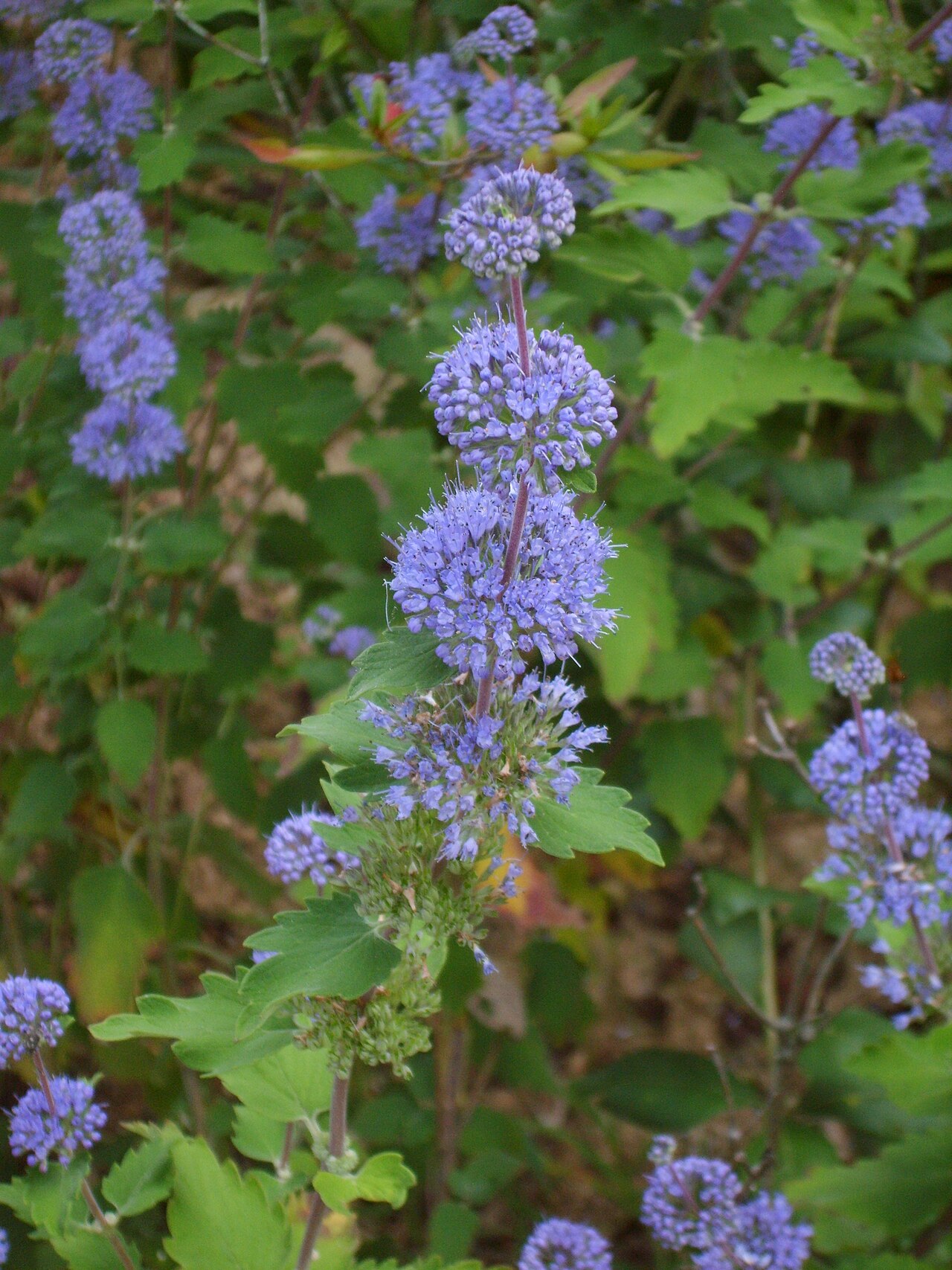 When your late-summer garden needs a jolt, this throws a haze of true-blue flowers and pulls in every bee in the neighborhood. Aromatic foliage, too. Cut it to about 6 inches in spring — it blooms on new wood.
Butterfly Bush (Buddleja) — 3–6 ft · Full sun · Low to moderate water
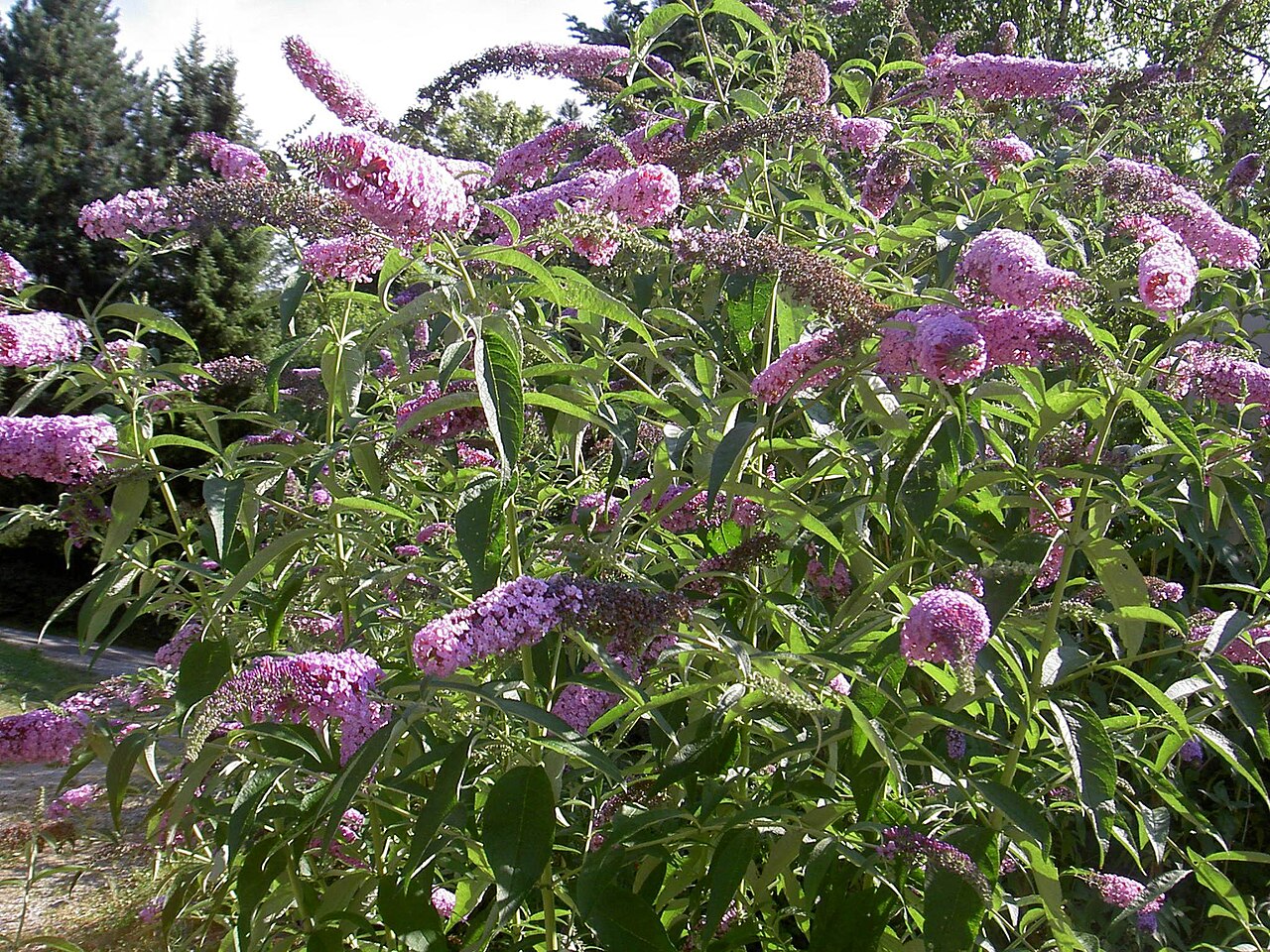 A butterfly magnet with a long summer bloom. One responsible-gardener note: the old species types can seed around aggressively, so plant a sterile dwarf cultivar (the Lo & Behold series like 'Blue Chip' is a good pick). Dies back in winter — cut to the ground in spring and it comes roaring back.
Silver and Scent: The Sages
If you want that soft, silvery, unmistakably-Western feel — and a yard that smells incredible after a rain — build in some Artemisia. They're texture, backdrop, and aromatherapy in one.
Big Sagebrush (Artemisia tridentata) — 3–6 ft+ · Full sun · Very low water
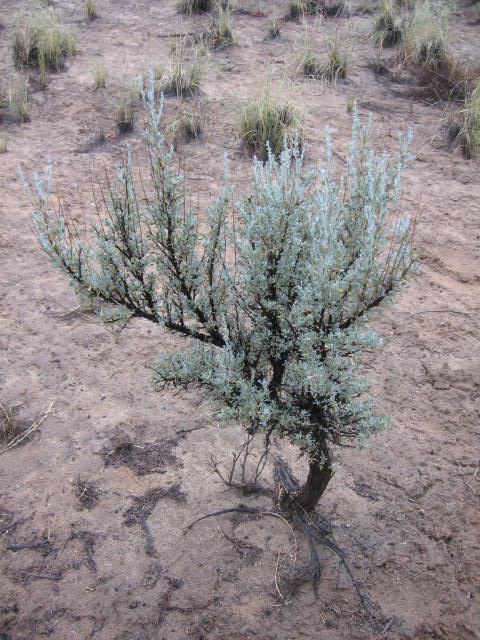 The iconic silver-gray sage of the American West, and the source of that clean, resiny "desert after rain" smell. It gets big — give it room to be the anchor of a large silver planting.
Sand Sage (Artemisia filifolia) — 2–4 ft · Full sun · Very low water
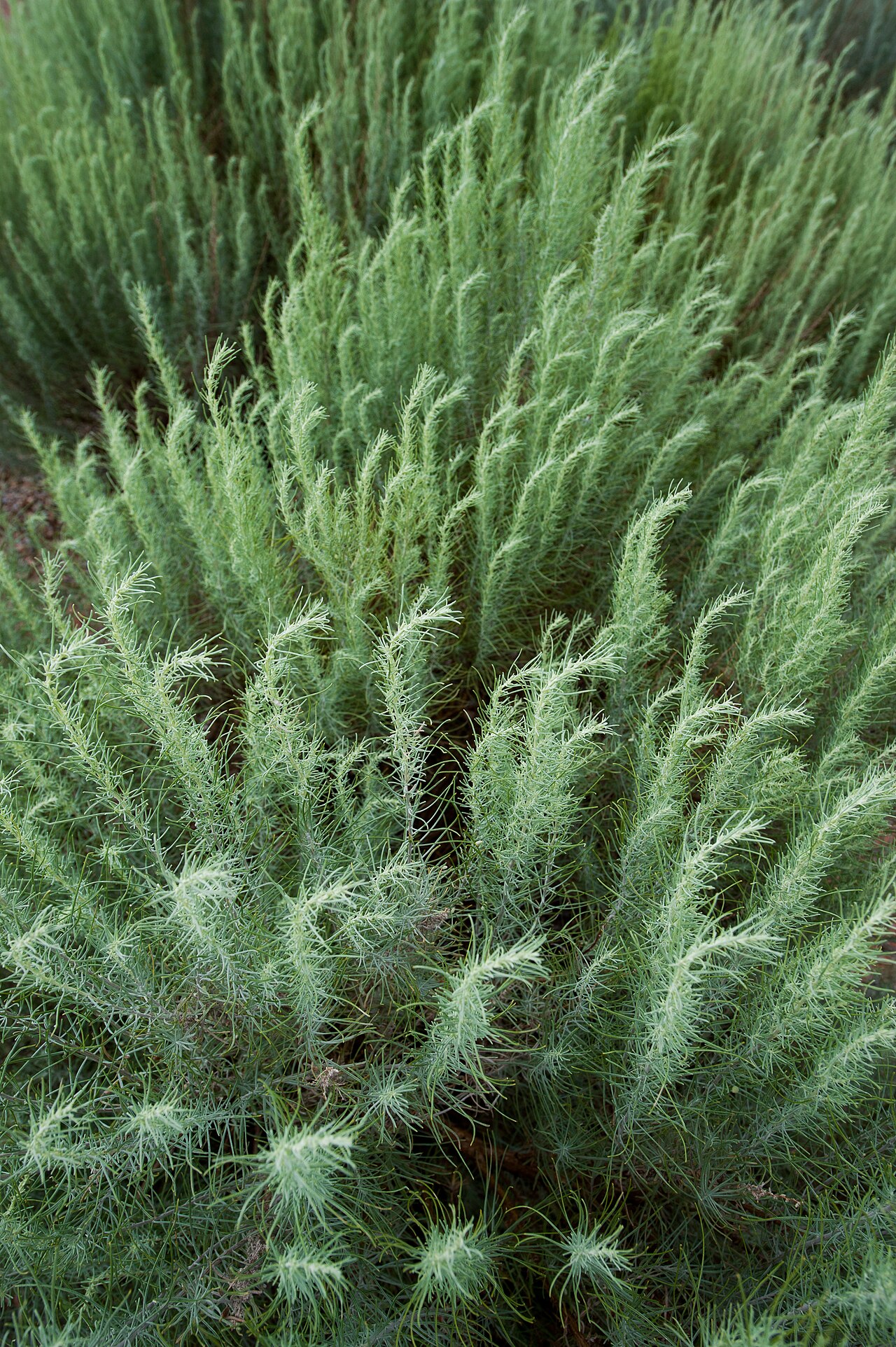 Threadlike silver foliage that reads as a soft, glowing cloud. One of the most beautiful textures you can put in a Front Range yard, and a perfect airy backdrop for bolder shapes like yucca.
Fringed Sage (Artemisia frigida) — 6–12 in · Full sun · Very low water
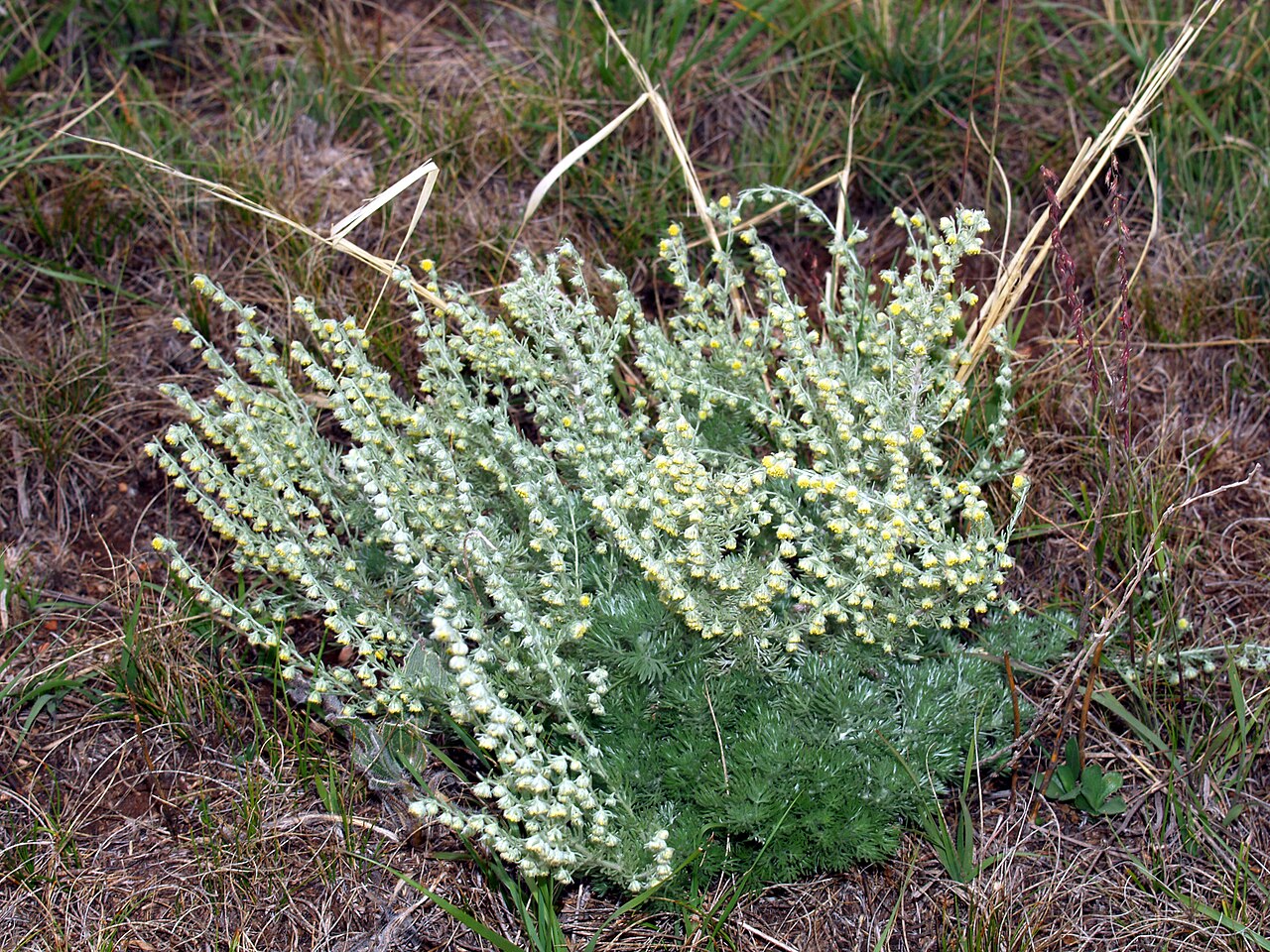 The low one. A soft silver mound/groundcover that softens bed edges and knits everything together. Cheap, tough, and endlessly useful as filler.
Trade the Lawn for Grama
If part of what you want is something to walk on that isn't thirsty turf, this is your plant.
Blue Grama (Bouteloua gracilis) — 12–18 in · Full sun · Very low water
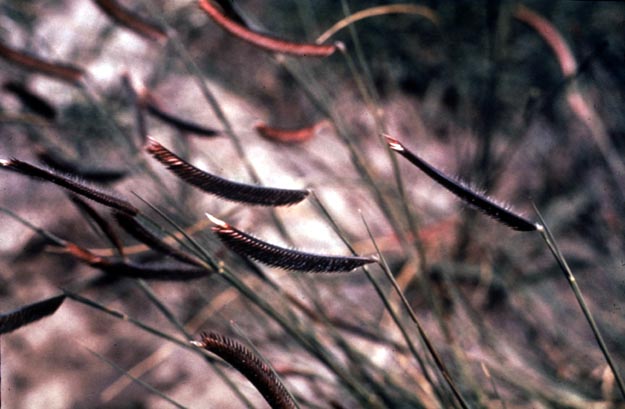 Native short-grass-prairie turf. You can mow it low as a no-mow lawn alternative, or let it stand as ornamental clumps with those quirky horizontal "eyelash" seed heads. The cultivar 'Blonde Ambition' (another Plant Select winner) turns those seed heads into chartreuse-gold eyelashes that catch light beautifully and hold all winter. Warm-season, so it greens up in late spring and goes a handsome blond in the cold — that's a feature, not a problem.
The Color Layer: Flowers and Groundcovers
Here's where people are shocked — full xeric does not mean no flowers. These low-water perennials carry color spring through frost, and most double as pollinator buffets. For how to sequence bloom times so something is always going, see colorful xeriscape plants for Denver.
Pineleaf Penstemon (Penstemon pinifolius) — 12–15 in · Full sun · Low water
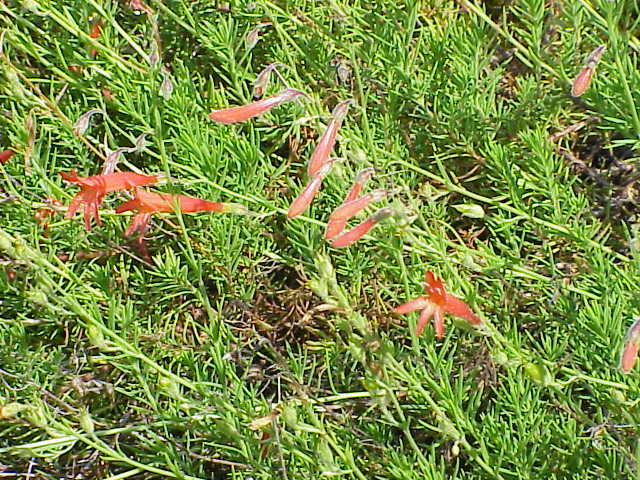 Fine, needle-like evergreen-ish foliage covered in coral-orange tubular flowers in early summer. Hummingbirds can't resist it. There's a butter-yellow form ('Mersea Yellow') if orange isn't your thing. A Plant Select classic.
Winecups (Callirhoe involucrata) — 6–12 in tall, sprawls 2–3 ft · Full sun · Low water
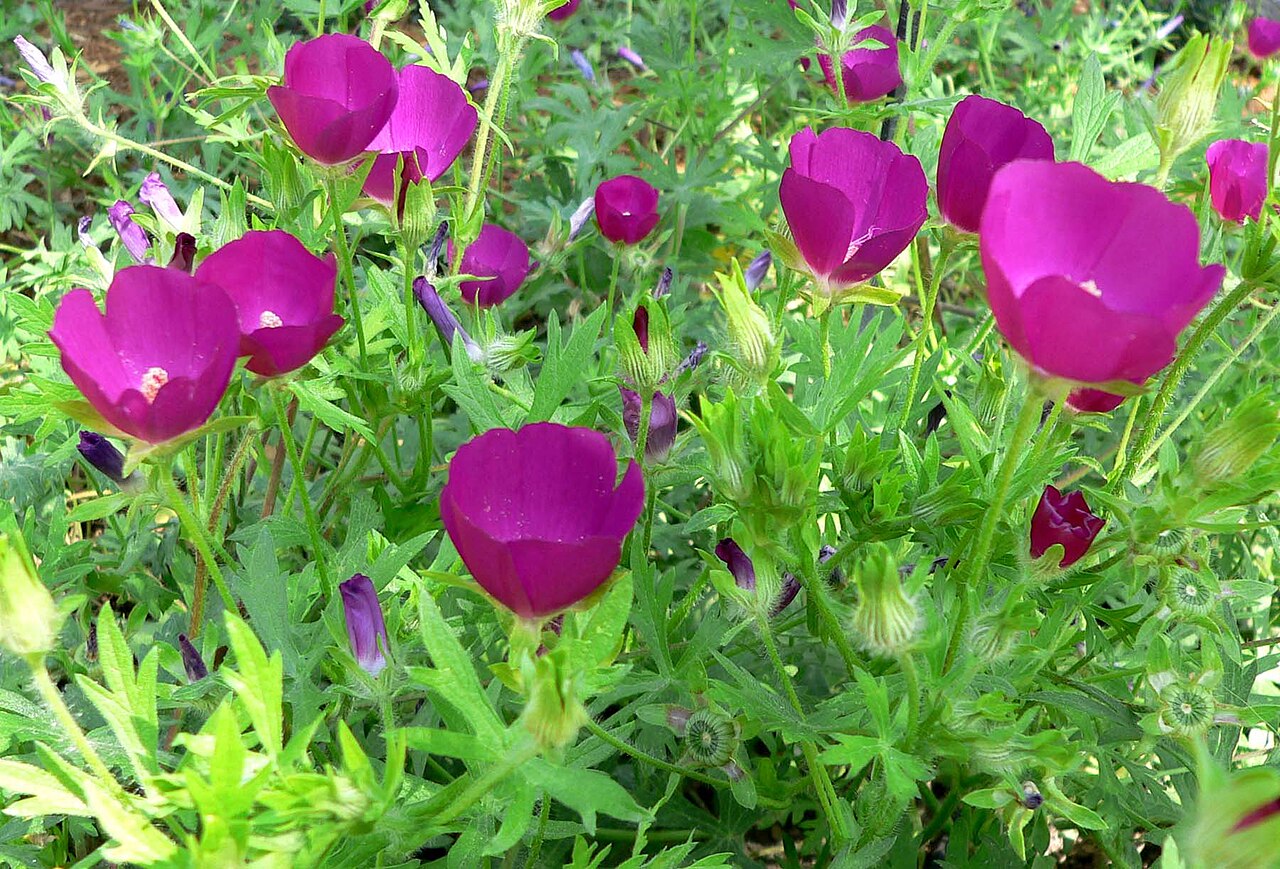 A sprawling groundcover that throws vivid magenta chalice-shaped flowers all summer long. A deep taproot makes it seriously drought-tough. Let it weave through and around your taller plants — it stitches a bed together.
Sulphur Flower Buckwheat (Eriogonum umbellatum) — 6–12 in · Full sun · Very low water
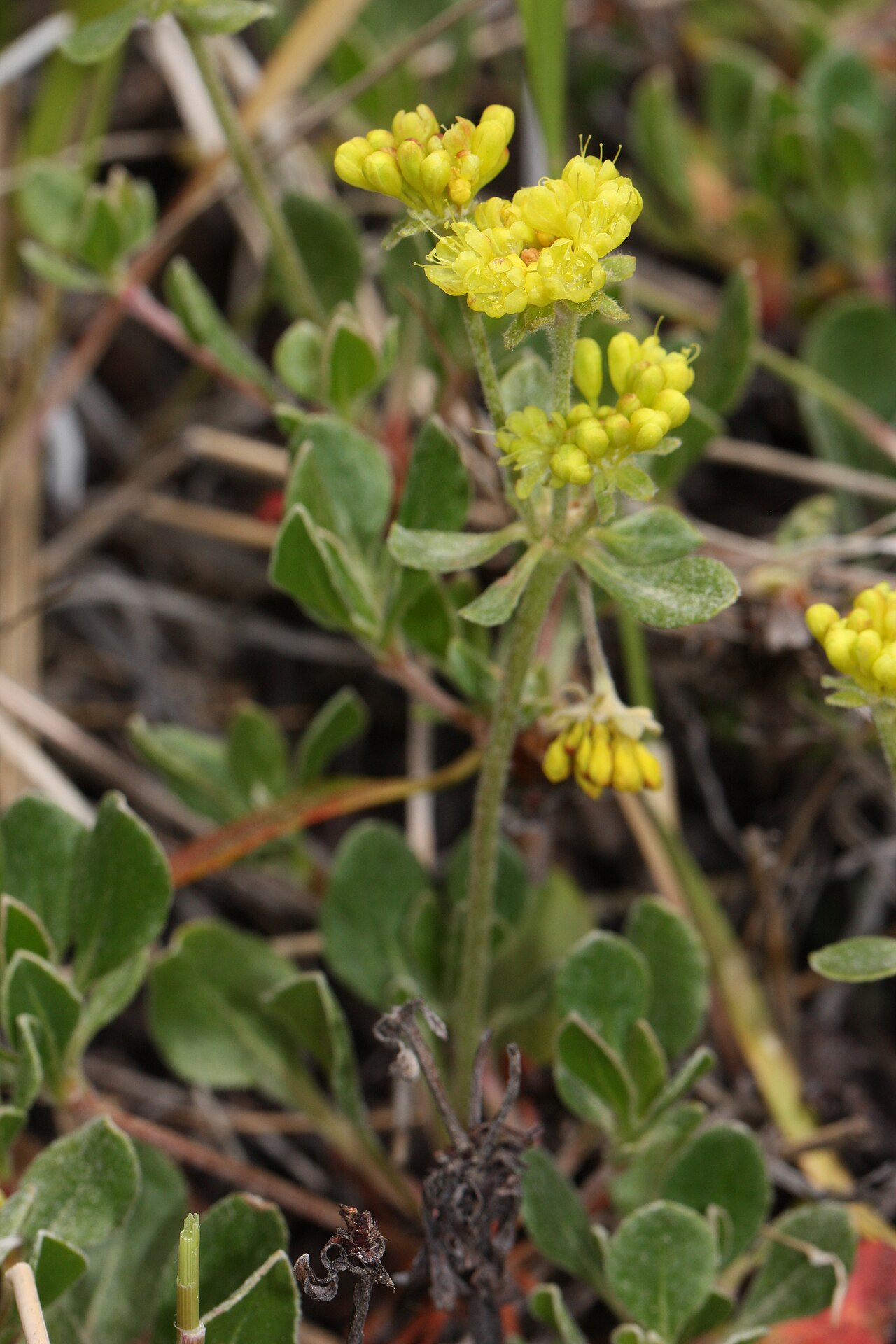 Tidy evergreen-ish mats topped with bright sulphur-yellow flower clusters that age to a rich rust. Native, pollinator-friendly, and perfect tucked into a rock garden or along a gravel edge.
Prairie Zinnia (Zinnia grandiflora) — 4–8 in · Full sun · Very low water
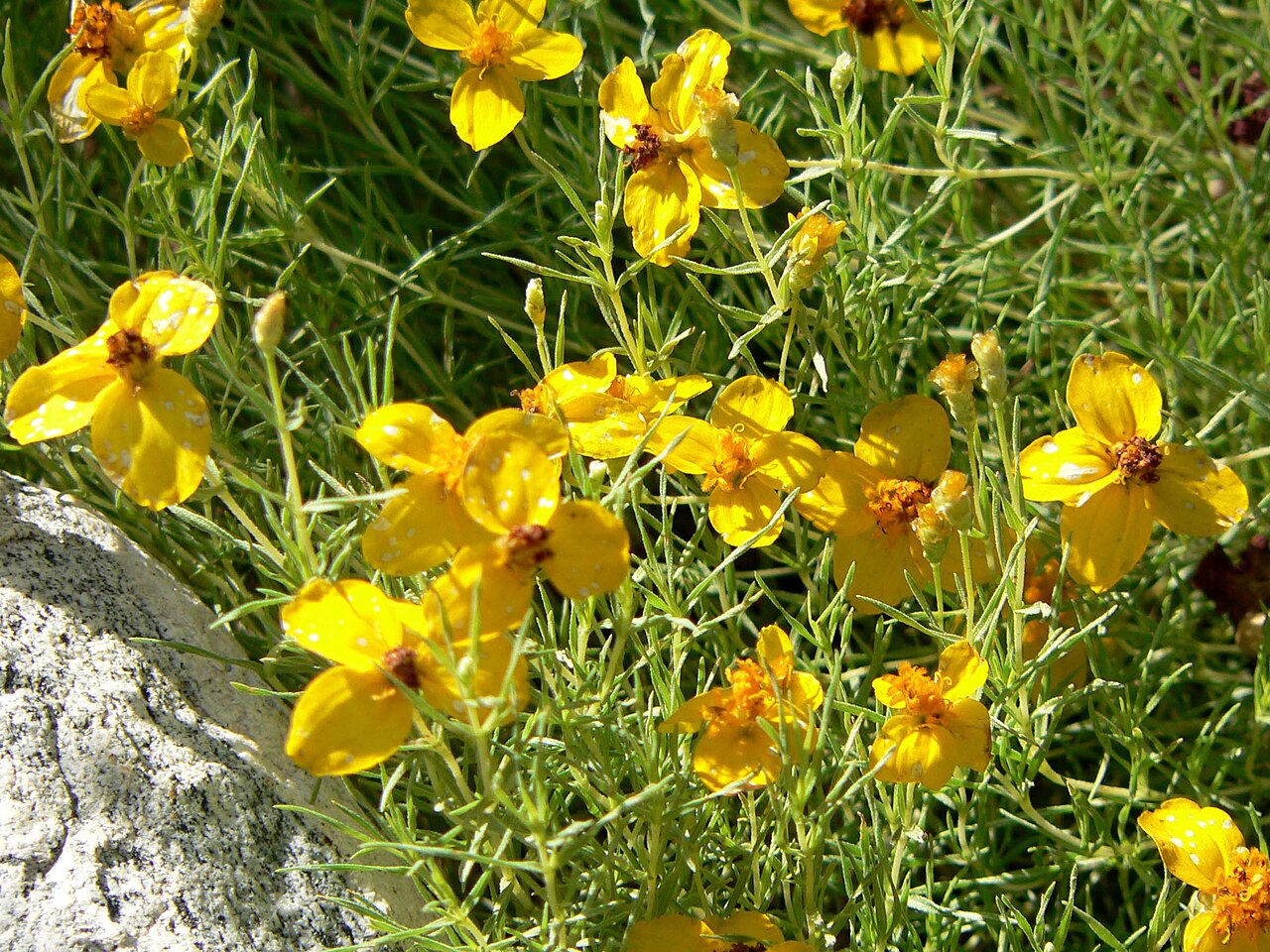 A low native mat that lights up with golden daisy flowers from midsummer into fall. Spreads slowly and politely — ideal for planting between flagstone or spilling over a low wall. Plant Select approved.
Sundancer Daisy (Tetraneuris / Hymenoxys acaulis) — 8–12 in · Full sun · Low water
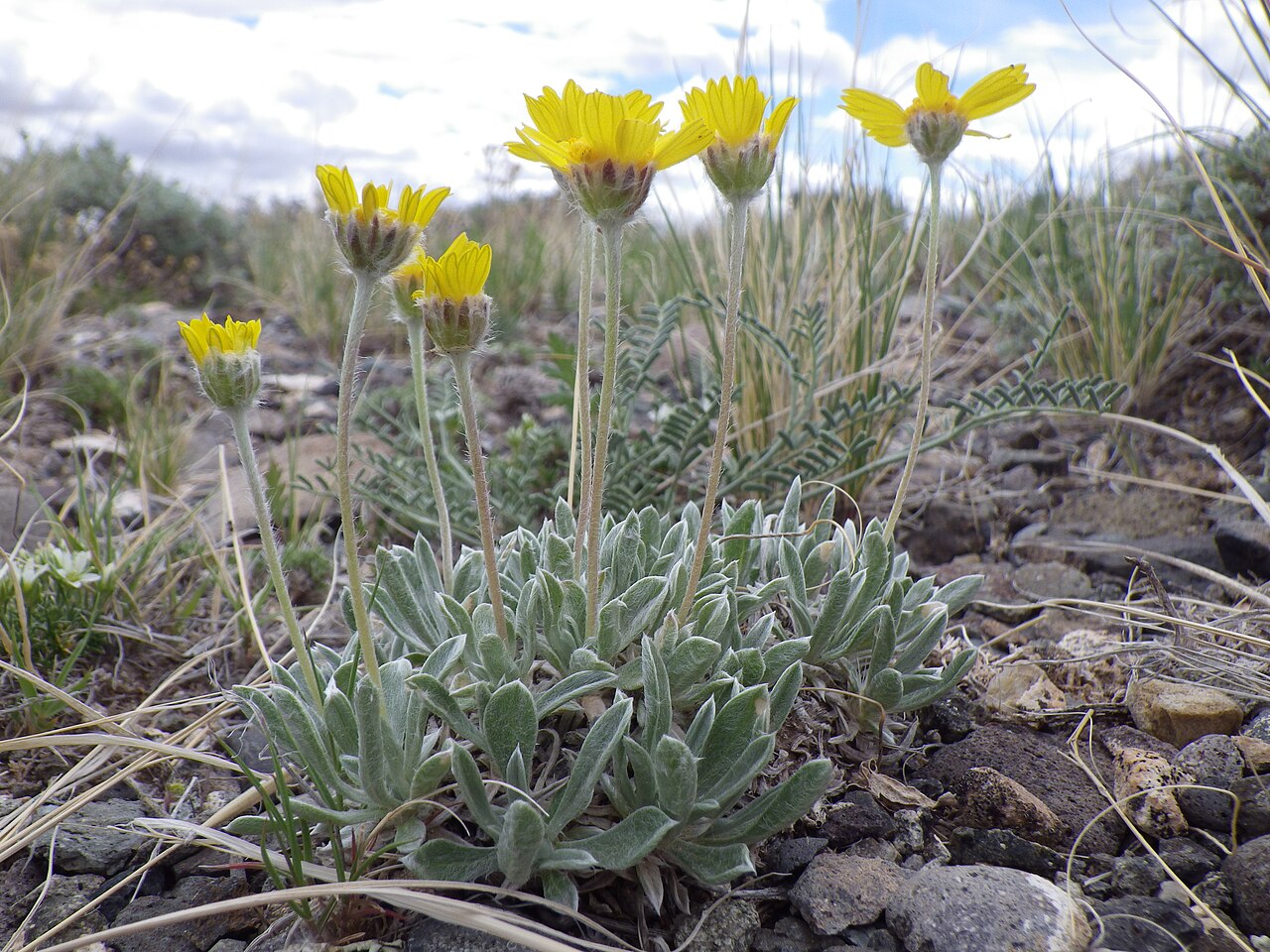 Neat little mounds of evergreen basal foliage under a nonstop supply of cheerful golden daisies — one of the longest bloom seasons of anything on this list, spring right through to frost. Tidy, dependable, and always in flower.
How to Actually Put It Together
Twenty-two plants is a menu, not a shopping list. Here's how to turn it into a yard that looks designed instead of scattered:
- Layer by height and job. Bones (junipers, mugo, manzanita) and sculpture (yucca, agave) go in first as your permanent structure. Shrubs fill the mid-layer. Grasses and flowers weave through the front and gaps.
- Plant in drifts, not singles. Three, five, or seven of the same plant reads as intentional. One of everything reads as a plant sale. Repeat a few plants around the yard to tie it together.
- Drainage or death. This is the whole game in clay. Berm up the beds, work in expanded shale or squeegee gravel, and never plant the drainage-sensitive stuff (manzanita, agave) in a low spot that stays wet.
- Mulch with rock, not bark, around the desert plants. A rock or gravel mulch keeps crowns dry, reflects heat the way these plants like, and won't rot down into a moisture blanket.
- Water them like babies — then stop. Deep, regular water the first two summers builds the deep roots that make a plant "drought-tolerant." By year three most of these want almost nothing from you. This establishment phase is the single most-skipped step, and it's why people think natives are finicky. They're not — they were just never watered in.
A Few Denver Reality Checks
- Buy true dwarf mugo pines by cultivar name, or you'll be renting a stump grinder in ten years.
- Site the spiky stuff carefully. Yuccas and agave are stunning and they will get someone on the shin. Keep them off paths.
- Choose sterile butterfly bush cultivars so you're feeding pollinators, not seeding the neighborhood.
- Give the big ones room. Big sagebrush and full rabbitbrush get large — plant for their mature size and use mulch, not crowding, to fill year-one gaps.
- Swap, don't just subtract. If you're pulling out burning bush, boxwood, or a floppy Miscanthus, our guide to native alternatives to popular landscape plants has a Front Range replacement for each.
Want to go deeper on the plant palette? Our guide to the top native plants for Denver xeriscape breaks down even more shrubs, grasses, and perennials by growing condition. And if you're weighing the whole project, here's what a xeriscape actually costs in Denver and a gallery of front-yard xeriscape ideas to steal from.
Ready to Go Full Xeric?
Xeris designs and installs water-wise, full-xeric landscapes across Denver and the Front Range — and we build them around exactly these kinds of proven, Colorado-tough plants. If you want a yard that looks alive on almost no water and mostly runs itself, request an estimate. We'll walk your site, read your soil and sun, and show you what would actually thrive where you are.
Or browse our portfolio and see full xeric in the ground. Your lawn's last summer can be this one.
Photo Credits
Plant photos are used under their respective open licenses via Wikimedia Commons:
- Dwarf mugo pine — Agnieszka Kwiecień, Nova, CC BY 2.5, via Wikimedia Commons
- Creeping juniper — SriMesh, CC BY 3.0, via Wikimedia Commons
- Manzanita groundcover — Walter Siegmund, CC BY 2.5, via Wikimedia Commons
- Fernbush — Stan Shebs, CC BY-SA 3.0, via Wikimedia Commons
- Soapweed yucca — Nick, CC BY-SA 4.0, via Wikimedia Commons
- Banana yucca — Stan Shebs, CC BY-SA 3.0, via Wikimedia Commons
- Parry's agave — Diego Delso, CC BY-SA 3.0, via Wikimedia Commons
- Rabbitbrush — No machine-readable author provided. Wsiegmund assumed (based on copyright claims)., CC BY 2.5, via Wikimedia Commons
- Yellow rabbitbrush — Wallace Keck, Public domain, via Wikimedia Commons
- Apache plume — Andrew Hart, CC BY-SA 4.0, via Wikimedia Commons
- Blue mist spirea — Dalgial, CC BY-SA 3.0, via Wikimedia Commons
- Butterfly bush — --IKAl 15:22, 23 July 2007 (UTC), CC BY-SA 2.5, via Wikimedia Commons
- Big sagebrush — Peemus, CC BY-SA 3.0, via Wikimedia Commons
- Sand sage — Neal Herbert, NPS, Public domain, via Wikimedia Commons
- Fringed sage — Jim Pisarowicz, Public domain, via Wikimedia Commons
- Blue grama — Wikimedia Commons, Public domain, via Wikimedia Commons
- Pineleaf penstemon — Kurt Stüber [1], CC BY-SA 3.0, via Wikimedia Commons
- Winecups — Stan Shebs, CC BY-SA 3.0, via Wikimedia Commons
- Sulphur flower buckwheat — Walter Siegmund (talk), CC BY-SA 3.0, via Wikimedia Commons
- Prairie zinnia — Stan Shebs, CC BY-SA 3.0, via Wikimedia Commons
- Sundancer daisy — Matt Lavin from Bozeman, Montana, USA, CC BY-SA 2.0, via Wikimedia Commons