

Landscape Design in Denver: What It Includes, What It Costs, and How to Choose a Designer
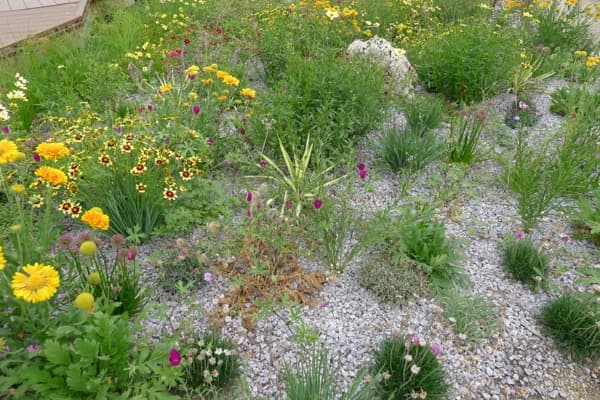
Landscape design in Denver means something different than it does in most of the country. The plants in a national magazine, the layouts borrowed from Pacific Northwest or Midwest projects, the spray irrigation copied from wetter climates — none of it translates cleanly to the Front Range.
Good Denver landscape design starts with the climate and works outward: what survives here, what thrives here, and what will still look intentional three years after installation. That applies to any yard — a front yard with a patio, a backyard built around kids and a dog, a side yard nobody knows what to do with. We design all of it through a water-wise lens, because that's what holds up here. This guide covers what a landscape design includes, what it costs, what you walk away with, and how to pick a designer. If you want to hire us for it, see our custom landscape design service.
What Landscape Design Includes
Landscape design is more than picking plants. A complete plan for a Denver residential or commercial property typically covers:
- Site analysis: Sun exposure by season, existing soil, drainage patterns, microclimates created by structures and existing trees, and prevailing wind
- Plant selection: Species chosen for Denver's USDA Zone 6a climate, water needs, root behavior, seasonal appearance, and fit with the site
- Irrigation design: Zone layout, drip emitter placement, controller programming, and compliance with your water provider's watering rules
- Hardscape layout: Patios, paths, boulder placement, edging, and ground cover materials
- Grading and drainage: Moving water away from the house and toward planted areas that can use it
- Phasing plan: For larger projects, a sequenced plan that tackles the high-impact areas first and fits the budget
Not every project needs every element. A front yard refresh may need only plant selection and an irrigation adjustment. A full property redesign needs the complete plan. The scope of the design should match the scope of the project.
For how we get from a site walk to a finished plan — site assessment, hydrozoning, plant selection, irrigation — see our step-by-step xeriscape design process guide.
What You Get From a Design
A design is only worth paying for if you walk away with something you can build from. At minimum, a Denver landscape design should give you:
- A scaled layout showing beds, paths, patio, turf (if any), and boulders
- A plant list with species, sizes, and quantities — and a reason for each one
- Material callouts — rock type and size, mulch, edging, patio surface
- An irrigation plan showing which areas are on drip, which (if any) stay on spray, and how zones are split by water need
- A line-item estimate tied to the plan, so you can see what each piece costs and phase it if you need to
If a "design" is a sketch with "native perennials" written in a circle, that's not a plan — that's a guess.
What Landscape Design Costs in Denver
Our design fee is $500, and it's credited toward the project on installs over $5,000. On most full-yard projects, that means the design effectively costs nothing extra if we build it.
For what the build itself runs — rock and planted xeriscape from $6/sq ft (most projects $6–10), hardscape from $8/sq ft, artificial turf from $10/sq ft — see our xeriscaping cost guide and our breakdown of landscaping cost in Denver.
Design-Build vs. Design Only
Design-Build (Most Common)
One company handles both design and installation. The designer knows what's available in the local plant market, how the crew installs, and what the finished product will actually look like. Most residential projects use this model — it cuts coordination and puts design accountability with the people doing the work.
Design Only
Some homeowners want a plan they can take out to bid, or install themselves over time. Design-only makes sense for phased DIY projects or for larger jobs where competitive bidding is worth the extra step. The plan needs enough specification that someone else can build it accurately.
Denver-Specific Design Considerations
Alkaline Clay Soils
Denver's native soil is heavy clay with a high pH. Many plants that thrive elsewhere fail here without major amendment. Native and adapted plants are chosen because they evolved in these conditions. When amendment is needed, it goes in during installation rather than becoming an ongoing chore.
The Wind Factor
Front Range winds are strong and consistent, especially on exposed lots. Some plants that look ideal will shred. Boulders and solid hardscape can create wind breaks that widen the plant palette for a given site.
USDA Zone and Microclimates
Most of the Denver metro is USDA Zone 6a on the 2023 map, with winter lows of -10°F to -5°F; some warm urban pockets run 6b and higher foothill-edge areas 5b (USDA Plant Hardiness Zone Map). A south-facing backyard on a dense urban block can behave warmer than the map says, while an exposed north side stays colder. The microclimate of a specific property matters more than the zone map alone.
Watering Restrictions
Denver Water declared a Stage 1 drought in March 2026: through September 30, two assigned watering days a week and no watering between 10 a.m. and 6 p.m.; from October 1, 2026, watering grass and spray irrigation are prohibited, while trees, shrubs, and other plants can still be watered by hand or with drip (Denver Water). A good design sets up irrigation that works inside those rules from day one — which is another reason planted beds belong on drip.
Snow and Winter Appearance
Denver landscapes are visible 12 months a year, and winter is long. Good design plans for winter structure — ornamental grasses that hold seed heads into January, evergreens that carry color when everything else is dormant, and boulders and hardscape that look intentional under snow.
How to Choose a Landscape Designer in Denver
- Ask why each plant is on the list. Every plant in a Denver design should have a reason tied to sun, soil, water, and cold. If the answer is "it looks nice," or the list is full of plants that want consistently moist soil, the design won't perform the way it looks on paper.
- Look at Denver work, a year or two out. Photos taken the day the crew left don't tell you much. Ask to see local projects after a full season.
- Ask how irrigation is handled. Plants with different water needs should be on different zones. If the designer can't explain the zoning, expect overwatered natives or thirsty perennials.
- Make sure the plan is buildable. You should get a layout, plant list, materials, and an estimate tied to them — not just a mood board.
- Clarify the fee. Know upfront what the design costs and whether it's credited if you build with the same company.
If you're also comparing installers, our guide to choosing a xeriscape contractor in Denver covers the questions to ask and the red flags that show up in proposals.
Frequently Asked Questions About Landscape Design in Denver
Do I need a licensed landscape architect?
For most residential projects, a landscape designer or design-build company is enough. Larger commercial or public projects with engineered grading and drainage often call for a licensed landscape architect.
How long does design take before installation can start?
For a typical residential project, plan on 2–4 weeks from the first site visit to an approved plan. Installation scheduling runs longer in spring and fall, so start the design conversation early if you're aiming for spring.
Can I make changes after the design is approved?
Small adjustments are usually easy during installation. Big changes after approval may mean a revision and can affect plant and material orders. The cleaner path is to settle questions before the plan is final.
What if I only want to redesign part of my yard?
Partial redesigns are common — front yard only, backyard only, or one problem area. The one thing to watch is irrigation: if the new area shares a zone with parts of the yard you're not changing, the zone has to account for the new plant mix.
Ready to Start Your Landscape Design?
We handle the full process — site visit, design, material selection, and build — across Denver and the surrounding metro. Request an estimate and we'll walk your property and give you a straight picture of what's possible.