

Front Yard Landscaping in Denver: Xeriscape Designs That Improve Curb Appeal
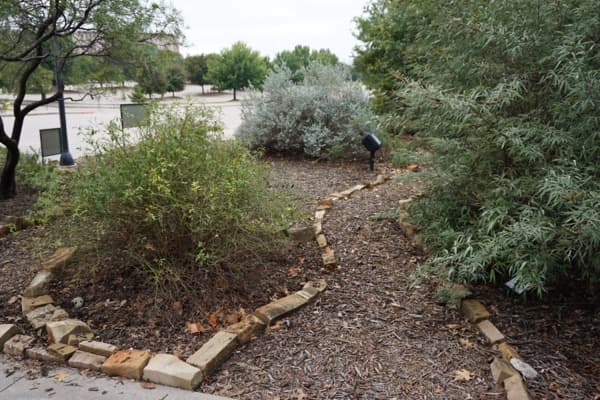
The front yard is the highest-visibility part of any Denver property. It's what neighbors see every day, what buyers evaluate from the curb, and what sets the impression for everything behind it. It's also, for most Denver homeowners, the part of the yard that requires the most water and delivers the least usable space.
Front yard xeriscape changes that equation. The results — when designed well — are landscapes that look more deliberate and more interesting than a rectangle of bluegrass, require a fraction of the maintenance, and hold up through Denver's heat, drought, and temperature swings without the stress that traditional turf shows by midsummer.
Why Front Yards Are the Highest-Impact Landscaping Project in Denver
Most Denver homeowners spend significantly more time maintaining their front yard than they spend actually using it. It's a performance space — maintained for appearance rather than function. Xeriscape front yard design inverts that logic: less maintenance, better appearance year-round, and a landscape that improves as plants establish rather than declining under irrigation stress.
Front yards are also where curb appeal lives. A xeriscape front yard done well — structured plantings, defined edges, intentional hardscape, seasonal color from native perennials — reads as high-end landscaping rather than as an absence of grass. Done poorly, it reads as neglect. The difference is in the design.
For homeowners thinking about resale, it's worth noting that drought-tolerant landscaping has become an active selling point in the Denver market. Buyers increasingly see low-water landscaping as a feature rather than a tradeoff, particularly as water costs and seasonal restrictions have become more prominent.
What Front Yard Xeriscape Looks Like in Denver
There's no single look for xeriscape front yards. The design should match the house style, the neighborhood context, and the homeowner's preferences. Common approaches in Denver:
The Native Garden
Mass plantings of Colorado native plants — penstemons, blue grama grass, rabbitbrush, Apache plume, prairie smoke — with organic mulch and defined borders. Looks naturalistic but structured. Heavy on seasonal color from late spring through fall. Strong winter interest from seed heads and dried grasses.
The Structured Xeriscape
Geometric or semi-formal layouts with decomposed granite groundcover, low ornamental shrubs, accent boulders, and a defined pathway to the front door. Clean, architectural, and low-maintenance. Works particularly well with modern and contemporary home styles.
The Meadow Conversion
Replacing bluegrass with native grass species — blue grama, buffalo grass, sideoats grama — that require dramatically less water and mowing than traditional turf. Keeps a grass-like appearance while cutting water use by 60–80%. A good middle ground for homeowners who want a transition without a full hardscape conversion.
The Rock Garden
Boulders, flagstone paths, low-growing sedums and succulents, and ornamental grasses in a layered composition. Works well on slopes where turf is difficult to maintain and erosion is a concern. Provides strong structure year-round.
The Cottage Xeriscape
Lush-looking plantings that happen to be drought-tolerant — Russian sage, catmint, salvia, ornamental alliums, and lavender mixed with native perennials. Achieves a traditional cottage garden aesthetic with a fraction of the water. Particularly effective for craftsman and bungalow-style homes.
Denver-Specific Front Yard Considerations
Street Buffers and Parkways
The strip between the sidewalk and the street — the parkway or hell strip — is often city-owned but homeowner-maintained. It's one of the hardest areas to keep watered and mowed. Denver allows xeriscape in parkway areas under current guidelines, and many neighborhoods have converted these strips to gravel, native groundcover, or low ornamental plantings. Check with Denver's Right-of-Way department for current plant height and material restrictions in your area.
Sun and Wind Exposure
South- and west-facing front yards get the most intense Denver sun and often the most wind. This is actually an advantage for xeriscape — the drought-adapted plants selected for these conditions tend to be the most visually interesting: agaves, yuccas, ornamental grasses, and heat-loving perennials that would struggle in shadier, moister locations.
Slope and Drainage
Many Denver front yards slope toward the street, which creates both drainage opportunity and erosion risk. Xeriscape design on slopes typically incorporates terracing, boulder placement to slow water movement, and plants with deep root systems that hold soil. The result is a slope that's stable, doesn't require edging maintenance, and looks more designed than flat turf would.
Soil Depth and Quality
Denver front yards — particularly in older neighborhoods — often have shallow topsoil over compacted clay. In some cases, the topsoil was graded away during construction and never replaced. A soil assessment during design determines whether amendment is needed before planting, which matters significantly for plant establishment success in year one.
HOA Considerations for Denver Front Yard Landscaping
Homeowners in HOA communities need to review their CC&Rs and architectural guidelines before starting a front yard xeriscape project. The landscape has changed significantly over the past decade:
- Many HOAs have updated their guidelines to explicitly allow xeriscape as water costs and restrictions have increased. If your HOA guidelines are more than a few years old, check whether they've been updated.
- Colorado's xeriscape law (C.R.S. 38-33.3-106.5) prohibits HOAs from unreasonably restricting xeriscape, though they can still require that drought-tolerant landscaping be maintained and well-designed. The law gives homeowners significant protection if an HOA attempts to prohibit xeriscape outright.
- Pre-approval processes vary by HOA. Most require submitting a design plan for architectural review before installation. Getting approval in writing before breaking ground avoids disputes after the fact.
- Design quality matters for approvals. An HOA reviewing a professional plan with specific plant lists, edging details, and hardscape specifications is more likely to approve it quickly than a hand-sketched plan with vague plant descriptions.
The Front Yard Xeriscape Process and Timeline
A typical Denver front yard xeriscape project follows this sequence:
- Site assessment and consultation: 1–2 hours on site, reviewing the space, discussing goals, and assessing sun, soil, and existing irrigation. This happens before any design work begins.
- Design plan: 1–3 weeks to produce a plan for review. For straightforward projects, this may be a simplified plan reviewed on-site rather than a formal deliverable.
- HOA submission (if applicable): 2–4 weeks for HOA review, depending on the board's meeting schedule. Plan ahead if HOA approval is required.
- Installation scheduling: 4–8 weeks out during spring and fall peak seasons. Earlier scheduling requests get earlier installation windows.
- Installation: Most front yard projects complete in 3–5 days. Irrigation modifications are done first, then hardscape, then plants and mulch.
- Establishment: First growing season requires more frequent watering — typically 2–3 times per week for the first 6–8 weeks, then tapering. Most plants are fully established and significantly drought-tolerant by end of year two.
What Front Yard Landscaping Costs in Denver
Front yard xeriscape costs depend on yard size, existing irrigation, hardscape scope, and plant selection. Typical ranges:
- Small front yard (under 500 sq ft): $3,000–$8,000
- Mid-size front yard (500–1,500 sq ft): $7,000–$18,000
- Large front yard (1,500+ sq ft): $15,000–$35,000+
Variables that affect cost significantly: amount of hardscape (decomposed granite and flagstone add cost but reduce ongoing maintenance), irrigation modifications, whether existing plants are retained or removed, and boulder work.
Denver Water's rebate program offers qualifying homeowners up to $750 for turf removal projects. See our Denver xeriscape rebates guide for current program details and eligibility requirements. For a full cost breakdown by project type, see our xeriscape cost guide.
Frequently Asked Questions About Front Yard Landscaping in Denver
Will my front yard look bare or unfinished after xeriscape installation?
In the first season, yes — plantings take time to fill in. By year two, most xeriscape designs have closed in significantly. By year three, they typically look as full or fuller than the original design intended. This is a normal part of the process and not a sign of a problem. Selecting plants appropriate for the size of the space — rather than undersizing to save on initial cost — accelerates how quickly the design looks complete.
Can I keep a small grass area in my xeriscape front yard?
Yes. A small defined turf panel — for kids, dogs, or just visual preference — can work within a xeriscape design as long as it's on a separate irrigation zone from the drought-tolerant plantings. The key is keeping the turf panel intentional and bounded rather than as a remnant of a larger lawn.
How much will I actually save on water?
Most Denver homeowners see 50–70% reductions in outdoor water use after converting front yard turf to xeriscape. The exact amount depends on how much turf was replaced, what plants were selected, and how well the new irrigation system is programmed. A front yard that was using 15,000–20,000 gallons per summer often drops to 4,000–7,000 gallons after conversion.
What's the best time of year to do a front yard xeriscape in Denver?
Fall (August–October) is typically the best window for Front Range installations. Cooler temperatures and more consistent moisture help plants establish root systems before winter dormancy. Spring (April–June) also works well but requires closer attention to watering through the first summer. See our timing guide for Denver xeriscape for more detail.
How do I maintain a xeriscape front yard once it's established?
Established xeriscape requires far less maintenance than turf — no weekly mowing, no fertilizing, no aerating. Typical maintenance for an established xeriscape front yard: spring cleanup and pruning (1–2 hours or one service visit), midsummer check and irrigation adjustment, and fall cleanup before dormancy. Most homeowners do this themselves or with 2–3 annual service visits. See our xeriscape maintenance guide for a full seasonal schedule.
Ready to Transform Your Front Yard?
Xeris designs and installs front yard xeriscapes across Denver — curb appeal that looks intentional, holds up through the season, and costs you almost nothing to maintain.