

Best Time to Xeriscape in Denver: Spring vs. Fall and What to Avoid
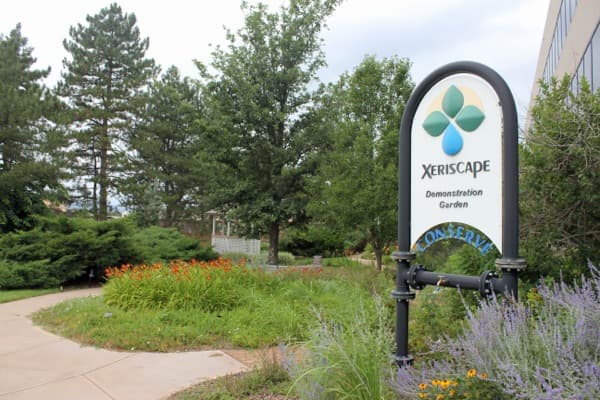
Timing a xeriscape project in Denver matters more than most homeowners expect. Get it right and plants establish before the stressful seasons hit — they're rooted and resilient heading into their first summer or winter. Get it wrong and you're nursing plants through heat stress right after planting, or watching new transplants freeze before they have a root system to protect them.
Here's what actually works for Denver's climate, and when to schedule each phase of a xeriscape project.
Denver's Two Planting Windows
Denver has two reliable planting windows for xeriscape projects: spring (late April through June) and fall (September through mid-October). Both work. They have different tradeoffs. Most experienced landscapers in Denver will tell you fall is slightly better for woody plants and shrubs — spring is slightly better for perennials and grasses.
Spring Window: Late April – June
The primary planting season for most Denver homeowners. After the last frost (average mid-May in Denver), temperatures are mild and moisture is more reliable than in summer. Plants have the full growing season ahead of them to root before winter arrives.
Advantages:
- Mild temperatures reduce transplant shock
- Spring rains reduce irrigation burden during establishment
- Full growing season ahead for root development
- Perennials and native grasses establish quickly in warming soil
- Best timing to see seasonal color in the first year
Disadvantages:
- Contractor availability is tightest — spring is peak season, book early
- Plants still need consistent irrigation through their first summer
- Late spring snowstorms (April–May) can delay hardscape work
Fall Window: September – Mid-October
Often the better window for shrubs and trees, though less commonly used because it feels counterintuitive. Planting in fall gives woody plants 6–8 weeks to root before freeze — roots grow even as temperatures drop, while tops go dormant. The result is a plant that enters spring with an established root system and takes off faster than a spring-planted counterpart.
Advantages:
- Cooler temperatures mean less transplant stress and lower irrigation need
- Roots establish over fall and winter — plants surge in spring
- Contractor availability is better than spring
- Soil is still warm, which promotes root growth even as air cools
Disadvantages:
- Less time before freeze — window closes abruptly if an early hard freeze hits
- Perennials planted in fall may not show much activity until spring — patience required
- Hardscape and irrigation should be done before fall planting, not simultaneously
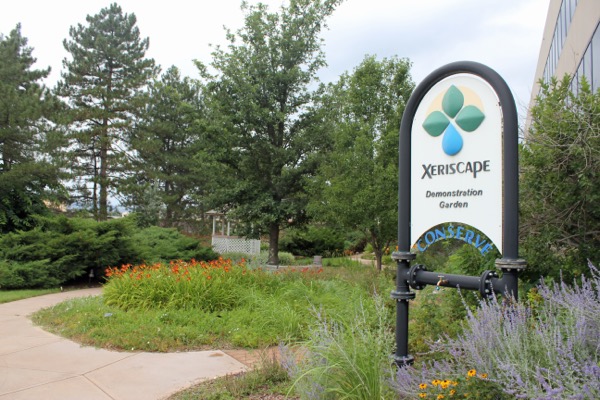
Spring planting — mild temperatures, spring moisture, and a full growing season ahead for establishment.
What to Avoid: Summer and Deep Winter
Summer Planting (July – August): Avoid for Plants
Denver's summer heat — 90°F+ days, low humidity, intense UV — is the hardest time to establish new plants. Newly installed plants in July have no established root system to draw moisture from and require daily or near-daily irrigation to survive. Water use spikes, stress is high, and failure rates are elevated. Experienced crews in Denver minimize summer planting unless the client has a robust automated irrigation system in place from day one.
Summer is appropriate for hardscape work (flagstone, DG, drainage) and irrigation installation — just push the planting to fall.
Deep Winter (November – March): No Planting
Frozen ground makes planting impossible. The exception: sheet mulching and solarization preparation can happen any time, including laying cardboard in November to smother existing lawn over winter for a spring project.
Month-by-Month Denver Xeriscape Calendar
Month
What to Do
January–February
Plan and design. Get contractor estimates. Book early for spring installation. Sheet mulching in progress if started in fall.
March
Spring cutback on existing xeriscape plants. Irrigation system inspection and startup after freeze risk passes. Apply pre-emergent herbicide once soil reaches 50°F.
April
Lawn removal begins (after last significant freeze risk). Hardscape and irrigation installation. Pre-emergent application for weed suppression.
May–June
Peak spring planting window. Native grasses, perennials, shrubs. Last frost is typically mid-May. Best time for full project installation.
July–August
Avoid planting if possible. Focus on irrigation system work, hardscape. Established plants need deep watering every 10–14 days.
September–October
Fall planting window. Best for shrubs and trees. Complete by mid-October before hard freeze. Bulb planting for spring color.
November
Irrigation winterization (before first hard freeze). Leaf removal from rock beds. Sheet mulching can begin for next spring's project.
December
Plan for next year. Finalize designs. Book contractors for spring — popular crews fill up fast.
Timing and Denver Water Rebates
If you're planning to apply for Denver Water's turf replacement rebate, timing affects funding availability. The rebate program funds are released on a first-come, first-served basis each year — typically in late winter or early spring. The 2026 program ran out of funding by March. The 2027 program will reopen in January 2027.
To be positioned for rebates: design your project in winter, apply as soon as the program opens, and schedule installation for spring once your application is approved.
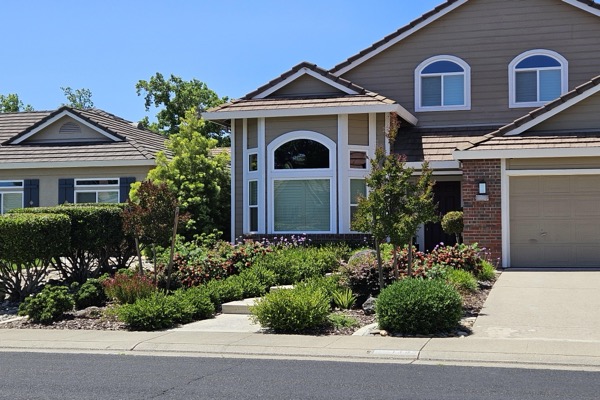 native plants being planted in September" style="max-width:100%;height:auto;display:block;margin:16px auto;" />
Fall installation — cooler temperatures, lower irrigation needs, and a root system established before spring.
How Long Does a Xeriscape Project Take?
For a typical Denver front yard (800–1,500 sq ft), a professional crew can complete the full project — removal, soil prep, drip irrigation, planting, and mulching — in 3–5 days of active work. Total calendar time from contract to completion is usually 2–6 weeks, accounting for material lead times and scheduling.
Establishment timeline after planting:
- Perennials: First season performance is moderate; year two is when they really take off
- Native shrubs: "First year sleep, second year creep, third year leap" — an old rule that still holds. Expect modest growth year one, visible growth year two, mature character by year three.
- Native grasses: Establish faster than shrubs — can look mature by end of first full growing season
For a complete breakdown of the installation process, see our xeriscape design guide and our seasonal maintenance guide. If you're thinking through the investment side, see our complete xeriscape cost guide.
Ready to Start Planning Your Xeriscape?
Timing matters. Xeris schedules spring and fall xeriscape installations across Denver — request an estimate now and we'll map out the right timeline for your yard.