

Best Grass Alternatives for Denver Yards
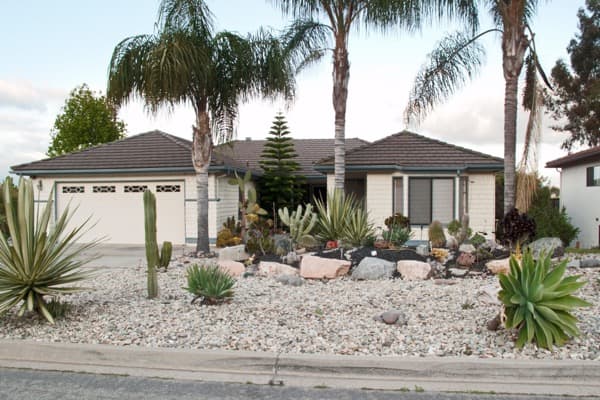
Kentucky bluegrass became the default Front Range lawn through a combination of marketing, infrastructure, and habit — not because it makes sense in Denver. It needs twice the water the city receives naturally, requires constant input to look acceptable, and turns brown the moment restrictions kick in. There are better options.
Here are the best grass alternatives for Denver yards — organized by how much they look like a traditional lawn and how much work they actually require.
Native Grass Alternatives: Still Grass, Much Less Work
These options look similar to a conventional lawn from a distance but are native to the Colorado shortgrass prairie — meaning they're designed by nature to handle Denver's climate without intervention.
Buffalo Grass (Buchloe dactyloides)
The most popular low-water grass replacement on the Front Range. Buffalo grass is native to the Great Plains, goes dormant in winter (turns tan, green again in spring), tolerates mowing or can be left unmowed at 4–6 inches for a natural prairie look. Extremely drought tolerant once established — can survive on Denver's natural rainfall alone after year two.
- Water use: 25–30% of bluegrass
- Mowing: Optional — once or twice per season if desired, or leave natural
- Foot traffic: Moderate — handles light use, not a soccer field
- Establishment: Plugs or sod in spring or early summer; slow first year, fills in by year two
- Best for: Homeowners who want a green lawn appearance with minimal water
Blue Grama Grass (Bouteloua gracilis)
Colorado's state grass and arguably the most drought-tolerant lawn alternative available. Blue grama grows 12–18 inches when unmowed, with distinctive curved seed heads that look like eyebrows or combs in late summer — a feature, not a bug. Can be mowed to maintain a shorter turf-like appearance.
- Water use: 20–25% of bluegrass
- Mowing: Once per year in spring if desired, or leave natural for striking seed heads
- Foot traffic: Good — tougher than it looks
- Best for: Low-maintenance naturalist yards, any size lot
Blue Grama / Buffalo Grass Seed Mix
A native seed blend combining both species creates a resilient, self-maintaining shortgrass prairie that handles Denver's climate without irrigation after establishment. Takes 1–2 full seasons to fully establish from seed but is the most cost-effective approach for large areas.
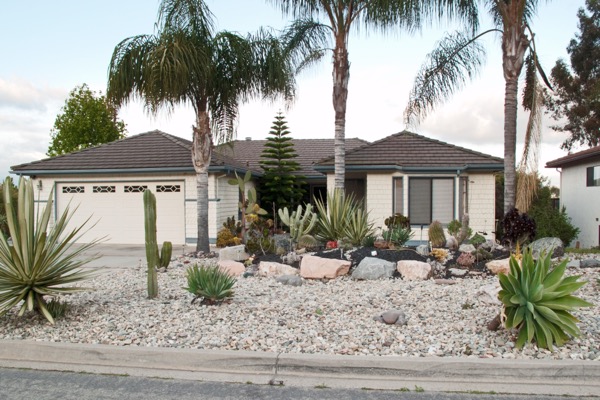
Buffalo grass and blue grama — native alternatives that handle Denver's climate on a fraction of the water.
Low-Growing Groundcovers: Green Without the Grass
These options don't look like conventional turf but provide a low-growing green or textured surface that reads as "covered" rather than gravel or bare earth.
Creeping Thyme (Thymus serpyllum)
Low-growing (1–3 inches), fragrant, and produces small pink-purple flowers in late spring. Handles light foot traffic well. Spreads slowly to fill in gaps. One of the best options for front yards where appearance matters — looks intentional and designed, not weedy.
- Water use: 30–40% of bluegrass once established
- Mowing: None
- Foot traffic: Light to moderate — not a sports field but handles walking paths
- Best for: Front yards, areas between stepping stones, small spaces
Clover (Trifolium repens)
White or micro-clover was removed from lawn seed mixes in the 1950s when broadleaf herbicides became common — ironically, since clover was a standard lawn component for generations. It fixes nitrogen (fertilizes itself and surrounding plants), attracts pollinators, stays green through summer droughts, and handles moderate foot traffic. A clover lawn looks soft and lush even when Kentucky bluegrass is brown.
- Water use: 40–50% of bluegrass
- Mowing: Optional — mow to keep uniform, or leave to flower
- Foot traffic: Good
- Best for: Mixed lawns, backyards with pets (dogs can graze clover without harm)
Sedge (Carex species)
Native sedges form dense, low mats that look similar to fine-bladed grass. Blue sedge and Berkeley sedge work in Denver's climate. Excellent for partly shaded areas where lawn grasses fail. Does not handle heavy foot traffic.
- Water use: 40–50% of bluegrass
- Mowing: None required — stays naturally short
- Best for: Shaded spots, areas under trees, north-facing yards
Non-Plant Alternatives
For areas where plant coverage isn't the goal, these surfaces replace lawn function without requiring irrigation.
Decomposed Granite (DG)
Finely crushed granite that compacts into a stable, permeable surface. The workhorse of Denver xeriscape — affordable, natural-looking, weed-suppressing at depth, and comfortable for foot traffic and dogs. Works as a full yard surface or as the ground layer beneath planted beds. See our complete DG guide for installation and cost details.
Flagstone or Permeable Pavers
For high-traffic zones (front entry, backyard entertaining area), flagstone or permeable pavers provide a durable surface that handles real use and keeps water infiltrating rather than running off. Higher upfront cost but essentially zero ongoing maintenance.
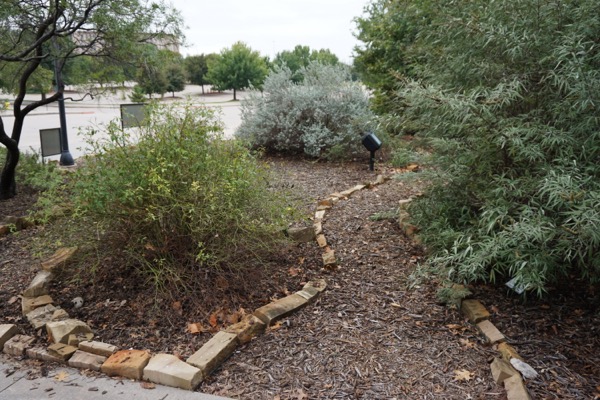
Creeping thyme and native groundcovers — grass alternatives that look designed, not abandoned.
Comparison: Grass Alternatives at a Glance
Option
Water vs. Bluegrass
Mowing
Foot Traffic
Buffalo grass
25–30%
Optional
Moderate
Blue grama grass
20–25%
Optional
Good
Creeping thyme
30–40%
None
Light
Clover
40–50%
Optional
Good
Sedge
40–50%
None
Light
Decomposed granite
0%
None
Good
For a complete planting guide suited to Denver's specific soil and climate conditions, see our native plants for Denver xeriscape guide.
Replace Your Lawn With Something Better
Xeris Landscaping installs grass alternatives and full xeriscape conversions throughout the Denver metro. We'll help you choose the right option for your lot, your use, and your HOA requirements — and handle the removal, installation, and irrigation in a single project.
Get a free lawn replacement estimate →
Ready to Replace Your Grass With Something That Actually Works?
Xeris installs grass alternatives across Denver — decomposed granite, artificial turf, native ground cover, and mixed xeriscape designs. Request an estimate and we'll tell you what makes sense for your yard.
Xeris does this work. See our Lawn & Turf Removal service in Denver — what's included, what it costs, and how to get a free walkthrough of your property.