

Lawn Removal in Denver: Cost, Methods, and What Comes Next
You've made the decision. The lawn is going. Now you need to know exactly how to remove it — what it costs, how long it takes, whether you can do it yourself, and what replaces it when it's gone.
Lawn removal in Denver is one of the fastest-growing home improvement projects on the Front Range, and for good reason: between Stage 1 drought conditions, rising water bills, and the labor of weekly mowing, more homeowners are deciding the lawn isn't worth it. This guide covers everything you need to know before the first shovel hits the ground.
Why Denver Homeowners Are Removing Their Lawns
Denver gets about 15 inches of precipitation per year. Kentucky bluegrass — the standard Front Range lawn — needs 30–35 inches. That gap is made up entirely by your irrigation system, and it shows up on your water bill every summer.
Beyond water, a traditional lawn costs the average Denver homeowner $1,200–$2,500 per year in mowing, fertilizing, aeration, overseeding, and pest control. That's before a single drought restriction kicks in and your carefully tended grass goes brown anyway.
The math is compelling. But the bigger question is: what comes next?
What Replaces the Lawn?
This is the question people skip over in their rush to get rid of the grass — and it's the most important one. Lawn removal is only the first step. What you put in its place determines whether your yard looks great in five years or becomes a weed and gravel mess.
The most common replacement options for Denver yards:
- Xeriscape with native plants — the highest-value replacement. Native shrubs, perennials, ornamental grasses, and groundcovers arranged around drip irrigation and mulch. Looks great, qualifies for Denver Water rebates, uses 50–75% less water. See our native plant guide for what grows best here.
- Rock and gravel landscaping — decorative rock mulch, decomposed granite, or river rock as the primary surface. Often combined with native plants for a clean, modern look.
- Low-water turf alternatives — buffalo grass, blue grama, or native grass seed mixes that need a fraction of the water of bluegrass. Still grass-like but dramatically lower maintenance.
- Hardscape — flagstone patios, permeable pavers, or decomposed granite paths. Works well for smaller areas or as part of a mixed design.
We strongly recommend deciding on your replacement design before you remove the lawn. The removal process and what comes after are connected — and changing your mind mid-project is expensive.
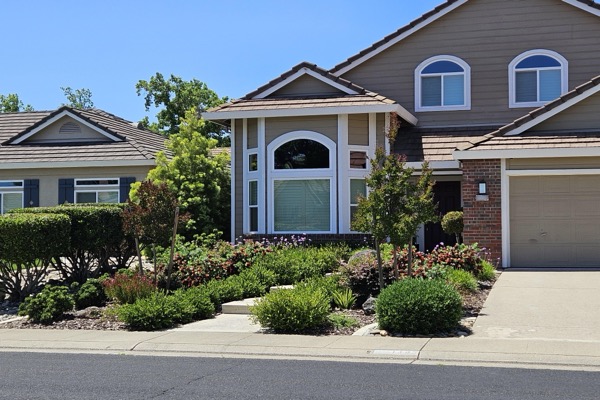
Traditional bluegrass turf in a Denver front yard — water-hungry and costly to maintain year-round.
Lawn Removal Methods: Which Is Right for You?
There are four main ways to remove a lawn. Each has different cost, speed, and labor tradeoffs.
1. Sod Cutter (Mechanical Removal)
A gas-powered sod cutter slices beneath the root zone and rolls the turf up in strips. This is the fastest method — a 1,000 sq ft lawn can be stripped in a few hours — and it removes the grass and most of the root system cleanly.
Pros: Fast, thorough, clean result. Cons: Rental cost ($150–$250/day), heavy equipment, sod disposal required (sod is heavy — plan for a dumpster or haul).
This is the method professional crews use for most Denver lawn removal projects.
2. Sheet Mulching (Lasagna Method)
Layer cardboard over the existing lawn, then cover with 6–8 inches of wood chips or mulch. The cardboard blocks light and smothers the grass over 3–6 months; the organic material composts in place and improves the soil beneath.
Pros: Low cost, no disposal, improves soil. Cons: Slow — you need to plan 3–6 months ahead. Works best when you start in fall for a spring planting.
3. Solarization
Cover the lawn with clear plastic sheeting during the hottest summer months. The sun heats the soil underneath to temperatures that kill the grass and most weed seeds. Takes 4–8 weeks of full sun.
Pros: Low cost, kills weed seeds in the top layer of soil. Cons: Only works in summer, requires holding off planting for weeks, clear plastic can look unsightly.
4. Herbicide Treatment
Non-selective herbicide (typically glyphosate) kills the grass in 1–2 weeks. The dead material is then either raked up or tilled in.
Pros: Fast, low labor, effective on stubborn grasses. Cons: Requires waiting period before planting, some homeowners prefer to avoid chemical applications, may require 2 applications for complete kill.
For most Denver homeowners doing a full replacement, we recommend the sod cutter method for speed and cleanliness, or sheet mulching when timing allows.
Lawn Removal Cost in Denver
Professional lawn removal in Denver typically runs $1–$2 per square foot, depending on the method and site conditions. For a 1,000 sq ft front yard, expect $1,000–$2,000 for removal alone before the replacement installation begins.
Method
DIY Cost
Pro Cost (per sq ft)
Sod cutter
$150–$300 (rental)
$1.00–$1.75
Sheet mulching
$0.10–$0.30
$0.50–$1.00
Solarization
$0.05–$0.15
$0.25–$0.75
Herbicide + till
$0.10–$0.25
$0.50–$1.25
For full xeriscape installation (removal + new design + plants + drip irrigation + mulch), see our complete Denver xeriscape cost guide.
One cost offset worth knowing: Denver Water offers rebates for turf removal when replaced with qualifying low-water landscaping. The 2026 program ran out of funding by March, but the 2027 program will reopen. See our rebates guide for how to get on the list.
DIY vs. Hiring a Professional
Lawn removal is one of the more DIY-friendly landscaping tasks — especially sheet mulching and solarization, which require minimal equipment. Mechanical sod cutting is manageable for smaller areas (under 500 sq ft) but physically demanding and logistically complex for anything larger.
When to DIY
- Your yard is under 500 sq ft
- You're not on a tight timeline
- You're comfortable with equipment rental and sod disposal
- You're sheet mulching in fall for a spring project
When to Hire a Pro
- Your yard is larger than 500–1,000 sq ft
- You're removing lawn and installing the replacement in the same project
- You have slopes, tight access, or irrigation systems to work around
- You're applying for a Denver Water rebate and need a qualifying installation plan
Professional crews have the equipment, disposal logistics, and experience to remove a lawn cleanly without damaging irrigation lines, tree roots, or grade. For most projects over 500 sq ft, the time and labor savings outweigh the cost difference.
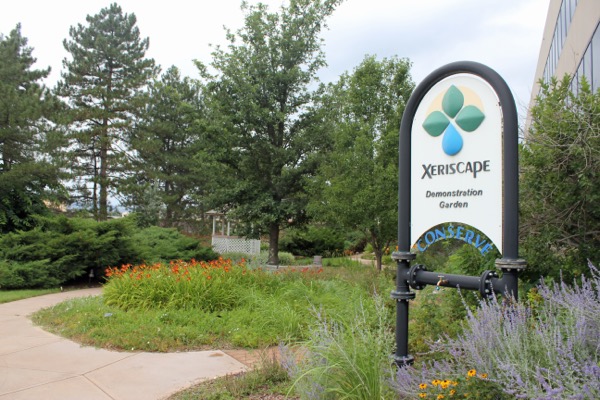
A completed Denver lawn conversion — turf out, native plants and rock mulch in.
Do You Need a Permit to Remove Your Lawn in Denver?
For standard residential lawn removal and replacement landscaping, no permit is required in Denver. However, a few situations may trigger permit requirements:
- Significant grade changes — if you're adding retaining walls over 4 feet or re-grading with major soil movement, a grading permit may apply
- Hardscape additions — large concrete pours or structural elements may need a permit
- HOA restrictions — many Denver metro HOAs have landscaping guidelines. Check yours before starting. Some require prior approval for lawn removal or restrict certain materials (e.g., colored rock, minimum plant coverage requirements)
If you're participating in the Denver Water rebate program, your project plan is reviewed by Resource Central as part of the application — but that's a program requirement, not a city permit.
Timeline: How Long Does Lawn Removal Take?
For mechanical removal (sod cutter method), a professional crew can strip and haul a typical Denver front yard (800–1,500 sq ft) in a single day. The full project timeline from removal to finished replacement installation typically runs:
- Design and planning: 1–3 weeks
- Removal: 1 day (mechanical) to 3–6 months (sheet mulching)
- Soil amendment and prep: 1–3 days
- Drip irrigation installation: 1–2 days
- Planting and mulching: 1–3 days
- Total project duration: 2–6 weeks from contract to completion (mechanical method)
Best timing in Denver: late April through June for spring installation, or September through mid-October for fall installation. Avoid planting in July–August heat unless you have robust irrigation in place.
For a full seasonal breakdown, see our xeriscape maintenance and seasonal care guide.
Frequently Asked Questions
Can I remove my lawn in winter?
Sheet mulching can be started any time — laying cardboard in October or November to smother the lawn over winter for spring planting is actually ideal. Mechanical removal can be done in late fall if the ground isn't frozen, but spring or fall are the best windows.
What do I do with the removed sod?
Several options: haul it to a green waste facility (most Denver metro transfer stations accept sod), rent a dumpster, or contact a mulching company — some will take sod for compost. Sod is heavy; a typical 1,000 sq ft lawn generates several tons of material.
Will removing my lawn hurt my property value?
No — and it often helps. A professionally designed xeriscape is a selling point in the Denver market, particularly as water costs rise and buyers increasingly value low-maintenance yards. A well-executed conversion enhances curb appeal and reduces ongoing costs that savvy buyers account for.
How long before I can plant after lawn removal?
After mechanical removal: immediately. After herbicide treatment: follow the product label (typically 1–2 weeks). After solarization: 1–2 weeks to allow soil to cool.
Do I need to amend the soil after removing my lawn?
Almost always yes in Denver. Clay-heavy Front Range soils benefit from organic amendment (compost) before planting, particularly for perennials and native shrubs. Your landscaper will assess the soil as part of the project plan.
Ready to Remove Your Lawn?
Xeris Landscaping handles the full process — design, removal, installation, and drip irrigation — as a single project. We know Denver's soils, climate, and rebate programs, and we've helped dozens of homeowners make the transition from water-hungry turf to low-water landscapes that look better and cost less.
Get a free lawn removal and replacement estimate →
Or explore what a finished conversion looks like in our project portfolio.
Ready to Remove Your Lawn?
Xeris handles lawn removal and full xeriscape installation across Denver. Request an estimate — we'll tell you exactly what comes out, what goes in, and what it costs.
Xeris does this work. See our Lawn & Turf Removal service in Denver — what's included, what it costs, and how to get a free walkthrough of your property.